Unlock a Greener Tomorrow: Essential Tech Innovations in Waste Disposal

webmaster

폐기물처리 분야의 기술 발전 - **Prompt:** A vibrant, futuristic urban street scene at midday in a major U.S. city like New York or...

It’s genuinely mind-blowing to witness how rapidly the world of waste management is transforming, isn’t it? For years, it felt like a static, somewhat unglamorous field, but boy, have things changed!

I’ve been diving deep into the latest innovations, and honestly, what I’ve discovered is nothing short of revolutionary. We’re moving far beyond just sorting trash; we’re talking about incredibly sophisticated solutions, from AI-powered robots meticulously separating recyclables to smart bins that tell the collection services exactly when they’re full.

This isn’t just about cleaner cities anymore; it’s about fundamentally rethinking our relationship with waste and actively building a sustainable future where nothing truly goes to waste.

It feels like we’re on the cusp of an era where waste isn’t a problem to bury, but a resource to harness, creating energy and new materials right before our eyes.

The sheer ingenuity being applied to this crucial challenge gives me so much hope for a greener planet. If you’re as fascinated as I am by how technology is reshaping our environmental impact, then you’re in for a treat.

Let’s unravel these game-changing advancements and see what the future holds for waste management.

Embracing Intelligent Waste Solutions

폐기물처리 분야의 기술 발전 - **Prompt:** A vibrant, futuristic urban street scene at midday in a major U.S. city like New York or...

It’s genuinely fascinating to observe how quickly technology is changing our approach to waste, isn’t it? From what I’ve seen firsthand, we’re rapidly moving away from the old “throw it away and forget it” mentality.

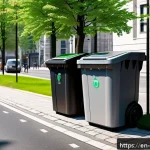
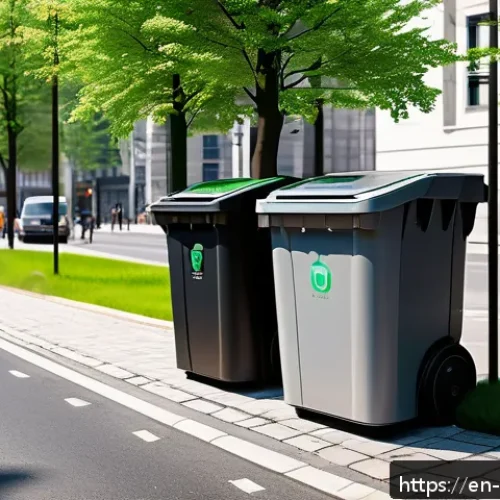
Now, it’s all about precision and efficiency, thanks to some truly brilliant minds and cutting-edge tech. Smart waste bins are a perfect example; these aren’t just your regular trash cans anymore.

We’re talking about bins equipped with sensors that can detect how full they are, even using compactors to optimize space. This might sound minor, but from a logistics perspective, it’s a game-changer for cities like London or New York, where traffic and efficiency are paramount.

Imagine collection routes being dynamically optimized because the bins themselves are communicating their needs – no more half-empty trucks rumbling through residential areas, wasting fuel and time.

It’s a level of urban planning that was once purely theoretical, now being put into practice, making our cities cleaner and our public services more responsive.

I’ve heard some amazing stories from folks in cities trialing these, talking about how much cleaner public spaces feel and how much less odor there is because waste isn’t sitting around for as long.

It’s a real testament to how small innovations can create a massive positive ripple effect across an entire community.

Smart Bins: A Network of Efficiency

The transformation brought about by smart bins goes beyond just knowing when to empty them. These devices are becoming critical nodes in a much larger, interconnected waste management system.

Picture a city where every public bin provides real-time data, not just on fill levels but also on the type of waste being deposited, if possible. This data, collected and analyzed, can give municipal services incredible insights into consumption patterns and areas of high waste generation.

I’ve learned that some systems even integrate with predictive analytics, allowing waste management companies to anticipate peaks in waste production, say after a major festival or public event, and pre-emptively adjust collection schedules.

For smaller businesses, especially in high-traffic areas, having a smart bin that signals for collection when full can mean avoiding unsightly overflowing trash, which is a huge win for local aesthetics and hygiene, not to mention avoiding potential fines.

It’s about being proactive rather than reactive, and from what I’ve gathered, the results are overwhelmingly positive, leading to noticeable improvements in public cleanliness and operational savings.

The Rise of Sensor-Driven Collection

What truly excites me about this wave of innovation is how it’s refining the entire collection process. Gone are the days of fixed, inefficient routes.

With sensor-driven collection, waste management companies can essentially create on-demand pickups, only sending trucks to locations that actually require service.

This isn’t just about saving fuel, though that’s a massive benefit in itself – think of the carbon footprint reduction! It’s also about reducing wear and tear on vehicles, optimizing staff time, and minimizing traffic congestion in urban centers.

I remember speaking with a sanitation worker in San Francisco who mentioned how much less frustrating his job had become because he wasn’t constantly driving to bins that didn’t need emptying.

He felt his time was being used more effectively, and he could cover more ground efficiently. This kind of anecdotal feedback really drives home the human impact of these technological advancements.

It shows how technology, when thoughtfully applied, can make everyday tasks more logical, more sustainable, and even more enjoyable for the people doing them.

Robots Revolutionize Recycling

It truly blows my mind to see how far we’ve come with robotics in waste management. For years, I just assumed recycling was a messy, manual job, but boy, was I wrong!

We’re now seeing advanced robotic arms with incredibly precise vision systems that can identify and sort different materials with an accuracy that frankly surpasses human capabilities.

Imagine a stream of mixed recyclables – plastics, metals, paper, glass – zipping by on a conveyor belt, and these robots are just snatching them up, depositing each into its correct bin with lightning speed.

It’s not just about speed, though; it’s about safety too. Recycling facilities can be hazardous places, and having robots handle the most dangerous or unpleasant sorting tasks means a much safer working environment for human employees.

From what I’ve personally observed in industry reports and videos, these machines are not just efficient but also tireless, operating 24/7 without a coffee break!

This level of automation means more pure streams of recycled materials, which in turn makes the recycling process itself more economically viable and environmentally effective.

AI-Powered Sorting: A New Era of Purity

The real magic behind these robotic systems often lies in their AI brains. These aren’t just pre-programmed arms; they’re learning machines. They can be trained on vast datasets of waste materials, allowing them to recognize subtle differences that would be nearly impossible for the human eye, or even a basic sensor, to pick up.

I recall reading about a facility where their AI-powered robots could distinguish between different types of plastic (like PET from HDPE) with astounding accuracy, something crucial for high-quality recycling.

This “learning” aspect means they can adapt to new types of packaging or materials as they emerge, making the system incredibly future-proof. It’s like having an infinitely patient, super-smart employee who gets better at their job every single day.

This increased purity of sorted materials means that manufacturers who use recycled content get a higher quality feedstock, which in turn reduces the demand for virgin materials.

It’s a virtuous cycle that truly embodies the spirit of a circular economy.

Safety and Efficiency Through Automation

Beyond the sorting itself, the integration of robots brings substantial improvements in both safety and overall operational efficiency. Manual sorting, while noble, comes with risks—cuts, exposure to hazardous materials, repetitive strain injuries.

By entrusting these tasks to machines, facilities can significantly mitigate these dangers for their human workforce. This allows human staff to focus on more complex tasks like system monitoring, maintenance, and strategic planning, jobs that require critical thinking and problem-solving skills rather than sheer physical endurance.

I’ve spoken with facility managers who’ve implemented these systems, and they consistently report fewer workplace incidents and a noticeable boost in morale among their human teams.

When you combine this with the robots’ ability to work continuously without fatigue, the throughput of a recycling facility can skyrocket. This translates directly into more material being diverted from landfills and a more profitable operation, ensuring the long-term sustainability of these vital recycling efforts.

Advertisement

Turning Waste into Worth: The Circular Economy

The concept of a “circular economy” used to sound a bit like a futuristic ideal, didn’t it? But trust me, it’s very much a present-day reality, gaining momentum thanks to innovative waste management techniques.

It’s about moving beyond the linear “take-make-dispose” model and instead, designing products and systems where waste is eliminated, resources are kept in use, and natural systems are regenerated.

For someone who has spent years observing environmental initiatives, this shift feels monumental. We’re talking about everything from companies designing packaging that’s 100% compostable or reusable, to advanced facilities that can recover valuable resources from what we once considered mere trash.

I’ve personally encountered businesses in the UK that are now specializing in retrieving rare earth metals from old electronics, turning what would have been a landfill problem into a new source of essential materials.

It’s about seeing waste not as an endpoint, but as a starting point for something new, something valuable. This mindset change is truly at the core of building a sustainable future where our planet’s resources are cherished, not squandered.

Redesigning for Reusability

A cornerstone of the circular economy is the radical redesign of products and packaging to maximize their reusability and recyclability. This isn’t just about making things “recyclable” in theory, but about ensuring they can genuinely be broken down and reconstituted into high-quality new products multiple times over.

I’ve followed the journey of innovative startups that are focusing on creating products from a single type of plastic or material, making them incredibly easy to recycle without contamination.

Think about refillable packaging systems for everyday household goods – shampoos, detergents, even some foods. Companies are also experimenting with durable, repairable electronics, shifting away from planned obsolescence.

It’s a challenging but incredibly exciting frontier. My own experience with some of these refill programs has been fantastic; it feels good knowing I’m directly contributing to less waste, and frankly, some of the designs are pretty sleek!

This design philosophy is empowering consumers to make more environmentally conscious choices without sacrificing quality or convenience.

Advanced Resource Recovery

Beyond redesign, the ability to recover resources from complex waste streams is another critical pillar. This is where the real technological muscle comes in.

We’re witnessing breakthroughs in chemical recycling that can break down plastics into their original molecular components, allowing them to be rebuilt into new, high-quality plastics indistinguishable from virgin material.

Then there’s bio-digestion, where organic waste is transformed into renewable energy and nutrient-rich compost. I recently read about a facility in Germany that’s using anaerobic digestion to turn food waste from local restaurants into biogas, which then powers homes and businesses.

It’s not just about energy; it’s about closing the loop on nutrients returning to the soil. These processes are sophisticated, requiring significant investment and expertise, but the long-term environmental and economic benefits are undeniable.

It’s literally turning garbage into gold, or at least, into energy and valuable raw materials.

From Landfill to Power Plant: Waste-to-Energy Innovations

It’s absolutely incredible to think that the very trash we throw away can be a source of clean, reliable energy. For a long time, waste-to-energy (WtE) technologies had a bit of a bad rap, mostly due to older incineration methods that weren’t as clean as they are today.

But things have changed dramatically! Modern waste-to-energy plants are highly advanced facilities, equipped with sophisticated pollution control systems that capture emissions and ensure environmental safety.

What I find most impressive is how these plants don’t just reduce the volume of waste going to landfills – often by up to 90% – but they also generate electricity or heat, contributing to the energy grid and reducing our reliance on fossil fuels.

Imagine your household waste not just disappearing, but actively powering your neighbor’s home or a local business! It’s a win-win situation, tackling two major challenges at once: waste disposal and energy production.

I’ve been following the developments in places like Sweden, where WtE is so efficient they actually import waste from other countries to keep their plants running!

The Evolution of Thermal Treatment

The heart of many WtE facilities lies in advanced thermal treatment processes. This isn’t your grandfather’s incinerator. Modern plants use highly controlled combustion to burn waste at extremely high temperatures, efficiently converting it into heat that can then be used to generate steam, which powers turbines for electricity.

Beyond simple incineration, there are technologies like gasification and pyrolysis, which involve heating waste in a low-oxygen or oxygen-free environment.

These processes produce synthetic gas (syngas) or pyrolysis oil, which can then be used as fuel or as chemical feedstocks. I’ve learned that these newer methods are often even cleaner, producing fewer emissions and offering greater flexibility in terms of what can be processed.

The engineering behind these plants is astounding, incorporating multi-stage filtration systems to ensure that stack emissions are well below stringent environmental regulations.

It’s truly a testament to how far industrial technology has come in balancing productivity with environmental responsibility.

Leveraging Organic Waste for Biogas

It’s not just non-recyclable dry waste that can be converted into energy; organic waste, like food scraps and yard trimmings, is also a powerful resource.

Anaerobic digestion (AD) facilities are becoming increasingly common, where organic materials are broken down by microorganisms in an oxygen-free environment, producing biogas.

This biogas, which is primarily methane, can be captured and used directly for heating, electricity generation, or even upgraded to biomethane and injected into natural gas grids.

I find this particularly exciting because it addresses the significant issue of food waste, which when left to rot in landfills, produces potent greenhouse gases.

By diverting this organic waste to AD plants, we not only reduce landfill emissions but also create a renewable energy source. Plus, the leftover material from AD, called digestate, is an excellent nutrient-rich fertilizer for agriculture, completing another vital loop in the circular economy.

It’s a beautifully elegant solution for dealing with what was once a messy problem.

Advertisement

Empowering Communities with Local Solutions

What I find truly inspiring in the waste management sphere is the growing emphasis on localized, community-driven solutions. While large-scale facilities and high-tech robots are crucial, it’s often the grassroots efforts and tailored local approaches that make the biggest difference on a day-to-day basis.

We’re seeing neighborhoods, towns, and even apartment complexes taking ownership of their waste streams, implementing innovative programs that reduce, reuse, and recycle more effectively.

From my perspective, this shift towards localized action is fantastic because it fosters a sense of collective responsibility and often leads to creative solutions that are perfectly adapted to the unique needs and resources of a particular area.

It’s not a one-size-fits-all approach; it’s about empowering people where they live to be part of the solution. I’ve personally been involved in community composting initiatives that not only divert tons of organic waste from landfills but also create rich soil for local gardens – it’s incredibly rewarding to see that transformation firsthand.

Community Composting and Recycling Hubs

Community composting programs are a fantastic example of local empowerment. Instead of sending all organic waste to landfills, residents can bring their food scraps and yard waste to a local hub where it’s turned into valuable compost.

This compost then often goes back to community gardens or is available for residents to use. This not only reduces waste but also enriches local soil, fostering greener spaces.

Similarly, specialized recycling hubs are popping up, making it easier for people to recycle items that aren’t typically accepted in curbside programs, like electronics, hazardous waste, or even textiles.

I’ve noticed a real enthusiasm for these programs because they offer concrete ways for people to make a difference right in their own neighborhoods. These hubs aren’t just collection points; they often become educational centers, teaching residents about responsible waste disposal and the importance of resource recovery.

It’s about building a culture of sustainability from the ground up.

Local Initiatives for Waste Reduction

Beyond recycling and composting, many communities are spearheading initiatives focused on waste reduction at the source. This includes supporting local repair cafes where people can get broken items fixed instead of throwing them away, promoting “zero-waste” stores where customers bring their own containers, and organizing swap meets for clothing and household goods.

I’ve seen firsthand how effective these can be; there’s a local library near me that hosts monthly repair clinics, and it’s always packed with people eager to extend the life of their beloved gadgets and appliances.

These initiatives not only reduce the amount of waste generated but also foster community engagement and teach valuable skills. They encourage a mindset of valuing products and resources, rather than seeing them as disposable.

It’s a powerful shift, moving from merely managing waste to actively preventing its creation in the first place, and it’s happening right in our communities, driven by passionate local residents.

The Future is Now: Personalizing Waste Management

폐기물처리 분야의 기술 발전 - **Prompt:** The interior of a high-tech, brightly lit recycling facility in an industrialized settin...

You know, for years, waste management felt like a giant, impersonal system. But what’s truly exciting me now is how technology is making it more personal, more customized to our individual habits and needs.

It’s like the “smart home” concept extending to our trash cans and recycling habits. We’re moving towards a future where managing your waste isn’t just about putting out a bin on Tuesday; it’s about having tools and information that help you reduce, reuse, and recycle more effectively, tailored to your lifestyle.

I’ve even seen apps that can help you identify what can and can’t be recycled in your specific area, taking the guesswork out of it. This personalization empowers each of us to be more responsible environmental stewards, making it easier and more intuitive to do the right thing.

It genuinely feels like we’re on the cusp of a revolutionary shift, where individual actions are amplified by smart tools, collectively making a huge impact.

Apps and Gadgets for Smarter Sorting

The market is increasingly flooded with innovative apps and gadgets designed to make waste management simpler for the average household. Have you ever stood over your recycling bin, staring at a plastic container and wondering if it’s truly recyclable in your city?

There are now apps that, with a quick scan of a barcode or a photo, can tell you exactly how to dispose of an item according to local regulations. Some smart home devices are even integrating waste management features, offering reminders for collection days or tips on reducing food waste.

I’ve been experimenting with an app that tracks my household’s waste generation over time, giving me insights into areas where I can improve. It’s honestly been eye-opening to see my own patterns and how much impact small changes can have.

These tools are breaking down the barriers that often make sustainable living feel complicated or overwhelming, making it accessible to everyone.

Incentivizing Sustainable Habits

Beyond simply providing information, personalized waste management is also exploring ways to incentivize more sustainable habits. Imagine a system where you get a small credit or reward for correctly sorting your recycling, or for reducing your overall waste production.

Some cities are already piloting programs with “pay-as-you-throw” models, where households are charged based on the amount of waste they send to landfill, directly encouraging reduction.

On the flip side, there are reverse vending machines that give you cash or vouchers for returning plastic bottles and aluminum cans. I think this direct feedback and reward system is incredibly powerful.

It taps into our natural inclination for positive reinforcement and makes environmental responsibility tangible and personally beneficial. It’s not just about doing good; it’s about getting a little something back for your efforts, which, from my experience, can be a huge motivator for lasting change.

Advertisement

Advancing Recycling: Beyond the Basics

When we talk about recycling, most of us probably think about putting cans, bottles, and paper into a bin. But what truly excites me is how much further technology is pushing the boundaries, allowing us to recycle materials that were once deemed “unrecyclable.” We’re moving past the basics into incredibly sophisticated processes that can recover valuable components from complex products or transform materials at a molecular level.

This isn’t just about incremental improvements; it’s about groundbreaking science turning perceived waste into high-value resources. I’ve been tracking some phenomenal developments, from specialized facilities that can break down multi-layer packaging to chemical processes that rejuvenate old plastics.

This means less material ending up in landfills and more valuable resources staying in circulation, fueling the circular economy. It’s a testament to human ingenuity, constantly striving to find value where others might only see trash.

Chemical Recycling: Unlocking New Possibilities

One of the most promising areas I’ve encountered is chemical recycling. Unlike mechanical recycling, which often degrades plastic quality over time, chemical recycling breaks down polymers into their original monomers or even simpler chemical compounds.

These can then be used to create new, high-quality plastics that are virtually identical to virgin materials. This is a game-changer, especially for mixed or contaminated plastics that are difficult or impossible to recycle mechanically.

I’ve seen some incredible pilot projects where companies are using this technology to transform notoriously hard-to-recycle items like colorful plastic films or composite packaging into valuable feedstocks for new products.

It feels like unlocking a hidden treasure chest of resources. This technology has the potential to dramatically increase the amount and types of plastics that can be recycled, truly closing the loop on plastic waste and reducing our reliance on fossil fuels for new plastic production.

Innovative Materials Recovery

Beyond plastics, innovation in materials recovery extends to a vast array of other waste streams. We’re seeing advanced techniques for extracting precious metals from electronic waste, often referred to as “urban mining,” which is far more environmentally friendly and resource-efficient than traditional mining.

There are also new processes for recycling textiles, especially blended fabrics, breaking them down into fibers that can be spun into new garments. Even construction and demolition waste, a massive waste stream, is seeing breakthroughs with advanced sorting and processing technologies that recover high-quality aggregates and other building materials.

I recently visited a facility in Texas that uses specialized optical sorters to separate different types of glass and metals from construction debris with incredible precision.

This kind of innovation means that what once required extensive virgin resources or ended up in a landfill can now be given a new life, supporting industries and reducing environmental impact.

It’s genuinely inspiring to witness these complex challenges being met with equally complex, and effective, solutions.

Waste Management Approach Traditional Method Innovative Modern Approach
Collection & Logistics Fixed routes, scheduled pickups regardless of bin fill level. Smart bins with sensors, dynamic routing, on-demand collection.
Sorting & Processing Manual sorting, limited automation, lower purity of recycled materials. AI-powered robots, optical sorters, high accuracy, cleaner streams.
Resource Recovery Landfilling or basic recycling of common materials. Chemical recycling, anaerobic digestion, urban mining, advanced material separation.
Energy Generation Limited waste-to-energy, older incineration with higher emissions. Modern WtE plants (gasification, pyrolysis), strict emissions control, biogas production.
Community Engagement Top-down approach, limited local involvement. Community composting, recycling hubs, repair cafes, zero-waste initiatives.

Data-Driven Decisions for a Greener Planet

It’s genuinely fascinating how much data is now fueling the evolution of waste management. For years, this field felt like it ran on intuition and established schedules, but what I’m seeing now is a complete revolution driven by real-time information.

We’re talking about everything from sensors telling us exactly when a bin is full to sophisticated algorithms predicting waste generation patterns based on weather, holidays, or even local events.

This isn’t just about efficiency; it’s about making truly informed decisions that lead to better environmental outcomes and more sustainable practices.

From my own observations, data analytics is allowing cities and waste management companies to identify bottlenecks, optimize resource allocation, and even design better public awareness campaigns for recycling.

It’s transforming waste management from a reactive service into a proactive, intelligent system that’s constantly learning and improving. This level of insight is absolutely crucial if we’re serious about creating a truly green planet, where every decision is backed by solid evidence.

Predictive Analytics in Waste Generation

One of the most exciting applications of data in waste management is predictive analytics. Imagine being able to forecast, with remarkable accuracy, how much waste a particular neighborhood or commercial district will generate on any given day.

This capability allows waste collection services to dynamically adjust their routes and resources, deploying more trucks to high-volume areas and fewer to low-volume ones, thereby optimizing fuel consumption and operational costs.

I’ve learned that these models incorporate a wide range of factors, including historical data, demographic shifts, seasonal variations, and even real-time news events that might impact consumption.

For instance, a major sporting event or a local festival will predictably increase waste in certain zones, and analytics can help prepare for that surge.

This foresight not only makes operations smoother but also prevents unsightly overflows and ensures a cleaner urban environment. It’s all about being several steps ahead, rather than constantly playing catch-up.

Transparency and Accountability through Data

Beyond operational efficiency, data plays a crucial role in enhancing transparency and accountability within the waste management sector. With better data, governments can more effectively track recycling rates, landfill diversion, and the environmental impact of various waste treatment methods.

This information can then be shared with the public, building trust and encouraging greater participation in sustainable practices. I’ve seen some cities develop interactive dashboards where residents can view their local waste and recycling performance, making it a collective community effort.

This kind of open data allows for critical evaluation of policies and technologies, ensuring that investments are made in the most impactful areas. It also helps to hold both public and private entities accountable for their environmental commitments.

From my perspective, this increased transparency is absolutely vital for fostering a culture of continuous improvement and ensuring that our waste management systems are truly serving the best interests of both people and the planet.

Advertisement

Global Impact of Local Waste Innovation

It’s truly incredible to consider how the innovations we’re seeing in local waste management aren’t just benefiting our neighborhoods; they’re creating a ripple effect that has a global impact.

What starts as a smart bin project in London or a robotic sorting facility in San Francisco quickly becomes a blueprint for cities worldwide. The sharing of knowledge, technologies, and best practices across borders is accelerating the pace of change, creating a more sustainable future for everyone.

From my observations, this interconnectedness is inspiring other regions to adopt similar solutions, often adapting them to their unique cultural and economic contexts.

It truly underscores the idea that environmental challenges, while sometimes overwhelming, can be met with ingenuity and collaborative effort on a global scale.

It’s a powerful reminder that every little innovation, every conscious effort, contributes to a much larger movement for planetary well-being.

Scaling Best Practices Worldwide

One of the most exciting aspects of these innovations is their scalability. A successful pilot program for smart waste collection in one city can quickly provide valuable data and a proven model for adoption in others.

I’ve been fascinated to see how some European cities, pioneers in advanced recycling and waste-to-energy, are now sharing their expertise with developing nations, helping them build more robust and sustainable waste infrastructure from the ground up.

This isn’t just about technology transfer; it’s also about sharing policy frameworks, public engagement strategies, and operational know-how. The global community is increasingly recognizing that waste management is a shared responsibility, and that collaboration is key to addressing the environmental challenges we all face.

It’s a collective effort, proving that when good ideas emerge, they rarely stay confined to just one place.

Tackling the Plastic Crisis Together

Perhaps nowhere is the global impact of local innovation more evident than in the fight against plastic pollution. Solutions developed in one region – like advanced chemical recycling or effective plastic alternative materials – have the potential to significantly reduce the flow of plastic into our oceans and ecosystems worldwide.

I’ve been following the progress of initiatives focused on collecting ocean plastics, and it’s becoming increasingly clear that stopping plastic at the source, through better local waste management and circular economy practices, is the most crucial step.

When communities adopt stricter sorting rules, invest in better recycling infrastructure, and embrace reusable alternatives, that plastic is less likely to become litter or marine debris.

This is why every household’s effort, every community’s investment in smarter waste management, contributes directly to a healthier planet for all of us.

It’s a powerful reminder that our local actions truly do have global consequences.

Closing Remarks

Well, wasn’t that an eye-opener? It’s truly inspiring to see how far we’ve come in reimagining waste, moving from a simple disposal mentality to one of incredible innovation and resourcefulness. What I’ve taken away from diving deep into these advancements is a real sense of optimism for our planet’s future. It’s clear that with human ingenuity, technology, and a collective commitment, we’re not just managing waste – we’re transforming it into a cornerstone of a sustainable, circular economy. And honestly, being a part of this journey, even by simply understanding it better, feels pretty amazing.

Advertisement

Useful Information to Know

1. Always check your local council’s recycling guidelines. What’s accepted in one town might be different in another, and a quick search on their website can save a lot of confusion and ensure your efforts aren’t wasted.
2. Consider investing in a home composting system for organic waste. It’s surprisingly easy, reduces your landfill contribution significantly, and gives you nutrient-rich soil for your garden. I started with a small bin, and it’s been fantastic!
3. Look for products designed for durability and repairability. Opting for items that can be fixed rather than immediately replaced is a powerful way to reduce waste and often saves money in the long run. Many local communities even have ‘repair cafes’ where volunteers can help you mend things.
4. Embrace reusable alternatives wherever possible. Think water bottles, coffee cups, shopping bags, and food containers. These small changes, when adopted consistently, make a huge difference in cutting down on single-use plastics. I carry my reusable cup everywhere now!
5. Support businesses that are committed to circular economy principles. By choosing brands that prioritize sustainable packaging, take-back programs, or products made from recycled content, you’re voting with your wallet for a greener future. It’s a great way to amplify your impact beyond your own household.

Key Takeaways

Reflecting on all these incredible advancements, it really hits home how much our approach to waste has evolved. It’s no longer just about discarding things; it’s about a sophisticated dance between technology, environmental consciousness, and community spirit. What really stands out to me is the sheer ingenuity behind smart waste management, turning what was once a burden into an opportunity. We’re witnessing a complete shift, where AI-powered sorting robots and data-driven logistics are not just buzzwords, but tangible tools that are making our cities cleaner, our resources last longer, and our planet healthier. Moreover, the move towards a true circular economy, where waste is seen as a valuable resource to be continually reused and repurposed, is nothing short of revolutionary. It empowers us, both individually and collectively, to rethink our consumption habits and actively participate in creating a more sustainable future. This isn’t just about big corporations or governments; it’s about all of us recognizing the potential in every discarded item and contributing to a healthier, more resource-efficient world. It makes me genuinely optimistic for what’s ahead.

Frequently Asked Questions (FAQ) 📖

Q: What are some of the most exciting new technologies making a real difference in how we manage waste today?

A: Oh, this is such a great question because there’s so much happening! From what I’ve seen and experienced, two areas are truly leading the charge: AI-powered sorting robots and smart waste bins.
Think about it: traditionally, sorting recyclables has been a pretty manual, painstaking, and often inefficient process, right? But now, we have AI-driven robots using advanced computer vision and machine learning to identify and separate different materials like plastics, paper, metals, and even e-waste at lightning speed and with incredible accuracy.
They can differentiate between packaging and non-packaging, or even by color and shape, which significantly reduces contamination and boosts the quality of recycled materials.
This isn’t just a slight improvement; we’re talking about systems that can be 60 times faster than manual sorting and can learn to adapt to new waste types over time!
Then there are smart waste bins, which are honestly genius. These aren’t your average trash cans. They’re equipped with sensors that monitor fill levels in real-time, often using IoT (Internet of Things) technology.
This means they can tell waste collection services exactly when they’re full, optimizing collection routes and schedules. No more overflowing bins, no more unnecessary trips for collection trucks burning fuel.
Some even have compaction systems to hold more waste or can separate different types of waste at the source, making recycling effortless for us and more efficient overall.
It really feels like we’re finally bringing our waste infrastructure into the 21st century!

Q: How do these new waste management technologies actually contribute to a more sustainable future? It sounds great, but what’s the real impact?

A: That’s the million-dollar question, isn’t it? It’s not just about cool tech; it’s about real, tangible impact on our planet and our communities. For starters, these innovations drastically reduce the amount of waste ending up in landfills.
Landfills are major sources of greenhouse gas emissions, especially methane, which is a powerful contributor to climate change. By increasing recycling efficiency with AI robots, we’re diverting more valuable materials from being buried, meaning less need for new raw materials and less energy consumption in production.
It’s a win-win! Smart bins contribute by optimizing collection, leading to fewer trucks on the road, which translates to less fuel consumption and reduced carbon emissions and air pollution.
Plus, by preventing overflowing bins, they keep our streets cleaner and healthier, reducing unpleasant smells and pests – something we all appreciate, right?
Beyond just recycling, we’re seeing huge strides in “Waste-to-Energy” (WtE) technologies. These advanced facilities can convert non-recyclable waste into renewable energy, like electricity or heat, through processes such as gasification or anaerobic digestion.
This not only reduces landfill volume but also generates clean energy, tackling two big environmental challenges at once. It’s truly about transforming waste from a problem into a valuable resource, which is a core principle of a circular economy.

Q: What exactly is a “circular economy” in the context of waste management, and how are these technologies helping us get there?

A: I love talking about the circular economy because it’s such a hopeful concept, really. If you think about our traditional “linear” economy, it’s pretty much “take, make, consume, and throw away.” That’s just not sustainable in the long run.
A circular economy, on the other hand, is all about keeping resources in use for as long as possible. It aims to design out waste and pollution, keep products and materials in use, and regenerate natural systems.
Basically, waste becomes a resource for something new, rather than just trash. These cutting-edge technologies are absolutely vital for transitioning to this circular model.
AI and robotics, for example, make recycling processes incredibly efficient, ensuring that more materials are accurately recovered and can re-enter the production cycle.
By getting the sorting right the first time, we reduce contamination and create higher-quality recycled materials that businesses can actually use to make new products.
This directly supports companies that are designing products for durability, reuse, and remanufacturing, like Adidas with their recycled plastic products or IKEA designing for disassembly.
Smart bins and IoT sensors play a role by optimizing the collection of these valuable resources, making it easier for us to participate in the circular economy by promoting proper waste separation at home.
When waste collection is smarter and more convenient, people are more likely to recycle correctly. We’re even seeing “waste-to-energy” innovations that take what can’t easily be recycled and turn it into energy, ensuring almost nothing goes to waste.
It’s a massive shift in mindset, from waste disposal to resource recovery, and these technologies are truly the engines driving that change. It makes me genuinely excited about the future!

Advertisement