Hey there, future environmental champions! Are you staring down that waste treatment practical exam, feeling a mix of excitement and maybe a little dread?
Trust me, I’ve been right where you are, wondering how on earth to tackle such a crucial test for a field that’s constantly changing. It’s not just about memorizing facts; it’s about grasping the dynamic world of sustainable waste management, from groundbreaking recycling tech to innovative disposal methods that are shaping our planet’s future.
Getting your preparation timeline just right is absolutely key, and it can truly make or break your confidence on exam day. So, how much time should you really set aside to master this vital subject, and what’s the smartest way to utilize every minute?
Let’s get into the specifics and really nail down your optimal study strategy.
Unlocking Your Study Potential: Crafting a Personalized Timeline

Okay, so you’ve got this huge practical exam looming over you, and the first question that probably pops into your head is, “How long do I *really* need to study?” I’ve been there, staring at textbooks that feel like they’re multiplying on my desk. From my own experience, and seeing countless others navigate this, a solid 8-12 week preparation window is usually the sweet spot for a comprehensive waste treatment practical exam. Anything less, and you’re probably rushing, sacrificing depth for speed. Anything more, and you risk burnout, losing that crucial edge. It’s all about finding that balance that allows for deep dives into complex topics without feeling overwhelmed. Think of it like building a sustainable waste facility – you need a solid foundation, careful planning, and enough time for everything to come together perfectly. This isn’t just about memorizing; it’s about internalizing the principles so you can apply them in a practical setting, which is what these exams truly test. Breaking down this larger timeframe into manageable chunks, with clear milestones, can make the whole journey feel a lot less daunting.
Assessing Your Current Knowledge Base
Before you even crack open a single study guide, take a realistic look at where you stand. Are you fresh out of a related course, or has it been a while since you thought about topics like anaerobic digestion or leachate treatment? Be brutally honest with yourself. I remember thinking I had a good handle on advanced recycling technologies, only to realize during a quick self-assessment that I was pretty fuzzy on the specifics of AI-powered sorting or chemical recycling processes that are becoming so prevalent now. A quick diagnostic test or running through some past exam papers can highlight your strengths and, more importantly, pinpoint those areas where you’re weaker. This isn’t about shaming yourself; it’s about smart strategy. Knowing your gaps allows you to allocate your precious study time efficiently, ensuring you’re not wasting hours on what you already know, but rather focusing on what will truly boost your score and practical understanding. It’s like a good waste audit – identify what needs the most attention!
Structuring Your Study Weeks
Once you know your baseline, it’s time to map out your journey. For those 8-12 weeks, try to dedicate the first half to really grasping the core concepts and new technologies. This means getting comfortable with everything from the fundamentals of wastewater treatment, including the stages of screening, primary, secondary, and final treatment, to the intricacies of solid waste management, like source segregation, composting, and landfill design. In the latter half, shift your focus to practical application and problem-solving. This includes working through case studies, understanding regulatory frameworks, and practicing interpreting data. Remember, consistency is your best friend here. Even an hour or two each day, without fail, is far more effective than cramming for 10 hours straight on a Saturday. Build in buffer days too, because life happens, and you don’t want one unexpected event to derail your entire plan. Personally, I found that dedicating specific days to specific topics helped me maintain focus and avoid feeling overwhelmed by the sheer volume of information.
Diving Deep: Mastering the Core Concepts
The waste treatment field is incredibly broad, touching on everything from civil and chemical engineering principles to environmental science and public health. It’s not enough to just skim the surface; you need to understand the underlying mechanisms and principles. I recall a time when I thought I understood “waste-to-energy” on a conceptual level, but it was only when I dug into the specific technologies like advanced incineration or anaerobic digestion, and their practical implications, that it truly clicked. This depth of understanding is what differentiates someone who merely memorizes from someone who can truly innovate and problem-solve in this critical field. You’re not just learning for a test; you’re preparing for a career where these concepts will be your daily tools.
Understanding Waste Streams and Characterization
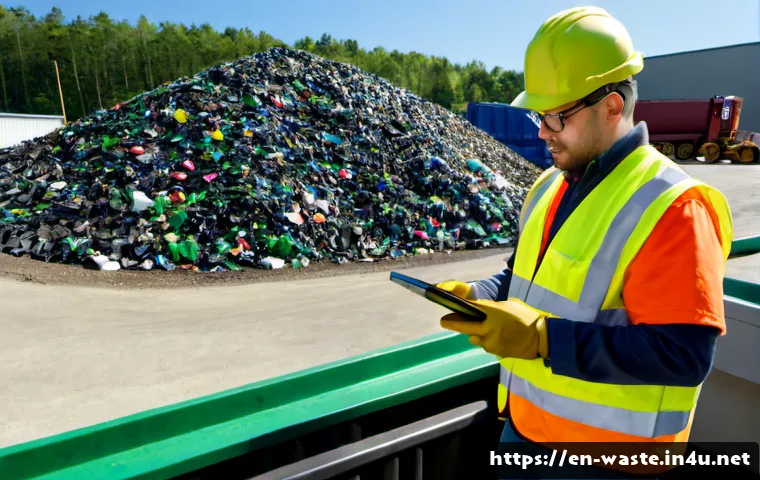
Before you can treat waste, you absolutely have to know what you’re dealing with. This means understanding the different types of waste – municipal solid waste, hazardous waste, industrial waste, medical waste, and even agricultural residues. Each stream has its unique composition, challenges, and regulatory considerations. Think about how e-waste, with its harmful substances, requires completely different handling than organic food waste. Knowing how to properly characterize waste – its physical, chemical, and biological properties – is fundamental to choosing the right treatment strategy. It’s like being a detective; you need to analyze the evidence (the waste) to determine the best course of action. I remember a practical exercise where we had to identify unknown waste samples and recommend a disposal method – getting the characterization wrong meant potentially hazardous consequences! This also extends to understanding emerging contaminants like microplastics and the efforts to ban single-use plastics and improve recycling processes.
Key Treatment Technologies: Theory and Application
This is where the rubber meets the road. Your exam will undoubtedly test your knowledge of various treatment processes. For wastewater, you need to understand the principles behind physical, chemical, and biological treatments, including activated sludge, trickling filters, membrane bioreactors (MBRs), and sequencing batch reactors (SBRs). For solid waste, concepts like composting, incineration, pyrolysis, and landfilling (including leachate and gas management) are crucial. Don’t just learn the names; understand *how* they work, their advantages, disadvantages, and suitability for different waste types. For example, knowing that AI robots are being used to differentiate between materials for more efficient recycling shows you’re keeping up with the latest advancements. Practice drawing process flow diagrams and explaining each step in detail. It’s not just about what a technology does, but why it’s chosen, what its limitations are, and what environmental impacts it mitigates or creates. This critical thinking is what your examiners are looking for.
Hands-On Know-How: Practical Application is King
A practical exam isn’t just about what you know; it’s about what you can *do* with that knowledge. This is where many students trip up because they’ve focused too much on theory and not enough on application. Trust me, I learned this the hard way during an early lab where my theoretical understanding of a biological process was spot on, but my technique for collecting samples was completely off, skewing all my results! These exams are designed to simulate real-world scenarios, so getting hands-on experience, even if it’s just through virtual labs or detailed simulations, is invaluable. It builds muscle memory and critical problem-solving skills that simply reading a textbook can’t provide.
Interpreting Data and Performing Calculations
In waste treatment, numbers tell a story. You’ll need to be proficient in reading and interpreting various data sets – from effluent quality reports to landfill gas monitoring data. This often involves performing calculations related to flow rates, treatment efficiencies, pollutant concentrations, and mass balances. Don’t let the math intimidate you; it’s usually straightforward but requires attention to detail. Practice working through problems with different units and understanding how to convert between them. Understanding concepts like chemical oxygen demand (COD) or biological oxygen demand (BOD) and their significance in wastewater analysis is crucial. My personal tip: always double-check your units! A small error there can lead to a massively incorrect answer, and in a real-world scenario, that could have serious environmental consequences. These calculations are the bedrock of operational decision-making, so mastery here translates directly to professional competence.
Equipment Familiarity and Troubleshooting
While you might not be physically operating heavy machinery during your exam, you absolutely need to be familiar with the common equipment used in waste treatment facilities. This includes pumps, screens, clarifiers, digesters, incinerators, and various monitoring devices. Understand their basic function, how they operate, common issues they might encounter, and basic troubleshooting steps. For example, knowing what causes a clarifier to malfunction or what might lead to inefficient incineration shows a comprehensive grasp of operations. The exam might present you with a schematic diagram of a plant and ask you to identify components, explain their role, or suggest solutions to a hypothetical problem. I found that watching videos of operational plants and reviewing equipment manuals (even generic ones online) really helped visualize these processes and prepare for those “what if” scenarios.
Leveraging Resources: Tools for Success
You don’t have to go it alone! There are so many fantastic resources out there, both online and offline, that can significantly enhance your preparation. Think of them as your personal support team, ready to fill in knowledge gaps and solidify your understanding. I’ve personally scoured countless forums, watched hours of educational videos, and invested in some truly excellent study guides, and each one contributed to my confidence. The trick is knowing which resources are reputable and how to integrate them effectively into your study routine.
Reliable Study Guides and Textbooks
Beyond your course materials, look for well-regarded textbooks and specialized study guides in environmental engineering and waste management. These often provide deeper explanations, additional practice problems, and insights that can round out your understanding. When choosing, always check the publication date – the field of waste management evolves quickly, so you want the most current information, especially regarding new technologies like smart bins or advanced recycling. For example, a textbook from even five years ago might not cover the latest in AI-powered waste sorting or pneumatic waste collection systems. Look for resources that clearly explain concepts, provide real-world examples, and offer practice questions with detailed solutions. A good study guide is like having a private tutor, guiding you through the tougher topics. Don’t be afraid to invest a little in quality materials; it’s an investment in your future.
Online Platforms and Practice Exams
The internet is a treasure trove of learning opportunities! Websites like Study.com or specialized exam prep platforms often offer video lessons, practice questions, and full-length mock exams. These are invaluable for getting a feel for the exam format, pacing yourself, and identifying areas where you still need work. I can’t stress enough how critical practice exams are. They simulate the real testing environment, helping you manage your time and nerves. Many of these platforms provide detailed explanations for each answer, which is crucial for learning from your mistakes. Look for those that specifically cater to waste management or environmental engineering exams, as general aptitude tests might not cover the depth of technical knowledge you need. Some government agencies or professional organizations also offer preparation materials or links to relevant resources, so keep an eye out for those!
The Mental Game: Staying Sharp and Confident
Exams aren’t just a test of your knowledge; they’re a test of your mental resilience. I’ve seen incredibly bright individuals falter simply because their nerves got the better of them. It happened to me once during a particularly challenging exam; my mind just went blank for a few crucial minutes. That’s why preparing your mindset is just as important as preparing your notes. This isn’t about ignoring the pressure, but about developing strategies to manage it, ensuring you can perform at your best when it counts. Confidence comes from knowing you’ve put in the work, but also from knowing how to calm your own mind.
Managing Stress and Preventing Burnout
It’s easy to get caught up in the grind, especially when the exam date is looming. But pushing yourself to the brink is counterproductive. Schedule regular breaks, even short ones, throughout your study sessions. Step away from your desk, get some fresh air, or do something completely unrelated to waste treatment. Quality sleep is non-negotiable; your brain needs that time to consolidate information. I found that physical activity, even just a brisk walk, did wonders for clearing my head and reducing stress. Remember, this is a marathon, not a sprint. Maintaining a healthy lifestyle throughout your preparation period will ensure you arrive on exam day feeling energized and ready to tackle anything. Don’t underestimate the power of a good night’s sleep before the big day!
Visualization and Positive Self-Talk

This might sound a bit “woo-woo,” but trust me, it works. Before the exam, take a few minutes each day to visualize yourself successfully completing the test, confidently answering questions, and acing the practical components. Picture yourself understanding complex diagrams, swiftly performing calculations, and clearly articulating your solutions. Pair this with positive self-talk: “I’ve studied hard for this,” “I am capable,” “I know this material.” Our minds are incredibly powerful, and feeding them positive affirmations can significantly boost your confidence and reduce anxiety. When I started doing this, I noticed a real shift in my approach to challenging questions – instead of panicking, I’d approach them with a calm, problem-solving mindset. It’s about programming your brain for success.
Beyond the Books: Real-World Insights
To truly excel in a practical exam, you need to show you understand that waste management isn’t just theory on paper; it’s a dynamic, evolving field with real-world implications. This means going beyond textbook definitions and understanding the current landscape, the challenges, and the innovative solutions being deployed. Examiners are often looking for candidates who can think critically and connect academic knowledge to practical scenarios, showcasing a genuine passion and understanding of the industry’s future. It demonstrates a level of engagement that textbook-only learners often miss.
Staying Updated on Industry Trends and Regulations
The world of waste treatment is constantly changing! New technologies, evolving regulations, and innovative approaches are emerging all the time. For example, concepts like the “circular economy,” which focuses on eliminating waste and regenerating nature, are gaining significant traction. AI-powered waste sorting, pneumatic waste collection systems, and advanced recycling processes are no longer futuristic ideas but are being implemented globally. Keep an eye on industry news, publications from environmental agencies, and even social media feeds from leading companies in the sector. Understanding regulatory frameworks, like specific environmental protection acts or guidelines on wastewater treatment, is also critical. This awareness not only helps you answer questions about current best practices but also shows that you’re a forward-thinking professional, ready to contribute to a sustainable future. It’s a huge plus to show you’re not just learning outdated facts!
Connecting Theory to Current Events
A practical exam often includes questions that require you to apply your knowledge to hypothetical, real-world problems. This is where understanding current events in waste management really shines. For instance, if there’s a recent news story about a new waste-to-energy plant or a policy change regarding plastic recycling, think about how that relates to the concepts you’re studying. How would a new policy impact landfill operations? What are the environmental benefits or challenges of a specific new technology? I often challenged myself by reading an article and then trying to explain the underlying scientific or engineering principles involved, as well as the societal implications. This practice sharpens your ability to think on your feet and make informed, holistic recommendations, which is exactly what a waste management professional does every day.
Refining Your Strategy: Mock Exams and Feedback
After weeks of intense studying, you might feel like you’re ready, but there’s one critical step you absolutely cannot skip: rigorous testing of your readiness. This isn’t just about reviewing notes; it’s about putting yourself through the paces of the actual exam. I remember thinking I had a topic down cold, only to realize during a mock exam that my time management was terrible, or that I consistently misinterpreted a certain type of question. Mock exams aren’t just practice; they’re diagnostic tools that help you identify weaknesses you didn’t even know you had, giving you a chance to fix them before it really counts. It’s the ultimate dress rehearsal before opening night.
Simulating Exam Conditions
This is crucial! Don’t just casually answer practice questions. Set aside a block of time, find a quiet space, turn off your phone, and take a full-length mock exam under timed conditions. Use only the allowed materials (calculator, pen, paper). This helps you get comfortable with the pressure, learn to pace yourself, and build endurance. When I first started doing this, I realized how quickly time could slip away, especially on multi-part questions or those requiring complex calculations. Simulating the environment also helps reduce anxiety on the actual day because you’ve already been through a similar experience multiple times. It becomes less about the unknown and more about executing a familiar routine. Treat each mock exam as if it were the real thing, and you’ll be much better prepared for the intensity of the actual test.
Analyzing Performance and Seeking Feedback
Once you’ve completed a mock exam, don’t just look at the score and move on. This is where the real learning happens! Go through every single question, especially the ones you got wrong or struggled with. Why did you make a mistake? Was it a conceptual gap, a calculation error, or poor time management? Understanding the *root cause* of your errors is key to preventing them in the future. If possible, review your answers with a mentor, a peer, or a study group. Getting an outside perspective can illuminate blind spots you might have. Platforms offering detailed answer explanations are also invaluable here. Don’t be afraid to ask for constructive criticism; it’s how we grow. I remember receiving feedback on a report I wrote for a mock practical, and while it stung a little, it completely transformed how I approached report writing, making my real exam much smoother. This iterative process of testing, analyzing, and refining is what separates good preparation from truly excellent preparation.
Staying Updated: The Evolving Landscape of Waste Management
In our field, what’s cutting-edge today might be standard practice tomorrow, and what was standard practice yesterday might be obsolete. The pace of innovation in waste management, driven by pressing environmental concerns and technological advancements, is truly astounding. If you want to not just pass your exam but genuinely contribute to a more sustainable world, you’ve got to be a lifelong learner. Trust me, the sheer volume of new solutions coming out makes it exciting, but also means you can’t rest on old knowledge. From my vantage point, keeping a finger on the pulse of innovation is what keeps our work relevant and impactful.
Emerging Technologies and Their Impact
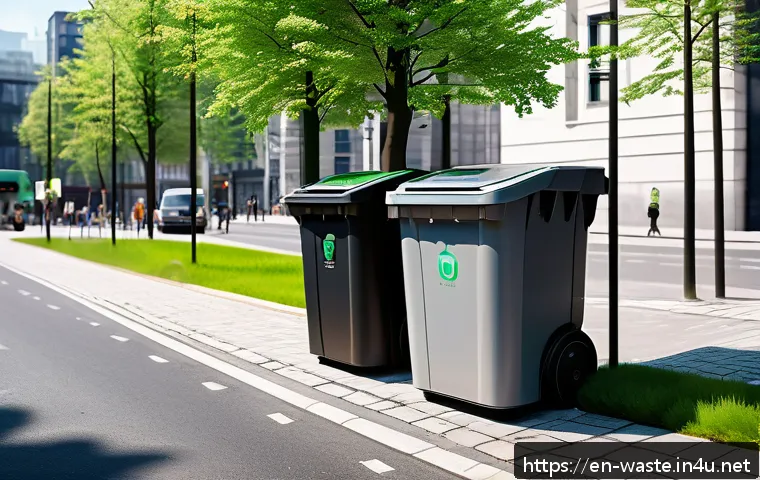
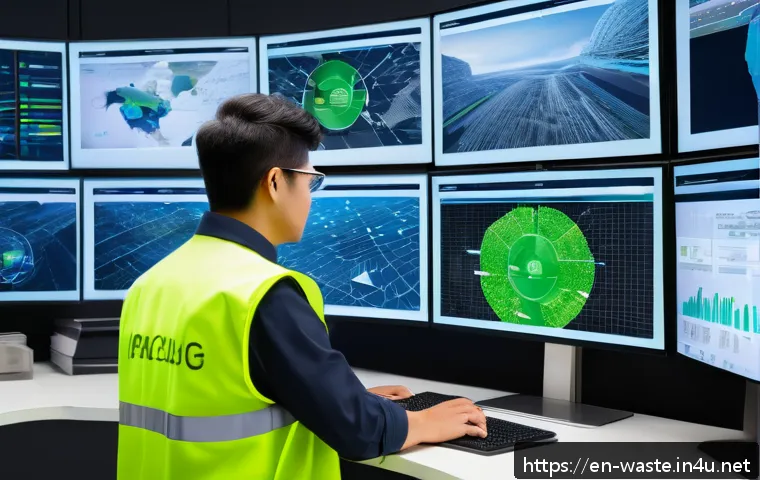
The future of waste management is being shaped by incredible technological leaps. We’re talking about things like “smart waste management systems” that use IoT sensors in bins to optimize collection routes and reduce fuel consumption. AI and robotics are revolutionizing recycling, allowing for more accurate and efficient sorting of materials. Then there’s the exciting world of waste-to-energy, with advanced incineration and gasification technologies converting non-recyclable waste into valuable energy sources. Even chemical recycling methods like pyrolysis are transforming plastics back into high-quality new materials. Understanding these innovations isn’t just for bonus points on an exam; it’s about being prepared for the industry you’re about to enter. It’s a field buzzing with ingenuity, constantly finding new ways to turn what was once considered “waste” into a valuable resource.
Global and Local Policy Shifts
Beyond technology, policies and regulations are powerful drivers of change in waste management. Countries and local governments are increasingly adopting “circular economy initiatives,” aiming for products to be designed for reuse, repair, or recycling. We’re seeing bans on single-use plastics and ambitious recycling targets. Understanding how these policies impact everything from waste generation at the source to final disposal methods is critical. For instance, knowing about initiatives that promote wastewater reuse or outline measures for effective treatment and sludge utilization isn’t just academic; it reflects how communities are addressing water scarcity and environmental protection. Keeping up with legislative changes and sustainability goals shows a holistic understanding of the challenges and solutions in waste management, demonstrating that you grasp the bigger picture beyond just the technical details. It’s about being a well-rounded environmental professional.
| Study Phase | Duration (Approx.) | Key Activities | Personal Tip |
|---|---|---|---|
| Foundation Building | 2-4 Weeks | Review core principles, waste stream types, basic chemistry/biology, and introductory treatment methods. | Don’t skip the fundamentals, no matter how basic they seem. A strong foundation makes complex topics easier to grasp. |
| Deep Dive & Application | 3-5 Weeks | Focus on specific treatment technologies (wastewater, solid waste, hazardous), calculations, process diagrams, and regulatory frameworks. | Integrate practice problems daily. Work through case studies to see how theory applies in real scenarios. |
| Practical & Trends | 2-3 Weeks | Familiarize yourself with equipment, interpret data reports, research current industry trends (AI, circular economy, new tech), and policy updates. | Watch industry webinars or facility tours online. This visual exposure helps solidify practical understanding. |
| Review & Mock Exams | 1-2 Weeks | Take full-length timed mock exams, analyze results, review weak areas, and practice time management. | Treat mock exams like the real thing. Use the results to fine-tune your final week’s study plan, not to panic! |
Wrapping Things Up
And there you have it, my friends! We’ve navigated the sometimes-murky, always-fascinating waters of waste treatment exam prep. It might feel like a monumental task now, but trust me, every minute you invest in understanding these critical concepts and technologies is a step towards becoming a true environmental champion. This isn’t just about passing a test; it’s about equipping yourself to make a real, tangible difference in our world, tackling challenges from climate change to resource scarcity. I genuinely believe in your ability to master this material, not just academically, but with the passion and insight that our planet desperately needs. Remember the excitement that drew you to this field in the first place, and let that be your fuel as you move forward. You’ve got this!
Useful Information to Know
1. Embrace the “Circular Economy” Mindset: Beyond just recycling, understanding the principles of a circular economy – designing out waste and pollution, keeping products and materials in use, and regenerating natural systems – is absolutely vital. This framework is rapidly becoming the guiding star for sustainable waste management globally, moving us away from the old linear ‘take-make-waste’ model. Incorporating this perspective into your understanding will not only make your exam answers more robust but will also prepare you for real-world innovation in the field.
2. Stay Ahead with Emerging Technologies: The waste treatment landscape is evolving at warp speed. Don’t just rely on yesterday’s textbooks. Keep an eye on breakthroughs like AI and robotics in waste sorting, advanced waste-to-energy solutions, and even novel biological treatments, such as bacteria-based methods for sewage treatment. These innovations are transforming how we manage waste, making processes more efficient and sustainable. Knowing about these new developments shows you’re not just learning facts, but you’re connected to the dynamic future of the industry.
3. Master Data Interpretation and Regulatory Frameworks: In practical waste management, data tells the story, whether it’s effluent quality reports or landfill gas monitoring. Being able to interpret this data, perform relevant calculations, and understand how it informs operational decisions is crucial. Equally important is a solid grasp of environmental regulations and policies. These legal frameworks dictate compliance, impact planning, and ensure environmental protection. A deep understanding here demonstrates your readiness to navigate the complexities of the profession responsibly.
4. Prioritize Practical Application and Case Studies: Theory is essential, but practical application is where the rubber meets the road. Whenever possible, engage with case studies, virtual lab simulations, or even online tours of waste treatment facilities. This hands-on, conceptual experience helps you understand how different technologies work in real-world scenarios, how to troubleshoot common issues, and how to connect theoretical knowledge to practical problem-solving. This kind of application-based learning will significantly boost your confidence and performance on practical exam components.
5. Cultivate Your Study-Life Balance: Preparing for a challenging exam can be intense, but neglecting your well-being is a recipe for burnout. From my own experiences, regular short breaks, adequate sleep, and some form of physical activity can make a huge difference in information retention and stress management. Think of it as maintaining the “operational efficiency” of your brain! A healthy mind is a sharp mind, and ensuring you’re rested and refreshed will allow you to perform at your peak when it matters most, making your study hours truly count.
Key Takeaways
To truly conquer your waste treatment practical exam, remember this: it’s a marathon, not a sprint. A well-structured preparation timeline, ideally 8-12 weeks, is your roadmap. Start by honestly assessing your current knowledge to pinpoint areas needing more focus. Dive deep into core concepts like waste stream characterization and diverse treatment technologies, ensuring you understand not just the ‘what’ but the ‘how and why’ behind them. Crucially, emphasize practical application, practicing data interpretation, and familiarizing yourself with equipment, even if through simulations. Leverage high-quality study guides and online resources, including mock exams, to solidify your understanding and get comfortable with the exam format. Finally, and perhaps most importantly, manage your stress, believe in your capabilities, and stay updated on the latest industry trends and policy shifts to show you’re not just a student, but a future leader ready to innovate in sustainable waste management. This holistic approach ensures you’re prepared for both the exam and a meaningful career.
Frequently Asked Questions (FAQ) 📖
Q: How much time should I really dedicate to studying for a waste treatment practical exam to feel confident and prepared?
A: This is such a common question, and honestly, there’s no magic one-size-fits-all answer, but I can tell you what I’ve seen work and what the experts recommend!
For an entry-level certification (think Level I or A), most folks will need about 1 to 3 months of dedicated exam preparation. This typically accounts for the time it takes to review materials and get comfortable with the content.
If you’re tackling mid-level (Level II/B) or advanced certifications (Level III/C or IV/D), you’re looking at a longer haul, often due to the experience requirements that can range from one to over five years, plus specialized training.
From my own experience, rushing it is a recipe for stress and often, re-takes. I always advise my community to start studying well in advance, even several months before your target exam date.
Think of it like training for a big game – you wouldn’t expect to win without practice, right? A self-assessment at the beginning can help you pinpoint your weak spots so you can tailor your study plan.
As you progress, re-evaluate and adjust your schedule. The goal isn’t perfection, it’s passing, and that means being able to answer questions correctly under pressure.
Remember, these certifications represent both technical competency and a professional commitment to protecting public health and the environment, so investing the time upfront really pays off.
Q: Beyond just “studying,” what are the smartest and most effective ways to utilize my study time for this kind of practical exam?
A: Oh, this is where the real “influencer” comes out in me – because it’s not just about what you study, but how you study! First off, make a detailed study plan and stick to it.
This plan should definitely incorporate your practical knowledge, because many exam questions will deal with real-world issues you’d encounter on the job.
Leverage your work experience and even pick the brains of your co-workers – trust me, their insights are invaluable. Here are a few power tips that I swear by:
1.
Nail Down the Fundamentals: Don’t gloss over the basics! While the field is evolving, core concepts in wastewater quality, treatment processes (like primary and secondary treatment), effluent discharge standards, and sludge disposal are always critical.
2. Practice, Practice, Practice: Take timed sample tests. This isn’t just about knowing the material, it’s about performing under pressure.
Some states provide formula/conversion sheets, so get familiar with those and know what you can and can’t use.
3. Visual Aids and Notes: When I was studying, drawing sketches of systems or processes really helped me visualize complex information.
And taking good notes? Absolutely essential!
4.
Understand Regulations and Best Practices: Waste management isn’t just about the science; it’s heavily regulated. Familiarize yourself with environmental laws and guidelines, even if they seem dry.
Knowing the proper segregation, collection, transport, storage, treatment, and disposal methods is key.
5. Stay Current: The waste treatment landscape is dynamic.
Keep an eye on new technologies and sustainable practices. For instance, advanced recycling of flexible packaging using pyrolysis, or AI-driven waste sorting systems, are becoming increasingly relevant.
Knowing about these innovations will not only help on the exam but also make you a more well-rounded professional.
Q: What are some of the cutting-edge trends and innovative methods in waste treatment and sustainable waste management that I should be aware of for my exam?
A: This is probably the most exciting part of our field, and staying updated is non-negotiable for anyone looking to lead in environmental stewardship! The exam will likely touch upon these, so pay close attention.
Here’s what’s buzzing right now that I’ve been following closely:
1. Advanced Recycling Technologies: We’re seeing incredible advancements in chemical recycling, like pyrolysis, which can break down complex flexible plastics and multi-layer laminates (stuff that was previously unrecyclable!) into raw materials like pyrolytic oil to create new plastics.
This is a huge step towards a true circular economy. There’s also innovation in battery recycling, recovering high-purity lithium directly from used batteries.
2. AI and Digital Solutions in Waste Management: Artificial intelligence is a game-changer. It’s being integrated into waste sorting systems to improve efficiency and recovery rates for valuable materials.
We’re even seeing blockchain being used for transparent tracking and certification of recycled materials, which is pretty mind-blowing when you think about it.
3. Circular Economy Principles: This isn’t just a buzzword; it’s a fundamental shift. It’s all about designing out waste and pollution, keeping products and materials in use, and regenerating natural systems.
This includes everything from sustainable packaging to efforts like turning food waste into renewable natural gas and low-carbon fertilizer through anaerobic digestion.
4. Waste-to-Energy and Resource Recovery: Beyond just recycling, there’s a strong push for converting waste into valuable resources. This includes everything from recovering carbon black from used tires through pyrolysis to more localized mobile waste-to-energy units for construction debris.
The focus is on maximizing the utilization of valuable resources and minimizing landfill reliance. These innovations aren’t just theoretical; they’re actively shaping how we manage waste and protect our planet.
Understanding them will definitely give you an edge on your exam and in your career!