As climate change and urbanization accelerate, effective waste management has become more critical than ever. Understanding the fundamentals of environmental engineering can empower us to tackle pollution and resource depletion head-on.
Whether you’re a student, professional, or simply curious, mastering these concepts opens the door to innovative solutions that protect our planet. In this guide, we’ll break down complex ideas into simple, actionable insights that anyone can grasp.
Stick around to discover how waste management shapes a sustainable future and why it matters to you personally. Let’s dive in and explore the essential building blocks of a cleaner, greener world.
Core Principles of Waste Management in Environmental Engineering
Understanding Waste Streams and Their Impact
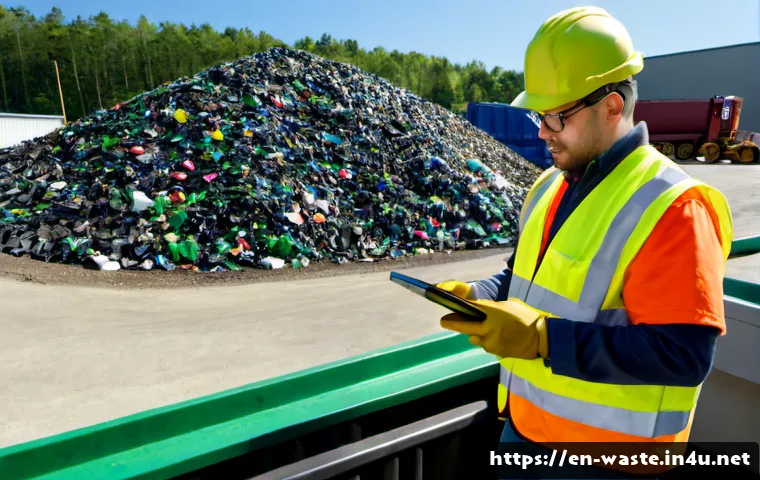
Waste management begins with identifying the types of waste generated in urban and industrial settings. These waste streams typically include organic waste, recyclables, hazardous materials, and non-recyclable refuse.
Recognizing the composition helps determine the best handling and treatment methods. For example, organic waste can be composted to reduce landfill burden and produce valuable soil amendments.
Hazardous waste, on the other hand, requires specialized treatment to prevent soil and water contamination. From my experience volunteering at a local recycling center, seeing how mixed waste complicates recycling efforts really hammered home the importance of proper segregation at the source.
Understanding these distinctions is fundamental because mismanagement at this stage can lead to severe environmental and public health issues.
Biological, Chemical, and Physical Treatment Techniques
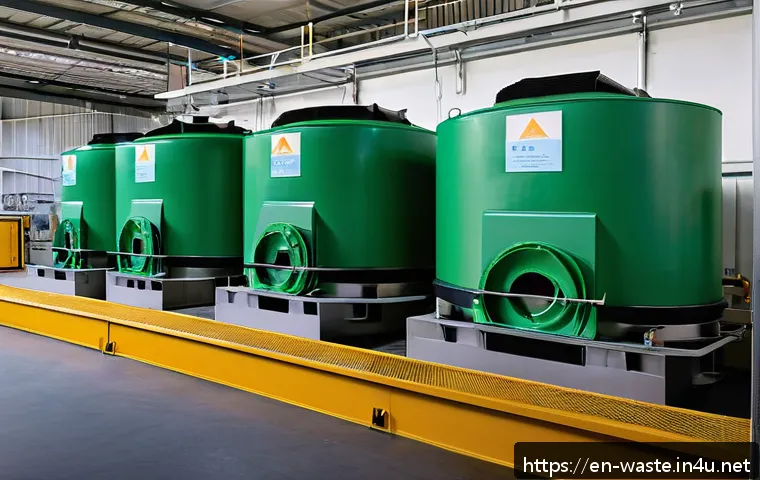
Environmental engineers employ a range of treatment technologies tailored to waste characteristics. Biological treatments like composting and anaerobic digestion harness microorganisms to break down organic matter, transforming waste into usable byproducts such as biogas and fertilizer.
Chemical methods include neutralization and oxidation processes to detoxify hazardous waste, while physical treatments involve sorting, shredding, or compacting to reduce volume and prepare waste for further processing.
I once visited a facility that uses anaerobic digesters to turn food waste into renewable energy, and witnessing the entire cycle was eye-opening. It demonstrated how combining biology and engineering can close resource loops and reduce greenhouse gas emissions.
Regulatory Frameworks Guiding Waste Management
Effective waste management is deeply intertwined with environmental laws and policies that set standards for collection, treatment, disposal, and emissions.
Agencies like the EPA in the U.S. establish regulations to control landfill operations, air quality during incineration, and safe handling of hazardous substances.
Compliance ensures public safety and environmental protection but can be complex due to differing local, state, and federal requirements. For professionals working in this field, staying updated with evolving regulations is crucial to implement compliant and efficient waste management systems.
Personally, navigating these rules while consulting on a municipal waste project highlighted how policy shapes practical engineering solutions.
Innovative Technologies Revolutionizing Waste Handling
Smart Waste Collection Systems
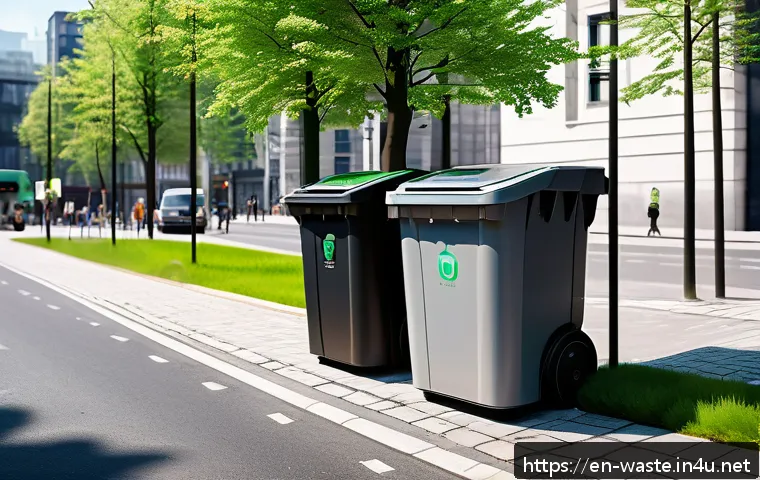
Advancements in IoT and sensor technologies are transforming how waste collection is managed. Smart bins equipped with fill-level sensors communicate real-time data to collection services, optimizing routes and reducing fuel consumption.
This approach not only cuts operational costs but also lowers carbon footprints. I recall a city pilot program where smart bins reduced missed pickups and overflow issues significantly, improving community satisfaction.
Such tech integration exemplifies how digital innovation can enhance traditional waste management frameworks.
Waste-to-Energy Conversion Methods
Turning waste into energy is a game changer in both reducing landfill volume and generating renewable power. Techniques include incineration with energy recovery, gasification, and pyrolysis, each converting different waste types into electricity, heat, or fuel.
While these methods help offset fossil fuel use, they require careful emission controls to avoid air pollution. During a site visit to a waste-to-energy plant, the balance between energy production and environmental safeguards became clear—it’s a fine line that demands rigorous engineering oversight.
Emerging Trends in Circular Economy Approaches
The circular economy focuses on designing waste out of the system by emphasizing reuse, repair, and recycling. Environmental engineers are increasingly involved in creating closed-loop systems where materials remain in use for as long as possible.
This paradigm shift challenges the traditional linear “take-make-dispose” model, promoting sustainability through innovation. I’ve found that businesses embracing circular principles not only reduce their environmental impact but often discover new revenue streams by repurposing waste products creatively.
Health and Environmental Risks Associated with Poor Waste Management
Pollution Pathways and Their Consequences
Improper waste disposal can lead to significant air, water, and soil pollution. Leachate from landfills can contaminate groundwater with heavy metals and pathogens, while open burning releases toxic fumes impacting respiratory health.
Urban runoff carrying waste debris clogs waterways, harming aquatic life and ecosystem balance. Witnessing a community affected by landfill contamination firsthand underscored how vulnerable populations bear the brunt of poor waste practices.
It’s a stark reminder that waste management isn’t just an engineering challenge but a critical public health issue.
Vector-Borne Diseases and Waste Accumulation
Accumulated waste creates breeding grounds for disease vectors like mosquitoes, rats, and flies, which can spread illnesses ranging from dengue fever to leptospirosis.
In tropical urban areas, inadequate waste collection exacerbates these risks, especially in densely populated neighborhoods. From volunteering in health outreach programs, I learned that improving waste infrastructure directly contributes to lowering disease incidence, demonstrating a clear link between sanitation and community well-being.
Long-Term Ecological Impacts
Persistent pollutants from waste can bioaccumulate in food chains, affecting biodiversity and ecosystem services essential for human survival. For instance, plastics breaking down into microplastics infiltrate marine environments, threatening fish populations and ultimately human food security.
Environmental engineers play a vital role in mitigating these long-term impacts by designing sustainable waste treatment and reduction strategies. The urgency of this work became apparent when I read about oceanic plastic patches, pushing me to advocate for more responsible waste handling.
Community Engagement and Behavioral Change in Waste Reduction
Importance of Public Awareness and Education
Behavioral change is the backbone of effective waste management. Educating communities about waste segregation, composting, and recycling motivates responsible practices and reduces contamination.
Campaigns using relatable messaging and local examples tend to resonate more deeply. I’ve witnessed firsthand how neighborhood workshops can shift attitudes, turning waste management into a shared responsibility rather than a burden on municipal services alone.
Role of Incentives and Policy Support
Incentivizing waste reduction through deposit-return schemes, pay-as-you-throw models, or rewards for recycling participation encourages positive habits.
These mechanisms work best when combined with accessible infrastructure and clear regulations. During a study on urban waste programs, I noted that cities offering financial incentives saw measurable increases in recycling rates and decreases in landfill use, proving that well-designed policies can effectively change behavior.
Community-Led Waste Initiatives
Grassroots projects often fill gaps left by formal waste systems, especially in underserved areas. These include local composting hubs, repair cafes, and zero-waste stores.
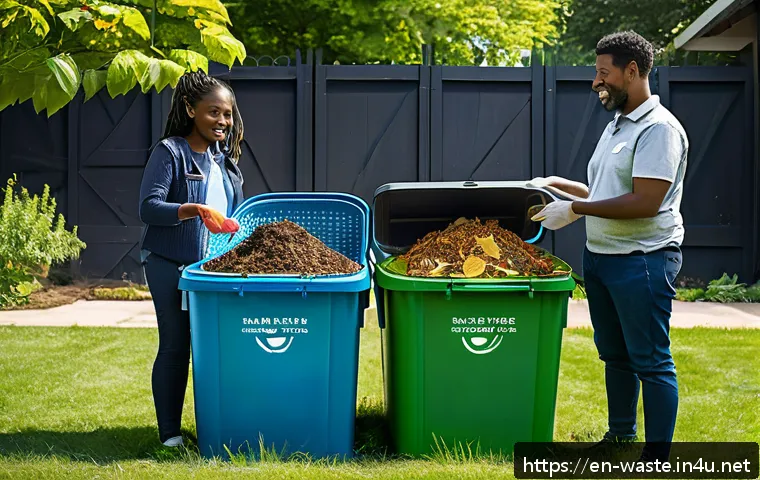
They empower residents to take ownership of waste solutions and foster social cohesion. I participated in a community composting project where local engagement not only reduced waste but also strengthened neighborhood ties, showing the social benefits alongside environmental gains.
Comparing Waste Treatment Methods: Pros and Cons
Landfilling vs. Incineration
Landfills are the most common waste disposal method due to low initial costs but pose risks of leachate and methane emissions. Incineration reduces waste volume and can generate energy but may release pollutants if not properly controlled.
Choosing between these depends on local conditions, regulatory frameworks, and environmental priorities. From consulting projects, I’ve seen hybrid approaches combining both methods to optimize outcomes.
Recycling and Composting Benefits
Recycling conserves resources and energy by reprocessing materials, while composting returns nutrients to soil. Both reduce landfill demand and greenhouse gases.
However, contamination and lack of market demand for recyclables can limit effectiveness. I once helped design a community compost program that significantly cut organic waste, illustrating how targeted efforts can yield impressive results.
Advanced Treatment Technologies
Technologies like gasification and anaerobic digestion offer cleaner alternatives with resource recovery but require higher capital investment and technical expertise.
They’re promising for future sustainable waste management but need supportive policies and public acceptance. My visits to facilities employing these technologies revealed their potential but also the challenges in scaling up.
| Waste Treatment Method | Advantages | Disadvantages | Typical Applications |
|---|---|---|---|
| Landfilling | Low cost, simple operation | Leachate, methane emissions, land use | Municipal solid waste disposal |
| Incineration | Volume reduction, energy recovery | Air pollution risk, high cost | Hazardous and municipal waste |
| Recycling | Resource conservation, energy saving | Contamination, market dependency | Paper, plastics, metals, glass |
| Composting | Soil enrichment, organic waste reduction | Odor, space requirements | Food scraps, yard waste |
| Anaerobic Digestion | Biogas production, nutrient recycling | High initial investment, operational complexity | Food waste, manure |
Strategies for Sustainable Waste Management Planning
Integrated Waste Management Systems
Rather than relying on a single method, integrated systems combine collection, recycling, treatment, and disposal tailored to community needs. This holistic approach maximizes resource recovery and minimizes environmental impacts.
In my consulting experience, developing such systems required stakeholder collaboration and data-driven decisions, but the results were far more sustainable and cost-effective.
Data Analytics and Monitoring for Efficiency
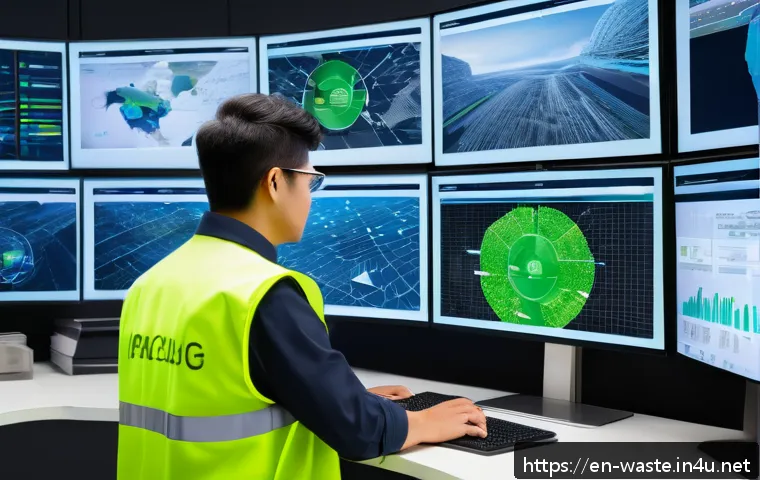
Using data from sensors, GIS mapping, and waste audits helps optimize collection schedules, identify problem areas, and track performance. Continuous monitoring supports adaptive management, ensuring systems evolve with changing waste patterns.
I’ve seen how cities adopting data-driven waste management reduce operational costs and improve service reliability, proving technology’s role in smarter environmental engineering.
Future-Proofing Through Policy and Innovation
Planning must anticipate population growth, consumption trends, and technological advances. Forward-thinking policies encourage innovation in materials, packaging, and waste treatment.
Supporting research and pilot projects can accelerate the transition to zero waste. My involvement in policy advisory boards showed that embedding flexibility and innovation in plans is key to long-term success.
Conclusion
Effective waste management is a cornerstone of environmental engineering that requires a multifaceted approach combining technology, policy, and community engagement. By understanding waste streams and applying innovative treatment methods, we can significantly reduce environmental impacts and promote sustainability. My experience shows that integrating these principles leads to more resilient and efficient systems. Ultimately, responsible waste handling is essential for protecting both public health and the planet.
Useful Information to Know
1. Proper waste segregation at the source greatly enhances recycling efficiency and reduces contamination.
2. Biological treatments like composting and anaerobic digestion not only manage waste but also generate valuable byproducts such as biogas and fertilizer.
3. Smart waste collection systems using IoT technology optimize routes and reduce operational costs while lowering emissions.
4. Circular economy models promote sustainability by encouraging reuse, repair, and recycling to minimize waste generation.
5. Data-driven monitoring and integrated waste management systems improve service reliability and environmental outcomes.
Key Takeaways
Understanding the diversity of waste types and their impacts is fundamental to designing effective management strategies. Employing a mix of biological, chemical, and physical treatment technologies tailored to specific waste streams enhances resource recovery and environmental protection. Regulatory compliance and community involvement are critical to successful implementation. Innovative technologies and circular economy principles are reshaping the future of waste management, making it more sustainable and efficient. Lastly, ongoing data analysis and adaptive planning ensure waste systems remain responsive to evolving challenges.
Frequently Asked Questions (FAQ) 📖
Q: Why is waste management so crucial in the context of climate change and urbanization?
A: Waste management plays a vital role because improper disposal and treatment of waste contribute significantly to greenhouse gas emissions, such as methane from landfills.
As cities grow rapidly, the volume of waste increases, putting pressure on existing infrastructure and natural resources. Effective waste management not only reduces pollution and conserves resources but also helps mitigate climate change impacts by promoting recycling, composting, and energy recovery.
From my experience, communities that invest in smart waste systems often see improved air quality and healthier living conditions, which directly benefits residents.
Q: How can understanding environmental engineering help individuals contribute to better waste management?
A: Grasping the basics of environmental engineering empowers people to make informed decisions about reducing waste generation and supporting sustainable practices.
For example, knowing how wastewater treatment works or how materials can be recycled encourages responsible behavior like sorting trash correctly and minimizing single-use plastics.
Personally, when I learned about the processes behind waste-to-energy plants, I started advocating for community initiatives that turn organic waste into biogas, which is a win-win for energy and waste reduction.
This knowledge transforms everyday actions into impactful contributions toward a cleaner planet.
Q: What are some simple steps anyone can take to support sustainable waste management at home or in their community?
A: Starting small can lead to meaningful change. You can begin by practicing waste segregation—separating recyclables, compostables, and landfill waste—to ensure materials are processed properly.
Reducing consumption, choosing reusable products, and supporting local recycling programs also make a big difference. From my perspective, joining or organizing neighborhood clean-up events not only improves the environment but also raises awareness and builds a sense of shared responsibility.
These straightforward actions, when adopted widely, create a ripple effect that helps shape a greener future for everyone.