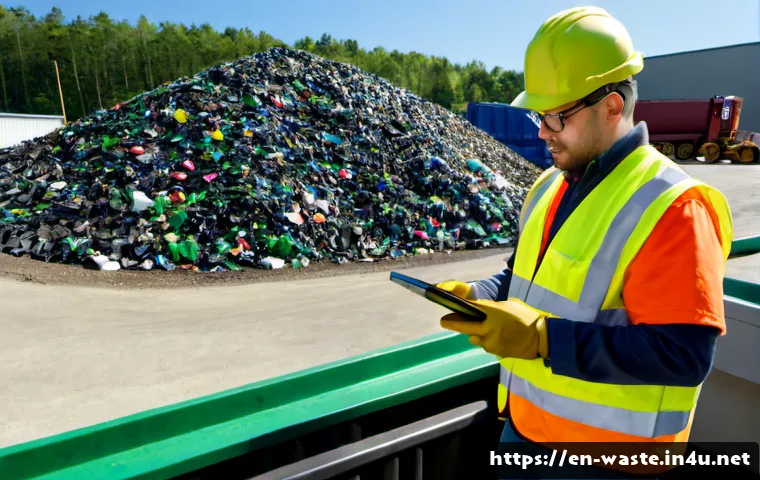
Navigating the complexities of waste management certification can feel overwhelming, especially with the increasing emphasis on sustainable practices worldwide.
Whether you’re a seasoned professional or just starting out, mastering this exam requires more than just memorization—it demands strategic preparation tailored to real-world scenarios.
Lately, with growing environmental regulations and innovative waste technologies emerging, staying ahead has never been more crucial. In this post, I’ll share proven study strategies that helped me confidently tackle the exam and can boost your chances of success too.
Let’s dive into effective methods that make learning engaging and practical, setting you up for both exam day and your future career.
Mastering Core Waste Management Concepts
Understanding Regulatory Frameworks and Compliance
Grasping the legal landscape surrounding waste management is essential. Regulations vary by region but generally include waste classification, disposal methods, and reporting requirements.
I found it helpful to create summary sheets for each regulation type, breaking down complex legal jargon into everyday language. This approach made it easier to recall specific rules during the exam and apply them in practical scenarios.
Staying updated with recent amendments or new legislation also proved crucial, as exam questions often reflect the latest changes. Using government websites and official publications as primary sources helped me build a strong foundation of trustworthy information.
Identifying Waste Types and Treatment Techniques
Knowing the characteristics of different waste streams—hazardous, non-hazardous, organic, and recyclable—is key to answering scenario-based questions.
I recommend focusing on how each waste type is processed: for example, composting for organic waste or chemical stabilization for hazardous materials.
Drawing flowcharts to visualize treatment processes helped me understand how each step fits within the bigger picture of waste management. This method also boosted my confidence in explaining the rationale behind selecting specific treatments, which is often tested in practical exams.
Environmental Impact and Risk Assessment
Understanding the environmental consequences of improper waste handling enriches your ability to think critically during the exam. I used real-world case studies to analyze failures and successes in waste management, which sharpened my ability to assess risks and propose mitigation strategies.
For instance, learning about landfill leachate contamination helped me appreciate why certain containment measures are mandatory. This kind of insight not only prepares you for exam questions but also equips you for professional decision-making in the field.
Effective Study Planning and Time Management
Creating a Realistic Study Schedule
One of the biggest challenges I faced was balancing study time with work and personal commitments. I tackled this by setting specific, measurable goals for each week and allocating time blocks dedicated solely to focused study sessions.
Using a digital calendar with reminders kept me accountable. Breaking down the syllabus into manageable chunks helped reduce overwhelm, and I made sure to include buffer days for unexpected delays or review.
This structure was a game-changer in maintaining steady progress without burnout.
Leveraging Active Recall and Spaced Repetition
Passive reading rarely sticks, so I incorporated active recall techniques like flashcards and self-quizzing to reinforce memory. I found spaced repetition apps particularly effective, as they prompted me to revisit difficult topics at optimal intervals.
This method not only improved retention but also highlighted areas needing extra attention. Practicing with past exam questions in spaced intervals helped simulate test conditions, making the actual exam experience less intimidating.
Balancing Theory with Practical Application
While memorization has its place, understanding how to apply concepts is vital. I combined textbook study with hands-on activities such as visiting local waste facilities or shadowing professionals when possible.
Seeing waste management in action bridged the gap between theory and reality. Additionally, discussing case scenarios with peers or mentors helped me articulate my understanding and receive constructive feedback, which deepened my grasp of complex topics.
Utilizing Quality Study Resources and Tools
Choosing the Right Textbooks and Guides
Selecting comprehensive and up-to-date study materials can be daunting. I prioritized resources recommended by certified professionals and industry bodies, ensuring the content aligned with current exam standards.
Supplementing core textbooks with government publications and scientific articles provided a well-rounded perspective. I avoided outdated guides, as waste management practices evolve rapidly, and relying on obsolete information can be detrimental.
Incorporating Multimedia and Interactive Learning
Videos, webinars, and interactive modules added variety to my study routine, making complex topics more digestible. I found visual explanations of treatment processes and compliance procedures particularly helpful.
Engaging with online forums and discussion groups also exposed me to diverse viewpoints and common challenges faced by others preparing for the exam. This social learning aspect kept me motivated and less isolated during intense study periods.
Tracking Progress with Practice Exams
Regularly testing myself with mock exams helped identify knowledge gaps and improve time management under pressure. I treated each practice test like the real exam, adhering to strict time limits and minimizing distractions.
After each attempt, I thoroughly reviewed incorrect answers to understand my mistakes. This iterative process boosted my confidence and refined my test-taking strategies, ensuring I was well-prepared for the exam format and question styles.
Building Exam Day Confidence and Strategy
Developing a Calm Mindset
Exam anxiety can undermine even the best preparation. I adopted mindfulness techniques such as deep breathing and positive visualization to stay calm before and during the test.
Arriving early and familiarizing myself with the exam environment helped reduce stress. Having a clear plan for tackling questions—starting with easier ones to build momentum—also improved my focus and prevented panic.
Effective Time Allocation During the Exam
Managing the clock was crucial, especially with scenario-based questions that require detailed analysis. I practiced dividing my time proportionally based on question weight and complexity, ensuring I didn’t get stuck on challenging items.
Flagging difficult questions to revisit later allowed me to maximize points from straightforward ones first. This approach helped me complete the exam confidently without rushing through the final sections.

Utilizing Exam Instructions and Resources
Carefully reading instructions and understanding what the examiners expect can make a significant difference. I made it a habit to underline keywords and identify command verbs like “explain,” “compare,” or “list,” which guided my answers.
When allowed, I used scrap paper to outline responses before writing, helping organize thoughts clearly. These small tactics enhanced clarity and coherence, which are often rewarded in scoring.
Common Pitfalls and How to Avoid Them
Overloading on Information Without Application
One mistake I noticed among peers was cramming excessive facts without understanding their practical relevance. This often leads to confusion during scenario questions.
To avoid this, I focused on connecting theory to real-life waste management challenges, which made recall easier and answers more nuanced. Prioritizing quality over quantity of information proved more effective in mastering the exam content.
Neglecting Environmental and Safety Considerations
Sometimes candidates overlook the importance of environmental impact and workplace safety protocols. I made sure to integrate these aspects into my study routine, recognizing their prominence in modern waste management.
Emphasizing sustainable practices and risk mitigation not only aligns with exam expectations but also reflects industry best practices that employers value highly.
Ignoring Review and Self-Assessment
Skipping regular review sessions can cause knowledge to fade quickly. I learned that periodic self-assessment is key to long-term retention. Setting aside weekly review blocks to revisit challenging topics and update notes kept my understanding sharp.
This habit also helped track progress and adjust study strategies as needed, ensuring continuous improvement up to exam day.
Key Waste Management Topics Summarized for Quick Review
| Topic | Key Points | Recommended Study Method |
|---|---|---|
| Regulatory Compliance | Understand local and international laws, reporting, and permits | Create summary sheets, follow official publications |
| Waste Classification | Distinguish hazardous, organic, recyclable, and inert wastes | Use charts and flashcards for memorization |
| Treatment Technologies | Composting, incineration, landfill management, chemical treatment | Visual flowcharts and facility visits |
| Environmental Impact | Risks of leachate, emissions, and improper disposal | Analyze case studies and mitigation strategies |
| Safety Protocols | Personal protective equipment, spill response, hazard communication | Practical demonstrations and safety drills |
| Exam Techniques | Time management, question analysis, answer structuring | Practice exams and self-assessment |
Leveraging Peer Support and Professional Networks
Joining Study Groups for Accountability
Studying with others brought a fresh perspective and made the process less isolating. Group members shared resources, quizzed each other, and discussed tricky concepts, which deepened my understanding.
We scheduled regular meetups—virtual or in person—that kept us on track and motivated. This camaraderie also helped reduce stress by normalizing common struggles and celebrating small victories together.
Seeking Mentorship and Expert Guidance
Connecting with experienced waste management professionals provided invaluable insights beyond textbooks. I reached out through industry associations and LinkedIn, asking for advice on exam preparation and career pathways.
Mentors shared practical tips, recommended resources, and sometimes offered mock interview sessions. Their real-world experience enriched my learning and boosted my confidence heading into the exam.
Utilizing Online Forums and Communities
Engaging in online platforms dedicated to waste management exams allowed me to tap into a wider pool of knowledge. I found discussions on tricky questions, study hacks, and exam updates particularly useful.
Participating actively by asking questions or sharing my progress created a supportive environment. The accessibility of these forums meant I could study anytime and get answers quickly, which was a major convenience during busy periods.
Conclusion
Mastering waste management concepts requires a balanced approach combining solid knowledge, practical application, and effective exam strategies. Staying organized and using diverse study methods will boost both understanding and confidence. Remember, consistent effort and real-world insights make all the difference in success. Keep focused, stay curious, and approach the exam with a calm mindset.
Useful Information to Remember
1. Regularly update yourself with the latest regulations and industry standards to stay relevant and prepared.
2. Use visual aids like flowcharts and flashcards to simplify complex processes and enhance memory retention.
3. Engage with peers and professionals to gain new perspectives and deepen your practical understanding.
4. Practice time management during study sessions and exams to optimize performance and reduce stress.
5. Incorporate active learning techniques such as self-quizzing and spaced repetition to reinforce knowledge effectively.
Key Takeaways
Understanding both theory and practical aspects of waste management is essential for exam success and professional competence. Prioritize quality study materials and stay current with evolving regulations. Combining individual study with peer support and real-world experience strengthens your grasp of the subject. Efficient time management and exam strategies help maintain focus and confidence under pressure. Lastly, never underestimate the importance of reviewing and applying what you’ve learned to ensure long-lasting retention and readiness.
Frequently Asked Questions (FAQ) 📖
Q: uestionsQ1: What are the most effective study techniques for passing the waste management certification exam?
A: From my experience, combining active learning methods like practice quizzes with real-life case studies really helps cement the concepts. Instead of just reading, try to apply the principles to scenarios you might face on the job.
Also, forming study groups or discussing topics with peers can clarify tricky regulations and boost retention. Spacing out your study sessions over weeks rather than cramming right before the exam makes a huge difference in confidence and recall.
Q: How can I stay updated on the latest environmental regulations and waste technologies relevant to the exam?
A: I found subscribing to reputable industry newsletters and following environmental agencies’ official websites invaluable. Attending webinars or local workshops also offers insights into emerging trends and practical applications.
Setting Google Alerts for keywords like “waste management regulations” or “sustainable waste technology” ensures you don’t miss important updates. Keeping a dedicated notebook or digital file for these developments helps you review them regularly without feeling overwhelmed.
Q: What should I focus on during the exam to maximize my score?
A: Prioritize understanding the reasoning behind waste management practices rather than rote memorization. The exam often tests your ability to apply knowledge to real-world problems, so think critically about how regulations impact operations.
Manage your time wisely—don’t get stuck on one question for too long. If unsure, eliminate clearly wrong options and make an educated guess. Lastly, stay calm and trust the preparation you’ve put in; a clear mind helps spot details others might miss.