Hey everyone! Ever find yourself looking at your overflowing bin, thinking there has to be a smarter way to handle all this? I know I do, almost every single day.

It genuinely feels like our world is generating more and more waste, and the old “out of sight, out of mind” approach just isn’t cutting it anymore. The urgency to embrace sustainability, especially in how we manage our waste, isn’t just a fleeting trend; it’s rapidly becoming a critical part of our daily lives and future.
We’re seeing incredible innovation, from clever new recycling technologies to the huge shift towards a circular economy that aims to keep materials in use for longer.
If you’re ready to transform your perspective on your environmental impact and uncover some truly game-changing strategies, let’s explore some incredibly effective tips and insights together.
Beyond the Bin: Your Path to a Smarter Waste Life
Rethinking Your Relationship with “Stuff”
I remember staring at my overflowing recycling bin just last year, feeling this immense guilt. It was full, again, and I hadn’t even finished the week.
That’s when it truly hit me: the old ways of just “tossing” things aren’t just unsustainable, they’re completely outdated. We’re living in a time where every purchase, every disposal, carries a weight, and I’ve personally found that shifting my mindset has been the most powerful first step.
It’s about becoming a detective in your own home, figuring out where waste truly originates. For me, it was often those impulse buys or the seemingly convenient single-use items that added up fastest.
By taking a moment to pause before bringing something new into my life, I started seeing a real difference. It’s not about perfection, but about being more intentional, more aware of the journey of the products we use and where they eventually go.
This isn’t just about saving the planet; it’s about decluttering our minds and our homes, creating space for what truly matters. We really need to look at what we buy, not just what we throw away.
The “Refuse First” Mantra: A Game Changer
Honestly, adopting the “refuse first” principle was a complete game-changer for me. It sounds simple, right? Just say no.
But in our consumer-driven world, it takes a conscious effort. Think about those freebies you get at events, the extra plastic bags at the grocery store, or even promotional flyers that usually just end up in the bin.
I used to accept them without a second thought, but now, I politely decline. It’s empowering! This small act of refusal stops waste before it even enters your home, eliminating the need to deal with it later.
I’ve noticed a huge difference in my overall waste output by just being more assertive about what I allow into my personal space. It’s about setting boundaries with waste, almost like setting boundaries in a relationship—you decide what you’re willing to accept and what just doesn’t serve you anymore.
This mindset truly underpins the entire journey towards a more sustainable way of living, preventing the problem rather than constantly trying to fix it after the fact.
Unlocking the Power of “Reduce, Reuse, Refill”: My Go-To Strategies
Mastering the Art of Reusables and Bulk Buys
If there’s one tip I’d shout from the rooftops, it’s to embrace reusables with open arms. Seriously, it’s changed my daily routine for the better! I used to grab a disposable coffee cup every morning, and don’t even get me started on the plastic water bottles.
Now, my trusty insulated mug and water bottle are as essential as my keys. And honestly, it’s not just about cups and bottles. I’ve invested in silicone food storage bags, beeswax wraps, and sturdy canvas shopping bags, and they’ve become such a natural part of my life.
Another big win for me has been bulk shopping. Finding local stores that offer bulk bins for grains, nuts, and even cleaning supplies has been amazing.
I bring my own jars and cloth bags, fill them up, and dramatically cut down on unnecessary packaging. It takes a little planning, sure, but the feeling of walking out of a store knowing I’ve minimized my impact is incredibly satisfying.
Plus, I find that buying in bulk often saves money in the long run, which is a fantastic bonus! It truly streamlines my grocery runs and minimizes those annoying small plastic containers that used to pile up.
Creative Repurposing and Upcycling: Giving Items a Second Life
I absolutely adore giving items a second life. It taps into a creative side I didn’t even know I had! Instead of tossing something, I often challenge myself to think, “How else could I use this?” Those glass jars from pasta sauce?
They’re now perfect for storing dried goods, leftover sauces, or even as impromptu vases. Old t-shirts? They become cleaning rags, saving me from buying paper towels.
It’s a wonderful feeling, almost like a little treasure hunt to find new purposes for things. Upcycling takes this a step further, transforming waste materials into something new and often more valuable.
I’ve seen some incredible upcycling projects, from turning old tires into garden planters to repurposing wooden pallets into stylish furniture. It’s not just about being eco-friendly; it’s about fostering resourcefulness and appreciation for the items we own.
This practice has not only reduced my household waste significantly but has also added unique, personal touches to my home that you just can’t buy in a store.
The Future is Now: How Tech is Revolutionizing Waste
AI and Robotics: Smarter Sorting, Brighter Future
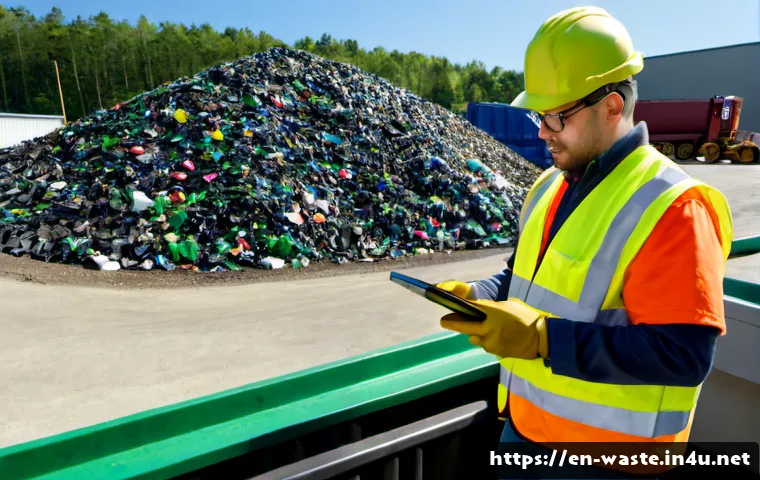
Can you believe we’re living in a world where robots are helping us recycle? It still blows my mind! I recently learned about how AI and robotics are completely transforming recycling facilities, and it’s genuinely exciting.
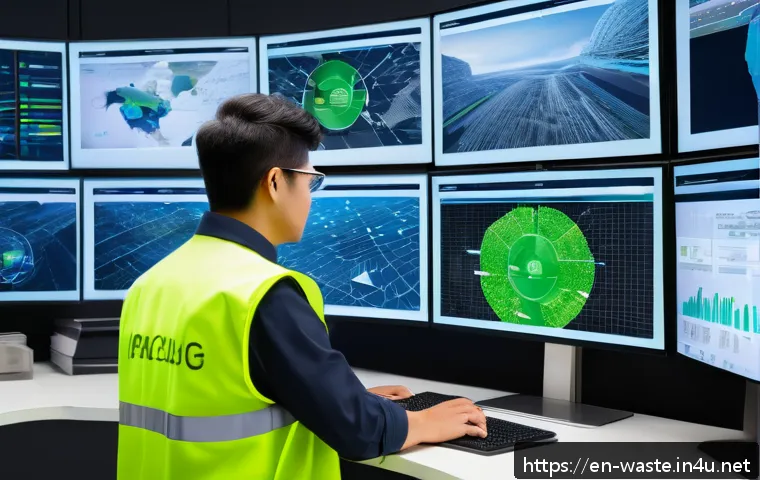
Traditional sorting can be so time-consuming and prone to human error, but these intelligent systems, equipped with AI vision and robotic arms, can identify and separate different materials with incredible precision and speed.
Imagine mixed waste streams being efficiently processed, with valuable materials like various types of plastics, metals, and even e-waste being accurately sorted and recovered.
This isn’t just about efficiency; it’s about making sure that more of our “waste” actually gets a second chance rather than ending up in a landfill. Companies are developing systems that can process tons of waste per hour, far surpassing what humans can do, and even operate 24/7.
It’s truly a huge leap forward for the recycling industry, making the process safer for workers and much more effective overall.
Innovations in Materials and the Circular Economy
Beyond sorting, the materials themselves are getting a high-tech makeover. I’m constantly impressed by the advancements in things like chemical recycling, which can break down complex plastics into their original building blocks, allowing them to be recycled almost infinitely without losing quality.
This is a game-changer for plastics that were once considered unrecyclable. Then there are biodegradable plastics and compostable packaging, which are designed to break down harmlessly, drastically reducing persistent waste.
What truly excites me is how these innovations feed into the concept of a circular economy. It’s a complete shift from our old “take-make-dispose” model to one where products are designed from the start to be reused, repaired, and recycled, keeping resources in use for as long as possible.
It’s a fundamental shift, and it’s truly exciting to see businesses and communities starting to embrace it. This isn’t just about recycling a bottle; it’s about rethinking the entire lifecycle of *everything* we consume.
Composting: Turning Scraps into Gold (and Saving the Planet!)
The Magic of Home Composting: My Personal Journey
Okay, I’ll admit it: the idea of composting always felt a little intimidating to me at first. I pictured smelly piles and attracting critters, but I was so wrong!
Starting a home composting routine has been one of the most rewarding changes I’ve made to reduce my household waste. It’s absolutely mind-blowing how much food waste we produce, and knowing that it can be transformed into rich, nutrient-dense soil instead of contributing to landfill methane emissions is incredibly motivating.
I started with a simple countertop bin for kitchen scraps—fruit peels, veggie trimmings, coffee grounds—and then moved them to an outdoor tumbler. It’s like a little science experiment in my backyard!
I’ve learned that it’s all about balance: mixing your “greens” (food scraps) with “browns” (dry leaves, shredded paper, cardboard) to create the perfect environment for those tiny decomposers.
The “black gold” that comes out is just incredible for my garden and houseplants. If you’ve got a garden, it’s truly a no-brainer, but even if you’re in an apartment, vermicomposting (using worms!) is a fantastic option.
It’s a small effort for a huge environmental impact, and my plants have never been happier!
Troubleshooting and Tips for Composting Success
Like any new endeavor, I hit a few bumps on my composting journey. There were times my pile was too wet and a bit smelly (oops!), or it just seemed to be doing nothing at all.
But I learned quickly that these are all fixable! If your compost starts to get a bit pungent, it usually means too much “green” material or not enough air.

A quick fix is to add more “browns” like dry leaves or shredded paper and give it a good turn to aerate it. If it’s too dry, a little water can do wonders.
Keeping the moisture level consistent, like a damp sponge, is key. I also make sure to bury any fresh food scraps deeper in the pile and top it with a layer of browns to deter pests and flies.
And don’t be afraid of the little critters you see—worms, beetles, and other decomposers are your compost allies! It’s about being observant and patient, and with a little practice, you’ll be creating beautiful compost in no time.
It’s truly a rewarding cycle, giving back to the earth what it gives to us.
Embracing the Circular Shift: A New Way to Think About Everything
From Linear to Loop: Understanding the Circular Economy
The concept of a circular economy might sound a bit academic, but trust me, it’s one of the most powerful ideas shaping our sustainable future, and it directly impacts how we manage waste.
For decades, our economy has operated on a linear model: “take, make, dispose.” We extract raw materials, manufacture products, use them, and then discard them, usually into a landfill.
It’s just not sustainable in the long run. The circular economy, on the other hand, is all about keeping resources in use for as long as possible. It’s a philosophy that designs out waste and pollution from the very beginning.
Instead of thinking about what happens *after* we use something, it asks: how can we design this product so it can be reused, repaired, or its materials completely recycled into something new?
It’s a fundamental shift, and it’s truly exciting to see businesses and communities starting to embrace it. This isn’t just about recycling a bottle; it’s about rethinking the entire lifecycle of *everything* we consume.
Real-World Examples of a Thriving Circular Economy
It’s easy to talk about big concepts, but what does the circular economy actually look like in action? I’ve seen some incredible examples that really bring this idea to life.
Take companies like Patagonia, for instance, with their “Worn Wear” program that encourages customers to repair and reuse their gear, and even offers repair services.
That’s a company truly committed to extending product life and reducing waste. Dell has also made huge strides in closed-loop recycling, taking discarded electronics and transforming them into new products, keeping those precious materials in circulation.
And then there’s the innovative “Plastic Bank,” which operates in developing countries, turning plastic waste into a form of currency for communities, effectively giving value to what was once considered trash and preventing it from entering our oceans.
Even at a local level, communities are implementing initiatives like city-wide organic waste collection and community recycling hubs. These aren’t just feel-good stories; they’re proof that designing for durability, repair, and true recyclability works, creates economic opportunities, and dramatically reduces our collective environmental footprint.
Your Wallet Will Thank You: The Unexpected Perks of Less Waste
Saving Money by Saying “No” and Choosing Wisely
Let’s be real, going green often comes with the perception of being expensive, but I’ve personally found the exact opposite to be true, especially when it comes to waste reduction.
One of the most immediate and tangible benefits I’ve experienced is the financial savings. When you actively work to reduce waste, you inherently start buying less.
It’s a simple equation: less consumption equals less spending. I’ve noticed a significant drop in my grocery bills by planning meals more carefully, avoiding impulse buys, and buying in bulk with my own containers.
All those single-use items like paper towels, plastic wrap, and disposable razors? They add up! Switching to reusable alternatives might have a small upfront cost, but over time, they save a surprising amount of money.
For example, investing in a good reusable water bottle or coffee cup saves you from countless $2-$5 purchases every week. It’s like giving yourself a raise by just making smarter choices!
Beyond Direct Savings: The Broader Financial Landscape
The financial benefits of reducing waste extend far beyond just direct purchases. Think about it: generating less waste means fewer garbage bags to buy, fewer trips to the curb, and if you’re in an apartment, potentially lower waste disposal fees.
I’ve also found that being more conscious about what I buy means I shop less frequently overall, saving on gas and reducing wear and tear on my car. Plus, the mindset of repairing items instead of immediately replacing them is a huge money-saver.
Why buy a new toaster if a simple fix can extend the life of your current one? This “repair culture” is gaining traction, and it’s brilliant for both your budget and the planet.
Some communities even offer incentives for recycling or tax benefits for green initiatives, which can put more money back in your pocket. It’s empowering to realize that every eco-friendly choice you make isn’t just good for the environment, it’s a smart financial decision that contributes to your long-term economic well-being.
| Waste Reduction Strategy | Environmental Impact | Personal Financial Benefit | Effort Level (1-5, 5 being highest) |
|---|---|---|---|
| Refuse Single-Use Items | Significantly reduces plastic pollution and landfill waste. | Eliminates recurring costs for disposable products like bags, straws, and coffee cups. | 2 |
| Composting Food Scraps | Diverts organic waste from landfills, reducing methane emissions; enriches soil. | Reduces need for chemical fertilizers; can lower waste collection fees. | 3 |
| Buying in Bulk | Minimizes packaging waste; reduces transportation emissions. | Often cheaper per unit, leading to long-term savings on groceries and staples. | 3 |
| Repairing & Upcycling | Extends product lifespan; reduces demand for new manufacturing and raw materials. | Saves money by avoiding new purchases; fosters creativity. | 4 |
| Mindful Consumption | Reduces overall resource depletion and waste generation. | Prevents impulse buys, leading to less spending on unnecessary items. | 2 |
Wrapping Things Up
The journey towards a smarter waste life is genuinely a transformative one, isn’t it? I hope sharing these personal insights has ignited some new ideas and encouraged you to make conscious choices. Remember, every step, no matter how small, contributes to a larger, positive change. It’s about progress, not perfection, and finding what resonates with your lifestyle. Keep experimenting, keep learning, and most importantly, keep enjoying the process of creating a life that reflects your values. We’re all in this together, making a real difference, one thoughtful decision at a time.
More Useful Insights for Your Journey
1. Embrace Digital: Think before you print! Opt for digital receipts, bills, and documents whenever possible. It’s not just convenient; it saves a surprising amount of paper and the resources used to produce it. Many banks and stores now make it incredibly easy to go paperless, and honestly, it makes managing finances and records so much tidier. Plus, you’ll never lose a receipt again!
2. Explore Repair Cafes: Before tossing a broken item, check if there’s a local “Repair Cafe” near you. These community-led initiatives bring together volunteers with repair skills and people who need things fixed – from electronics to clothing. It’s a fantastic way to extend the life of your belongings, learn new skills, and foster a sense of community, all while keeping things out of the landfill. I’ve had a few items lovingly mended this way.
3. Support Zero-Waste Businesses: Seek out and support local businesses that prioritize sustainability. This could mean grocery stores with bulk sections, cafes that encourage reusable cups, or shops that offer package-free goods. By spending your money with these establishments, you’re voting with your wallet and helping to grow the circular economy, making it easier for everyone to reduce their waste footprint.
4. Conduct a Waste Audit: If you’re serious about reducing waste, try a simple waste audit for a week or two. Just collect and observe what you’re actually throwing away. It can be incredibly eye-opening! You might discover patterns you weren’t aware of, like a surprising amount of food packaging or specific types of single-use items. This awareness is a powerful tool for targeting your biggest waste culprits and making more effective changes.
5. Educate and Inspire Others: One of the most impactful things you can do is share your journey and knowledge with friends, family, and your community. Talk about what you’re learning, the small changes you’re making, and the positive impacts you’re seeing. Lead by example without judgment. Your enthusiasm can be contagious, inspiring others to join the movement towards a more sustainable and waste-free lifestyle, creating a ripple effect that truly matters.
Key Takeaways for a Greener Life
As we wrap up our deep dive into living a smarter, less wasteful life, I truly hope you feel empowered and excited about the possibilities ahead. My personal journey has shown me that embracing the “refuse first” mindset, along with creatively reducing and reusing, isn’t just about environmental responsibility; it’s about a more intentional, financially savvy, and ultimately more fulfilling way of living. We’ve seen how simple shifts, like choosing a reusable coffee cup or composting kitchen scraps, can drastically reduce your environmental footprint while unexpectedly boosting your savings. Don’t forget the incredible innovations on the horizon, with AI and the circular economy fundamentally reshaping our approach to consumption and waste, offering a bright future where resources are valued and kept in circulation. It’s a testament to human ingenuity and our collective power to make a difference. Remember, this isn’t about perfection, but about mindful progress. Every conscious decision you make, every small habit you change, contributes to a healthier planet and a more sustainable lifestyle for all. Let’s continue to inspire each other and embrace this journey with open hearts and minds, knowing that our individual actions truly resonate and create a collective impact that benefits everyone.
Frequently Asked Questions (FAQ) 📖
Q: What’s the easiest way for me to start reducing waste at home without feeling completely overwhelmed?
A: This is such a fantastic question, and honestly, it’s one I hear all the time – and have asked myself countless times! It can feel super daunting when you look at all the waste we generate, and you might think you need to go “zero-waste” overnight, which, let’s be real, is a massive undertaking.
From my own experience, the absolute best way to start is with the “low-hanging fruit.” What I mean by that is tackling the most common culprits in your bin.
For me, it was always food waste and single-use plastics. Start small, my friends. For food waste, consider a small countertop compost bin.
You can often find them for around twenty to thirty dollars at places like Target or even online. It’s truly eye-opening how much less your main trash bin smells and fills up when you divert those scraps.
Plus, if you have a garden, free fertilizer! If not, many local communities have compost drop-off programs now. Just search “compost drop off near me” on Google!
For plastics, think about what you buy most often. Is it bottled water? Invest in a good reusable water bottle – seriously, it pays for itself in a few weeks and looks way cooler.
Coffee cups? Bring your own reusable mug to your favorite coffee shop; some even give you a discount! I remember feeling a genuine sense of accomplishment the first time I went a whole week without buying a single plastic water bottle.
It’s these small, consistent changes that build momentum and, before you know it, you’ll be noticing all sorts of opportunities to cut down your waste without even thinking about it.
Trust me, it feels incredibly empowering to take control of your impact, one conscious choice at a time.
Q: Why is everyone talking about the “circular economy” now, and how does it actually help with waste?
A: Oh, the circular economy! It sounds like a big, fancy economic term, right? But honestly, when you dig into it, it’s just a common-sense approach that our grandparents probably practiced without a fancy label.
Think about it this way: our current system is mostly “linear” – we take resources, make stuff, use it, and then throw it away. That’s a one-way street directly to the landfill, and it’s simply not sustainable with a growing global population and finite resources.
It genuinely hit me one day how much “stuff” we just toss out that still has value. The circular economy is essentially about keeping resources in use for as long as possible.
Instead of “take, make, dispose,” it’s more like “reduce, reuse, repair, refurbish, recycle.” It’s a complete mindset shift! Imagine a washing machine that isn’t just designed to work for five years and then be replaced, but one that’s designed to be easily repaired, upgraded, or even disassembled so its parts can be reused in new products.
It’s about products as a service, not just a one-time purchase. How does it help with waste? Massively!
By designing products for durability, repairability, and recyclability from the get-go, we dramatically reduce the amount of virgin resources we need to extract and the waste we generate.
It also fosters innovation in business models, creating new jobs in repair, remanufacturing, and recycling. I’ve seen some incredible local businesses popping up that are embracing this, like furniture refurbishment shops or clothing rental services, and it’s truly inspiring.
It’s about closing the loop, making sure materials stay in play and don’t become waste, which just makes so much sense when you think about our planet’s limited resources.
Q: Beyond just recycling, what are some truly “game-changing” strategies I can adopt to make a bigger impact on my environmental footprint?
A: This is where things get really exciting, because while recycling is important, it’s actually one of the last steps in the waste hierarchy! The real “game-changers” are often about preventing waste in the first place, or finding innovative ways to reuse and repair.
For me, moving beyond just sorting plastics and paper felt like unlocking a whole new level of eco-conscious living. One of the biggest shifts I’ve personally embraced is focusing on buying less and buying better.
Before I make a purchase, I now pause and ask myself: Do I really need this? Can I borrow it? Can I buy it second-hand?
This simple habit has saved me so much money and drastically reduced the amount of new stuff coming into my home. Think about hitting up thrift stores, local consignment shops, or online marketplaces like Facebook Marketplace or Gumtree for clothing, furniture, or even electronics.
You’d be amazed at the quality items you can find, often for a fraction of the price! Another huge one is embracing a “repair culture.” Instead of tossing out a broken toaster or a ripped pair of jeans, can it be fixed?
Look for local repair cafes or YouTube tutorials. I was genuinely surprised how easy it was to fix a loose connection on my blender with a simple screwdriver after watching a quick video.
It’s incredibly satisfying to give something a new lease of life. Also, consider conscious consumption of food – planning meals to reduce food waste, buying local and in-season to cut down on transportation emissions and packaging, and even growing some of your own herbs or veggies if you have the space.
These aren’t just trendy ideas; they’re powerful, actionable strategies that genuinely transform your footprint and, frankly, make you feel pretty amazing about your daily choices!