Ever felt that knot in your stomach when you’re studying for a high-stakes certification, knowing your future career hinges on it, but the grading system feels like a closely guarded secret?
Trust me, I’ve been there. In today’s world, the demand for skilled waste management professionals is skyrocketing, with exciting innovations from AI-powered sorting to cutting-edge circular economy strategies reshaping the industry at an incredible pace.
More than ever, obtaining a solid environmental waste management certification can unlock incredible opportunities and truly elevate your expertise. But here’s the kicker: it’s not just about mastering the subject matter.
It’s about truly understanding how your performance is measured, what examiners are *really* looking for, and how to strategically approach those complex questions.
I’ve seen countless brilliant minds stumble, not because they lacked knowledge, but because they didn’t quite grasp the nuances of the evaluation process.
Navigating these scoring intricacies, especially when considering the rigorous compliance and risk categories involved in environmental permits, can feel like a maze.
That’s why cracking the code of these grading systems is absolutely essential. We’re going to demystify it all, helping you confidently prepare and shine.
Let’s uncover the exact path to certification success together!
Decoding the Exam Blueprint: What Examiners Really Want

Okay, let’s peel back the layers on these certification exams, because honestly, they can feel like a riddle wrapped in an enigma sometimes, right? It’s not just about knowing a bunch of facts; it’s about understanding how your knowledge is actually being tested and what the folks crafting these exams are truly looking for. I remember my first big environmental certification attempt, I thought I had everything down pat, but I quickly realized that simply regurgitating textbook definitions wasn’t going to cut it. These exams are designed to test your ability to apply complex principles to real-world scenarios, a skill that’s invaluable in our field. Many certifications, like the Associate Environmental Professional (AEP) or the Certified Environmental and Safety Compliance Officer (CESCO), often feature around 100 questions and require a passing score in the 75-80% range.
Cracking the Code of Question Types
These exams aren’t just multiple-choice marathons. While you’ll certainly see those, you’ll also encounter questions that dive deep into practical applications, case studies, and even regulatory interpretations. They want to see if you can connect the dots. Are you able to not just identify a hazardous waste but also understand the entire chain of custody from generation to disposal, all while keeping EPA and OSHA regulations in mind? It’s about demonstrating a holistic understanding, not just isolated pieces of information. For example, a question might present a hypothetical scenario involving a waste spill and ask you to outline the immediate response steps, the required reporting, and the long-term remediation strategy. That’s where your practical knowledge truly shines through, demonstrating you can think on your feet, which is what we actually do out in the field.
The Hidden Weight of Your Answers: Where Points are Earned
Every section of these exams carries weight, and understanding that weight can dramatically shift your study focus. It’s often not evenly distributed. Topics like pollution prevention, emergency preparedness, hazardous materials management, and a deep understanding of environmental regulations are consistently high-priority areas. Think about it – in environmental waste management, compliance and safety are paramount. Missteps here can have severe financial and environmental consequences. So, when you’re tackling a question about waste classification, know that it’s not just about a simple definition; it’s about recognizing the gravity of misclassification, which can lead to significant fines. Examiners want to see that you grasp the criticality of these details, ensuring you’d be a responsible and knowledgeable professional once certified. This isn’t just a test of what you know; it’s a test of how well you can apply what you know responsibly.
More Than Memorization: The Power of Practical Application
Let’s be real: you can read every textbook under the sun, memorize every acronym, and still feel completely lost when faced with a real-world environmental challenge. That’s why these certifications, especially in our field, lean heavily into practical application. I’ve personally seen candidates who were brilliant on paper struggle when asked to analyze a complex waste stream or design a waste minimization strategy. It’s a completely different muscle you’re exercising. The environmental landscape is dynamic, with new technologies like AI-powered sorting and evolving circular economy strategies. Certifications are increasingly designed to ensure you’re not just a knowledge repository but an active problem-solver. This is where your hands-on experience, even if it’s from entry-level roles or internships, becomes absolutely invaluable.
Hands-On Experience: Your Secret Weapon
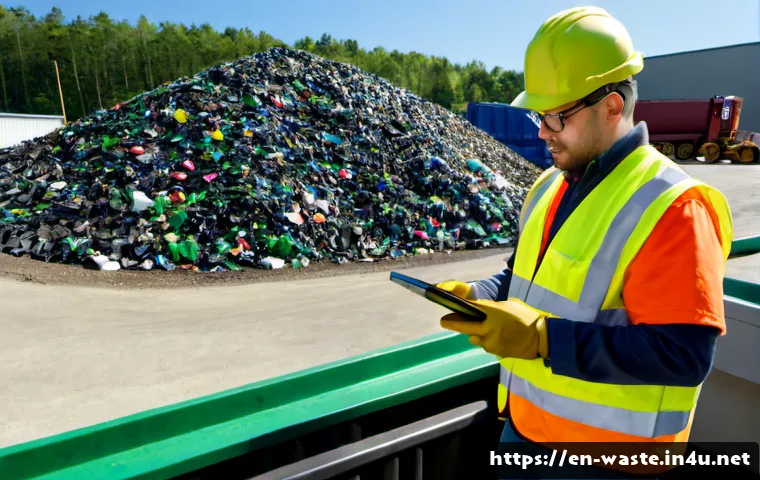
If there’s one piece of advice I can shout from the rooftops, it’s this: get your hands dirty! Actual experience in waste minimization, waste treatment and storage, or even understanding waste transportation makes a monumental difference. It grounds the theoretical knowledge you gain from books. When I was preparing for my Certified Waste Management Professional (CWMP) exam, I spent weeks shadowing a seasoned professional at a local recycling facility. Seeing how waste streams were segregated, labeled, and managed on a day-to-day basis brought the regulatory requirements to life in a way no textbook ever could. You start to intuitively understand why certain protocols are in place, not just what they are. This “muscle memory” of practical experience is what helps you articulate solutions with confidence and clarity during an exam, especially when dealing with scenario-based questions.
Thinking Like an Auditor: Compliance and Risk Management
This ties directly into practical application: you need to develop an “auditor’s eye.” Certification exams, particularly those focused on compliance roles like the CESCO, are designed to test your ability to identify potential risks and ensure adherence to regulations. When you’re studying, don’t just learn the rules; ask yourself, “If I were inspecting a facility, what would I look for?” For instance, regulations around hazardous waste containers aren’t just about labels; they’re about ensuring lids are leak-proof and vapor-tight, and that these containers are stored correctly. Many common mistakes in hazardous waste management stem from neglecting these seemingly small but critical details. By thinking proactively about compliance and risk, you’re not just preparing for an exam; you’re preparing for a successful career where you safeguard both the environment and your organization from potential liabilities.
Avoiding the Certification Calamity: Common Pitfalls to Sidestep
Look, we all make mistakes. It’s part of the learning process. But when it comes to high-stakes certification exams, some mistakes can be more costly than others. I’ve seen some incredibly bright people miss the mark, not because they weren’t smart enough, but because they fell into some surprisingly common traps. These aren’t always about a lack of knowledge; sometimes they’re about how you approach the exam itself or even how you’ve handled your preparation. It’s like training for a marathon: you can be in great shape, but if you don’t hydrate properly or pace yourself, you might not finish.
Misinterpreting the Question: A Costly Mistake
This one is huge! It sounds simple, but under exam pressure, it’s so easy to misread or skim a question and jump to conclusions. How many times have you looked back at a practice question and realized, “Oh, they were asking for the *least* effective method, not the *most* effective!” It happens to the best of us. This is especially true in environmental management where nuances in regulations or situational context can completely change the correct answer. For instance, questions on waste classification demand extreme accuracy because incorrect classification can lead to severe legal and environmental repercussions. My tip? Read every question twice. Underline keywords. Take a deep breath. Don’t let your brain fill in the blanks too quickly. It’s a fundamental test-taking skill, but it’s critically important when every point counts.
Time Management: Your Silent Assailant
You’ve studied for months, you know your stuff, but then you get into the exam room and suddenly, the clock becomes your worst enemy. It’s a classic scenario. Many environmental certification exams are timed, and some questions require more thought and analysis than others. If you spend too much time agonizing over one tricky question, you might run out of time for others you actually know the answers to. I’ve been there, staring at a complex regulatory scenario, trying to untangle all the variables, only to realize I had 10 minutes left for 20 questions! The key is practice tests. Not just to learn the material, but to train yourself on pacing. Learn to identify questions that will be quick wins and those that might require a bit more deliberation. Don’t be afraid to flag a question and come back to it if it’s eating up too much of your precious time.
Your Strategic Playbook for Exam Day Success
Alright, so we’ve talked about understanding the exam and avoiding common pitfalls. Now, let’s get into the nitty-gritty of how to really dominate on exam day. This isn’t just about cramming; it’s about smart preparation and a confident execution. Think of it like a sports game: you need to know the rules, understand your opponent, and have a solid game plan. Without a strategy, even the most talented player can falter under pressure. I’ve refined my own approach over several certifications, and these are the tactics that have consistently helped me perform my best.
Structure Your Thoughts: Clarity is King
When you’re faced with an essay or short-answer question, the examiner isn’t just looking for correct information; they’re looking for clear, organized thoughts. They want to see that you can articulate your understanding logically and concisely. For instance, if you’re asked about an emergency response plan for a hazardous waste spill, don’t just list actions. Structure your answer: start with immediate containment, then move to notification protocols, followed by long-term cleanup and reporting. Imagine you’re writing a brief for your boss or a regulatory agency – it needs to be professional, coherent, and leave no room for ambiguity. Practice outlining your answers before you write them, even for multiple-choice questions where you’re just verifying your mental structure. This habit builds clarity and confidence.
Keywords and Concepts: Speaking Their Language
Every field has its jargon, and environmental waste management is no exception. More than just knowing definitions, you need to understand the key concepts and be able to use the precise terminology that examiners expect. For example, knowing the nuances of “waste minimization” versus “pollution prevention,” or understanding the difference between “hazardous waste” classifications and their implications, is critical. Using the correct regulatory terms, referencing specific acts like RCRA (Resource Conservation and Recovery Act) or EPA guidelines where appropriate, shows a deep level of understanding and professionalism. It’s like speaking a secret handshake language; it signals to the examiner that you’re truly part of the environmental management community. Pay attention to these terms in your study materials and actively try to integrate them into your practice answers.
Unlocking Career Growth: The ROI of Environmental Certification

Let’s talk about the real reason many of us put ourselves through the grueling process of certification: career advancement. In today’s competitive job market, an environmental waste management certification isn’t just a nice-to-have; it’s often a game-changer. I vividly remember feeling stuck in a role that wasn’t challenging me, knowing I had more to offer. Getting my first certification wasn’t just about the piece of paper; it was about opening doors, gaining credibility, and feeling a surge of confidence in my own expertise. It’s an investment in yourself, and like any good investment, you want to see a return. The demand for qualified environmental professionals is skyrocketing due to evolving regulations and a global push for sustainability, making these certifications more valuable than ever.
Beyond the Paycheck: New Opportunities and Respect
Sure, increased salaries are a fantastic perk – and studies show that certified professionals often command higher pay. But it’s so much more than just a fatter paycheck. Certifications like the Registered Environmental Manager (REM) or Certified Professional in Waste Management (CPWM) can unlock a whole new world of opportunities. You might find yourself eligible for roles like Environmental Consultant, Sustainability Manager, or even Operations Vice President. These aren’t just promotions; they’re opportunities to take on more significant responsibilities, lead impactful projects, and genuinely contribute to a sustainable future. I’ve found that certification also brings a level of respect from peers and industry leaders. It signals that you’re serious about your craft and committed to continuous professional development. It’s a badge of honor that says, “I’ve put in the work, and I know my stuff.”
Staying Ahead: Continuous Learning in a Dynamic Field
The environmental field is constantly evolving. New regulations emerge, innovative technologies like AI in waste sorting change how we operate, and our understanding of environmental impacts deepens every year. Obtaining a certification isn’t the finish line; it’s more like a milestone on a continuous journey of learning. Many certifications require ongoing education or renewal every few years, which is a brilliant mechanism to ensure professionals stay current. This commitment to continuous learning keeps you sharp, ensures your skills remain relevant, and positions you as an invaluable asset to any organization. It’s about being proactive, not reactive, in a field where staying informed is paramount. This ongoing engagement allows you to adapt to new challenges and contribute to cutting-edge solutions, keeping your career trajectory moving onward and upward.
The Regulatory Maze: Why Compliance is Your Compass
Let’s be honest, talking about regulations isn’t always the most thrilling topic, but in our world, it’s absolutely non-negotiable. Environmental waste management is a field where the rules are not just guidelines; they are strict laws with serious consequences for non-compliance. Navigating this complex web of federal, state, and local regulations can feel like a labyrinth, and without a solid understanding, you’re essentially wandering in the dark. I’ve seen organizations face hefty fines and reputational damage all because of a seemingly minor regulatory oversight. Your certification demonstrates that you not only understand these rules but can actively ensure compliance, which is a huge asset to any employer. This isn’t just academic; it’s about protecting public health and the environment, which is, after all, why many of us got into this field.
Understanding Regulatory Frameworks: State, Federal, and Local
The landscape of environmental regulations is multi-layered. You have overarching federal laws, like those from the Environmental Protection Agency (EPA) and the Resource Conservation and Recovery Act (RCRA), that set national standards. Then, each state often has its own set of more specific, sometimes even stricter, regulations. And don’t forget the local ordinances! What’s permissible in one county might be a violation in another. Your certification journey will undoubtedly immerse you in these frameworks, teaching you how to interpret and apply them. For example, waste classification—determining if a material is hazardous or non-hazardous—is the foundational step upon which all other waste management requirements hinge, and it’s governed by these specific laws. Knowing how these layers interact and apply to different situations is crucial for any professional in waste management.
Risk Assessment and Mitigation: A Key Scoring Area
Examiners place a significant emphasis on your ability to identify, assess, and mitigate environmental risks. This isn’t just about memorizing potential hazards; it’s about demonstrating a strategic mindset. You need to show that you can anticipate problems before they occur and implement measures to prevent them or minimize their impact. Think about the common mistakes in hazardous waste management: improper labeling, unsealed containers, or a lack of emergency response plans. These aren’t just operational hiccups; they are significant risk factors that can lead to environmental contamination, employee injury, and legal battles. Your certification exam will challenge you to identify these risks and propose robust solutions. Being proficient in risk assessment isn’t just good for your score; it’s essential for ensuring safety and sustainability in the real world.
My Personal Path: Bumps, Breakthroughs, and Lessons Learned
I’ve walked this path, stumbled a few times, and ultimately found incredible satisfaction in achieving my certifications. It wasn’t always a smooth ride, and there were moments I questioned if I was cut out for it. But honestly, those challenges are what forged a deeper understanding and appreciation for this complex field. When I first started out, the sheer volume of information felt overwhelming. I remember staring at a mountain of regulatory documents, thinking, “How will I ever get all of this in my head?” The process taught me resilience and the importance of breaking down big goals into manageable steps. Every certified professional has their own war stories and “aha!” moments, and I’m no different.
My Own “Aha!” Moments During Prep
One of my biggest breakthroughs came when I stopped trying to memorize everything and started focusing on understanding the *why* behind the regulations. For instance, instead of just remembering that hazardous waste containers need to be closed, I began to visualize the consequences of an open container – spills, vapor release, potential fires, and ultimately, harm to workers and the environment. This shift in perspective made the rules less about arbitrary compliance and more about critical protection. Another “aha!” moment was realizing the sheer power of networking during my study groups. Discussing complex topics with peers who had different industry backgrounds illuminated blind spots in my own understanding and provided real-world examples that solidified theoretical concepts. It’s amazing how much you can learn from others who are on the same journey.
Turning Setbacks into Stepping Stones
Full disclosure: I didn’t pass my first specialized exam on the first try. It was deflating, to say the least. I felt like I had let myself down. But after licking my wounds, I decided to treat it not as a failure, but as incredibly valuable feedback. I reviewed the areas where I fell short, sought out additional resources, and even changed my study methods. That initial setback ultimately made me stronger and more determined. It taught me the importance of humility, reassessment, and perseverance. Many people give up after a first attempt, but I truly believe that the resilience you build from those moments is just as important as the knowledge you gain. It’s a testament to your commitment to the field and your personal growth, and honestly, that’s what makes a truly effective environmental professional.
| Certification Type (Example) | Primary Focus Area | Key Skills Tested | Career Impact |
|---|---|---|---|
| Associate Environmental Professional (AEP) | Entry-level environmental management, regulations | Environmental law, pollution prevention, hazardous materials management, emergency preparedness | Foundation for environmental careers, enhances entry-level job prospects |
| Certified Environmental & Safety Compliance Officer (CESCO) | Compliance with air, water, waste regulations | Regulatory interpretation, risk assessment, compliance auditing, safety protocols | Specialized roles in compliance, higher earning potential due to regulatory expertise |
| Registered Environmental Manager (REM) | Management of complex environmental projects | Environmental auditing, hazardous materials management & transportation, real estate assessment | Advanced leadership roles, project management, strategic environmental planning |
| Certified Waste Management Professional (CWMP) | Waste minimization, hazardous waste management, circular economy | Waste classification, treatment, storage, disposal, reporting, pollution prevention | Expertise in waste operations, contributes to sustainable practices, boosts specialized job opportunities |
Wrapping Up
So there you have it, folks! Navigating the world of environmental certifications can feel like a daunting journey, but with the right mindset and a clear strategy, it’s an incredibly rewarding one.
I truly believe that investing in your professional development through these certifications isn’t just about passing a test; it’s about cementing your expertise, opening doors to exciting new career paths, and ultimately, making a real difference in the vital field of waste management.
Keep learning, stay curious, and never underestimate the power of a well-earned credential to propel your career forward.
Helpful Tips You’ll Want to Know
1. Dive into Practical Experience Early: Don’t just hit the books; seek out internships, volunteer opportunities, or entry-level positions where you can get hands-on experience with waste streams, compliance protocols, and site assessments. Theory comes alive when you’ve felt the grit of it.
2. Master the “Why” Behind the “What”: Instead of rote memorization, strive to understand the underlying reasons for regulations and best practices. Why is hazardous waste segregation so critical? Why are emergency response plans so detailed? This deeper understanding makes learning easier and application more intuitive.
3. Simulate Exam Day Scenarios: Practice, practice, practice! Use timed mock exams not just to test your knowledge, but to refine your time management and test-taking strategies. This helps reduce anxiety and builds confidence, so you know exactly what to expect when it counts.
4. Build Your Professional Network: Connect with other environmental professionals. Join industry groups, attend webinars, or find a mentor. Discussing complex topics and sharing experiences can provide invaluable insights and support that go beyond what any textbook can offer.
5. Embrace Continuous Learning: The environmental landscape is always changing. New technologies, evolving regulations, and innovative solutions mean your learning journey never truly ends. View your certification as a springboard to ongoing education, keeping your skills sharp and relevant.
Key Takeaways
Certification in environmental waste management is more than just a credential; it’s a strategic investment in your future, significantly boosting your career prospects and professional credibility.
Success hinges not merely on theoretical knowledge, but on your ability to apply complex principles to real-world scenarios, navigate intricate regulatory frameworks, and proactively manage environmental risks.
Remember, every challenge you overcome in your preparation strengthens your expertise and confidence, positioning you as an invaluable asset in safeguarding our environment.
Frequently Asked Questions (FAQ) 📖
Q: So, what exactly goes into the grading system for these environmental waste management certifications? It always feels like such a black box!
A: Oh, trust me, I completely get that feeling! When I was first diving into these certifications, the grading process felt like a closely guarded secret, too.
But here’s the real scoop: it’s rarely just about hitting a magic number. While most certifications do have a clear passing score, the underlying structure is what truly matters.
You’ll typically encounter a blend of multiple-choice questions, which often test your foundational knowledge, and more complex scenario-based questions.
These scenarios are where the examiners really get to see how you apply your understanding to real-world problems – think about identifying a compliance breach or proposing a waste minimization strategy.
What I learned, and what truly made a difference for me, is that each section often carries a different weight. For instance, sections on regulatory compliance or risk assessment might be weighted more heavily than basic terminology.
They’re looking for your ability to not just recall facts, but to critically analyze situations and make sound, responsible decisions. It’s like they’re asking, “Can you really handle this in the field?” Once you start thinking about it that way, the “black box” starts to feel a lot more transparent, and you can strategize your study time much more effectively.
Q: Beyond just knowing the material, what are examiners really looking for in my answers, especially considering how complex environmental regulations can be?
A: That’s a fantastic question, and it’s where many brilliant minds can sometimes stumble if they’re not clued in. From my own experience, and from seeing what truly separates the successful candidates, examiners aren’t just looking for regurgitated facts.
They want to see your reasoning. Given the rigorous compliance and risk categories involved in environmental permits, they’re assessing your ability to think like a seasoned professional who understands the ‘why’ behind the ‘what.’ Can you connect the dots between a specific waste stream, its potential environmental impact, and the relevant federal or local regulations?
Are you able to identify potential risks and propose practical, effective mitigation strategies? They’re looking for critical thinking, problem-solving skills, and a solid ethical foundation.
For example, if a question presents a scenario about a hazardous waste spill, they want to see that you understand the immediate actions, reporting requirements, and long-term remediation considerations, not just that you know what a hazardous waste is.
It’s about demonstrating your capacity to navigate the intricate web of environmental management with confidence and competence. They want to be sure you’re someone they can trust to uphold environmental standards.
Q: With all the new innovations like
A: I sorting and circular economy strategies, how do I strategically approach studying for these exams so I’m prepared for everything, even the cutting-edge stuff?
A3: What an astute observation! The field is indeed evolving at an incredible pace, and it’s easy to feel overwhelmed by the sheer volume of information.
When I was prepping, I realized that rote memorization wasn’t going to cut it, especially with new concepts constantly emerging. My top strategic tip is to focus on understanding the underlying principles of waste management, rather than just isolated facts.
For instance, when you learn about AI-powered sorting, don’t just memorize what it does, but understand why it’s beneficial (efficiency, purity, safety), how it integrates into the broader waste stream, and its implications for resource recovery and circular economy principles.
Examiners are often more interested in your grasp of foundational concepts and your ability to adapt them to new technologies. I found it incredibly helpful to break down complex topics into their core components and then build outward.
Think about the “cradle-to-grave” or “cradle-to-cradle” philosophies and how new innovations fit into those frameworks. Also, don’t shy away from official study guides and practice exams – they’re golden for understanding the format and types of questions.
And honestly, reading industry publications and even watching documentaries on modern waste practices can illuminate these cutting-edge strategies in a way that makes them stick.
It’s about building a robust mental framework where new information can easily slot in, showing the examiners you’re not just a knowledge-recaller, but a forward-thinking professional.