You know, sometimes tackling waste feels like an uphill battle, doesn’t it? We’re all trying to do our part, whether it’s at home or in our businesses, but truly effective waste management can be surprisingly complex.
I’ve personally seen how a few smart changes can make a massive difference, not just for the planet but also for your bottom line. Forget those generic tips; today, we’re diving into real-world waste management strategies that businesses and even smart homeowners are implementing right now to cut costs, boost efficiency, and genuinely contribute to a more sustainable future.
If you’re ready to transform your approach to waste and unlock some serious savings and environmental wins, then you’re in the right place. Let’s dive deeper and uncover some truly actionable insights right below!
Beyond the Bin: Rethinking Your Waste Stream

You know, for years, I thought I had a pretty good handle on waste. Recycle the obvious, throw out the rest, right? But then I started digging a little deeper, especially when helping friends with their businesses, and realized we often miss so much.
It’s not just about what goes into the dumpster; it’s about understanding *what* it is, *why* it’s there, and *how* we can prevent it from becoming waste in the first place.
This realization was a game-changer for me, and I’ve seen it empower countless others. It’s like discovering a hidden superpower for your business and your wallet!
We’re talking about moving beyond the superficial and really getting to the root of the issue, which, trust me, is far more exciting and rewarding than it sounds.
Embracing this mindset has shifted my perspective entirely, and I’m convinced it can do the same for you and your operations. The beauty of it is that once you start seeing waste not just as trash, but as misplaced resources, a whole new world of possibilities opens up, making every small effort feel incredibly impactful.
Auditing Your Trash: What’s Really in There?
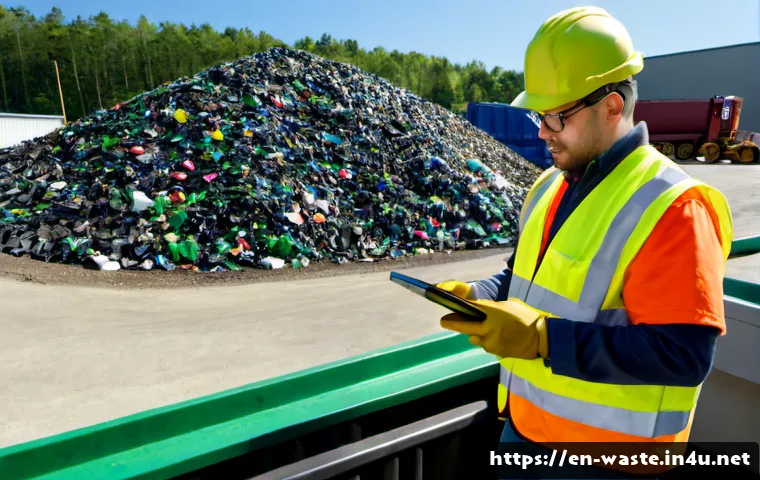
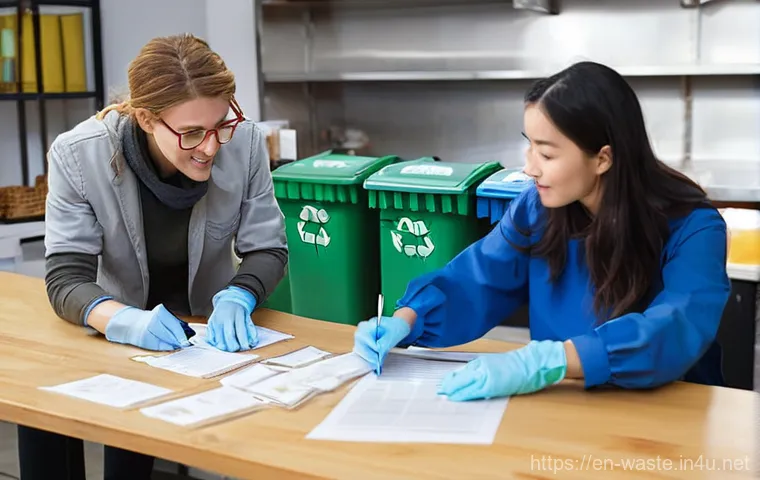
When I first suggested a “trash audit” to a small cafe owner, she looked at me like I was proposing we dig for gold. And in a way, we were! Actually sifting through what gets thrown away might sound gross, but it’s incredibly enlightening.
My experience has shown me that without a proper waste audit, you’re essentially flying blind. You think you know what you’re discarding, but the reality is often very different.
We pulled out perfectly good packaging, tons of food scraps that could have been composted, and even some mis-sorted recyclables. This hands-on approach revealed that over 30% of what they paid to have hauled away could have been diverted.
That’s a huge chunk of change just vanishing! I truly believe this is the foundational step for any serious waste reduction effort. It gives you concrete data, highlights your biggest waste culprits, and points you directly to where you can make the most significant impact.
It’s a bit messy, sure, but the insights you gain are invaluable and frankly, a bit thrilling when you see the potential for improvement. Trust me, it’s worth rolling up your sleeves for this one; the clarity it brings is unmatched.
The Power of Source Reduction: Less is More
Once you know what you’re throwing out, the next logical step, and one I’m passionate about, is source reduction. This means preventing waste from being created in the first place.
Think about it: if you never get it, you never have to dispose of it. For businesses, this can mean negotiating with suppliers for less packaging, opting for reusable containers, or switching to digital documents instead of printing.
I once worked with a consulting firm that was printing thousands of pages of reports annually. By simply moving to digital-first presentations and client portals, they drastically cut their paper waste and printing costs.
It seems simple, but the cumulative effect is massive. For homeowners, it’s about mindful purchasing – buying in bulk to reduce packaging, choosing products with minimal wrapping, or repairing items instead of replacing them.
It’s a shift in mindset from “how do I dispose of this?” to “do I even need this in the first place?” And I’ve found that this proactive approach is not just environmentally friendly; it often leads to significant cost savings and a much less cluttered life or workspace.
It’s about being intentional with every single item that enters your domain.
The Green Bottom Line: How Smart Waste Cuts Costs
Alright, let’s talk turkey. While saving the planet is a noble goal, let’s be honest, for businesses, the financial incentives are often what truly drive change.
And guess what? Smart waste management isn’t just good for the earth; it’s fantastic for your bottom line. I’ve personally seen companies shave thousands off their operational expenses simply by getting smarter about their waste.
It’s not magic; it’s just good business sense. Every piece of waste you produce has a cost attached to it, from the raw materials and energy used to create it, to the labor involved in handling it, and finally, the fees for its disposal.
By reducing, reusing, and recycling effectively, you’re directly impacting those costs, often in ways that surprise even seasoned finance managers. It’s a direct correlation: less waste equals less money out the door.
My own journey into this space started with a skepticism about the ROI, but after witnessing countless success stories, I’m a true believer. The initial investment in new systems or training often pays for itself surprisingly quickly, turning what seems like an environmental initiative into a powerful financial strategy.
Negotiating with Haulers: Unlocking Better Deals
This is where I often see businesses leaving money on the table. Many businesses simply accept the first quote from a waste hauler or stick with the same provider year after year without question.
But here’s a little secret: waste hauling is a competitive market, and negotiation is absolutely possible. I’ve helped clients significantly reduce their waste disposal costs just by understanding their waste streams better and then using that data to negotiate.
If you’ve done your waste audit, you know exactly how much landfill waste you have versus recyclables or compostables. Armed with this knowledge, you can approach haulers with specifics, potentially even bundling services.
For instance, if you can prove you’re producing less general waste and more high-value recyclables, you have leverage. Some haulers might even offer rebates for certain commodities!
It’s about being an informed consumer. Don’t be afraid to get multiple quotes, compare services, and highlight your proactive waste reduction efforts.
Your waste hauler is a business partner, and like any partnership, there’s room to optimize the agreement for mutual benefit. My advice? Don’t be shy; ask for a better deal.
Turning Waste into Resources: Revenue Streams You Didn’t Know Existed
This is probably the most exciting part for many business owners I work with. What if your “waste” wasn’t just a cost, but a potential source of income?
It sounds too good to be true, but I’ve seen it happen. For example, some businesses generate large volumes of specific materials like cardboard, wood pallets, or even certain types of plastics.
Instead of paying to dispose of these, you might find local recyclers or brokers willing to pay you for them. I remember helping a small manufacturing plant identify a buyer for their plastic scraps, which previously went straight to the landfill.
It wasn’t a fortune, but it offset their hauling costs significantly and felt incredibly rewarding. Beyond traditional recycling, consider upcycling opportunities.
Could your wood waste be turned into mulch or animal bedding by another company? Are there creative businesses looking for materials you discard? It’s about shifting your perception of “waste” to “resource.” It takes a bit of research and networking, but discovering these hidden revenue streams can be a powerful motivator and a fantastic talking point for your brand.
Tech-Driven Trash: Innovating Your Way to Less Waste
You know, sometimes it feels like the world of waste management is stuck in the past, all big trucks and overflowing bins. But that’s far from the truth!
We’re actually in an exciting era where technology is revolutionizing how we handle waste, making it smarter, more efficient, and often, less visible.
I’ve been fascinated by how innovations are helping businesses and even individuals make significant strides in reducing their environmental footprint.
It’s no longer just about separating your plastics; it’s about intelligent systems that learn from your habits, optimize collection routes, and even transform waste into entirely new products.
This isn’t science fiction anymore; it’s happening right now, and the adoption curve is getting steeper every day. What truly excites me is seeing how these advanced tools aren’t just for massive corporations; many are becoming accessible and affordable for small and medium-sized businesses too, democratizing the path to better sustainability.
Smart Sorting and Analytics: The Data-Driven Approach
One of the most impactful changes I’ve witnessed comes from smart sorting technologies and waste analytics. Gone are the days of purely manual sorting.
Now, advanced optical sorters can identify different materials at incredible speeds, vastly improving recycling purity. But it’s not just about the machines; it’s about the data they generate.
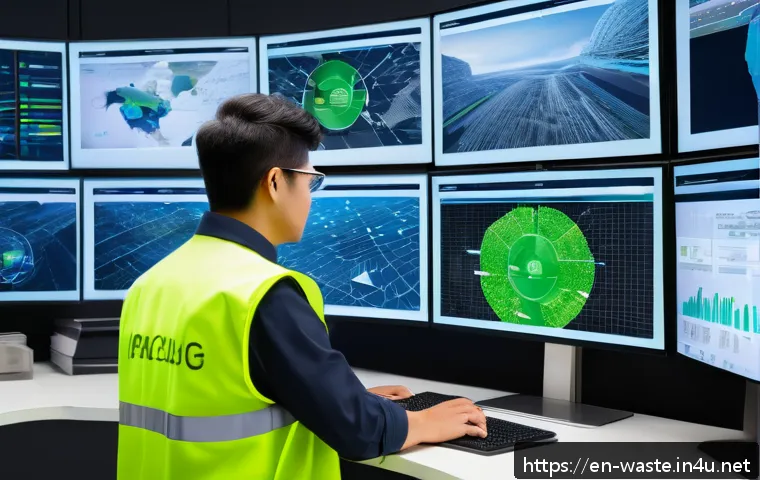
Imagine knowing precisely what percentage of your waste stream is organic, recyclable, or true landfill material, minute by minute. Sensors in bins can notify haulers when they’re full, optimizing collection routes and reducing fuel consumption and emissions.
I’ve seen businesses use this data to identify peak waste generation times, enabling them to adjust operations or implement targeted training. This data-driven approach moves waste management from a reactive chore to a proactive, strategic advantage.
It allows for continuous improvement and provides tangible metrics to demonstrate your sustainability efforts, which, let’s be honest, looks great for your brand!
Automated Composting & Anaerobic Digestion: High-Tech Solutions
For businesses with significant organic waste (think restaurants, grocery stores, food manufacturers), automated composting and anaerobic digestion systems are absolute game-changers.
I remember visiting a food processing plant that was sending tons of organic waste to landfills annually. They invested in an on-site anaerobic digester, which not only processed their food waste but also generated biogas that fueled some of their operations.
Talk about closing the loop! For smaller-scale operations, compact, automated composting machines can rapidly break down food scraps into nutrient-rich compost in a matter of hours or days, eliminating odors and reducing volume significantly.
These systems reduce disposal costs, often create a valuable byproduct, and drastically cut down on methane emissions, a potent greenhouse gas. It’s a fantastic example of how technology can transform a costly waste problem into a sustainable solution, sometimes even generating energy or fertilizer in the process.
The Circular Economy in Action: Reshaping Resource Use
If you haven’t heard the term “circular economy” yet, get ready, because it’s a concept that’s rapidly gaining traction and, frankly, changing how we think about everything we consume.
For me, it was one of those ‘aha!’ moments that completely reshaped my understanding of sustainability. Instead of our traditional linear model – take, make, dispose – the circular economy imagines a world where products, materials, and resources are kept in use for as long as possible, extracting their maximum value while in use, then recovering and regenerating products and materials at the end of each service life.
It’s about designing out waste and pollution, keeping products and materials in use, and regenerating natural systems. I’ve been exploring how businesses and individuals can actively participate in this, and it’s truly inspiring to see how it can transform both environmental impact and economic viability.
It’s a fundamentally optimistic vision that moves beyond simply minimizing harm to actively creating positive value.
Embracing Upcycling and Repurposing
This is where creativity meets sustainability, and I absolutely love it. Upcycling and repurposing aren’t just trendy craft hobbies; they’re powerful circular economy strategies.
Upcycling takes discarded materials and transforms them into something of higher value or quality. Think old shipping pallets becoming stylish furniture, or discarded truck tires turning into playground surfaces.
Repurposing, on the other hand, means finding a new use for an item in its current form. For businesses, this might mean donating old office furniture to a startup, or finding a second life for manufacturing byproducts.
I recently encountered a company that collects leftover fabric scraps from clothing manufacturers and turns them into beautiful, one-of-a-kind pet beds.
Not only does this divert waste from landfills, but it also creates unique products and often generates new revenue streams. It challenges you to look at “trash” and see potential, which is a fantastic exercise in innovation and really captures the spirit of true resourcefulness.
Designing for Durability and Disassembly
This is a principle that I believe every product designer and manufacturer should live by. In a linear economy, products are often designed for planned obsolescence – meaning they’re meant to break or become outdated quickly, forcing consumers to buy new ones.
The circular economy flips this on its head by emphasizing designing for durability, repairability, and eventual disassembly. Imagine a smartphone where every component can be easily replaced or upgraded, or a washing machine whose parts can be neatly separated for recycling at the end of its life.
This approach extends product lifespans, reduces the need for new raw materials, and simplifies end-of-life recovery. It’s a major shift, but I’ve seen forward-thinking companies adopting these principles, not just as a marketing gimmick, but as a core part of their product development.
It requires a commitment to quality and a long-term vision, but it ultimately creates more sustainable products that customers value, and it significantly cuts down on overall waste generation throughout the product lifecycle.
Building a Culture of Sustainability: Engaging Your Team

You know, all the fancy tech and clever strategies in the world won’t get you very far if your team isn’t on board. This is something I’ve learned firsthand: effective waste management isn’t just a top-down mandate; it’s a collective effort that thrives on enthusiasm and understanding.
I’ve seen businesses implement amazing recycling programs only to find them undermined by employees who just don’t ‘get it’ or, frankly, don’t care enough to sort properly.
That’s why building a strong culture of sustainability is absolutely crucial. It’s about empowering everyone, from the CEO to the newest intern, to feel like they have a role to play in the company’s environmental impact.
When people feel genuinely invested, the results are astonishing, not just in waste reduction, but often in morale and overall productivity too. It makes a huge difference when the whole team feels like they are part of something bigger and truly meaningful.
Educating and Empowering Employees
Education is the cornerstone of any successful sustainability initiative, in my opinion. It’s not enough to just put out new bins and expect magic. People need to understand *why* they’re doing what they’re doing and *how* to do it correctly.
My advice? Start with clear, consistent training sessions. Explain the company’s waste goals, show them the results of waste audits, and highlight the financial and environmental benefits.
Make it tangible. For example, show them what happens to their recycled plastic or food waste. One company I consulted with even took their team on a tour of a local recycling facility, and it was incredibly impactful.
Beyond formal training, provide clear signage above bins, share regular updates on progress, and make sure managers lead by example. Empowering employees means giving them the knowledge and tools to make the right choices effortlessly.
When they understand the ‘why,’ their commitment naturally follows.
Gamification and Incentives for Greener Habits
Who doesn’t love a little friendly competition or a reward for good behavior? I’ve found that gamification and incentives can be incredibly powerful motivators for fostering greener habits within an organization.
It transforms what might feel like a chore into an engaging challenge. Consider implementing a ‘Waste Reduction Challenge’ where different departments compete to achieve the highest diversion rates.
Track progress with visible dashboards and offer a small prize – maybe an extra day off, a team lunch, or a donation to a charity of their choice. Recognition is also key.
Highlight employees who consistently go above and beyond in their waste efforts. One business I know created a “Green Star” award for individuals or teams making notable contributions.
These initiatives not only boost participation but also create a positive, collaborative environment around sustainability. It makes the effort feel fun and rewarding, embedding greener habits naturally into the workplace culture.
Navigating Regulations: Staying Compliant and Ahead
Alright, let’s get real for a moment. While the environmental and financial benefits of smart waste management are compelling, there’s another, equally important driver: compliance.
The regulatory landscape around waste disposal is intricate and constantly evolving, and falling afoul of the rules can lead to hefty fines, reputational damage, and even legal action.
Trust me, you do not want to go there! I’ve seen businesses, large and small, stumble into trouble simply because they weren’t aware of the specific requirements for their industry or location.
It’s not always the most exciting part of the job, but understanding and proactively managing your regulatory obligations is absolutely non-negotiable.
It’s about protecting your business, your brand, and your peace of mind. Staying compliant isn’t just about avoiding penalties; it’s about operating responsibly and earning the trust of your community and customers.
Understanding Local and Federal Mandates
This is where the rubber meets the road. Waste management regulations can vary significantly depending on where you’re located – from federal laws governing hazardous waste to specific municipal bylaws about commercial recycling.
For instance, in some cities, commercial composting is mandatory for food-service businesses, while in others, it’s still voluntary. My advice is to dedicate time to thoroughly research the mandates that apply to your specific business and geographic area.
This might involve consulting local environmental agencies, trade associations, or even legal counsel specializing in environmental law. Pay close attention to rules regarding waste segregation, storage, transportation, and disposal.
Are there specific requirements for electronic waste, chemical waste, or construction debris? Keeping a centralized, updated record of all applicable regulations and ensuring your team is aware of them is absolutely crucial.
Ignorance is definitely not bliss when it comes to compliance.
Proactive Compliance: Avoiding Penalties and Building Reputation
Instead of just reacting to regulations, I always encourage businesses to adopt a proactive approach to compliance. This means not just meeting the minimum requirements but striving to exceed them.
Why? Because it demonstrates leadership, builds a strong reputation, and often positions you favorably for future regulatory changes. For example, if a mandatory recycling law is on the horizon for your industry, start implementing a robust program now.
This gives you time to iron out kinks and allows you to be an industry leader, rather than scrambling at the last minute. Regular internal audits of your waste management practices can help identify potential issues before they become problems.
I’ve also found that transparency with regulators, when appropriate, can go a long way. Proactive compliance isn’t just about avoiding fines; it’s about establishing your business as a responsible and trustworthy entity, which can significantly enhance your brand image and appeal to environmentally conscious customers and investors.
| Waste Management Strategy | Key Benefits | Typical Business Application | Potential ROI/Impact |
|---|---|---|---|
| Waste Auditing | Identifies waste streams, pinpoints reduction opportunities, baseline data for improvement. | Restaurants, retail, manufacturing, offices. | Up to 30% reduction in disposal costs, improved recycling rates. |
| Source Reduction | Prevents waste generation, reduces material costs, conserves resources. | Any business purchasing raw materials or supplies. | Significant savings on purchasing and disposal, reduced environmental footprint. |
| Recycling Optimization | Maximizes material diversion, potential for revenue from recyclables, reduced landfill fees. | All businesses with recyclable waste (paper, plastic, metal). | Reduced hauling costs, potential for commodity rebates, enhanced public image. |
| Composting Organics | Diverts food/yard waste from landfill, reduces methane emissions, creates valuable soil amendment. | Food service, grocery, landscaping, universities. | Reduced disposal costs for organic waste, potential for soil sales/use. |
| Supplier Engagement | Encourages suppliers to use less packaging, take back materials, improve product design. | Manufacturing, retail, any business with complex supply chains. | Reduced incoming waste, improved supply chain sustainability. |
Future-Proofing Your Business: Waste Management as a Strategic Advantage
You know, for too long, waste management was seen as just a necessary evil, a cost of doing business that nobody really wanted to think about. But those days are quickly fading into the rearview mirror.
What I’ve seen over and over again is that smart, forward-thinking businesses are now leveraging their waste management strategies not just to save money, but to actively gain a competitive edge.
It’s becoming a powerful strategic advantage that resonates with customers, attracts top talent, and even appeals to investors. In an increasingly environmentally conscious world, how you handle your waste says a lot about your values and your vision.
It’s no longer just about compliance; it’s about differentiation and building a resilient, responsible brand for the long haul. Businesses that embrace this shift aren’t just surviving; they’re thriving and setting themselves up for enduring success in a rapidly changing market.
Attracting Eco-Conscious Customers
This is huge, and I can’t emphasize it enough: consumers today, especially younger generations, are increasingly making purchasing decisions based on a company’s environmental and social impact.
They’re looking for brands that align with their values. If your business has a robust, transparent, and genuinely effective waste management program, you’re speaking directly to this growing demographic.
Imagine being able to proudly state that your company diverts 90% of its waste from landfills, or that all your packaging is compostable. These aren’t just feel-good statements; they’re powerful marketing tools.
I’ve seen small businesses gain significant market share just by highlighting their sustainable practices. It creates a deeper connection with customers who feel good about supporting a responsible brand.
It’s about building trust and loyalty, and in today’s crowded marketplace, that’s an invaluable asset.
Enhancing Brand Image and Investor Appeal
Beyond individual customers, your waste management practices significantly impact your overall brand image and, critically, your appeal to investors. In the world of finance, Environmental, Social, and Governance (ESG) factors are no longer niche considerations; they are mainstream drivers of investment decisions.
Investors are scrutinizing companies for their sustainability performance, including their waste footprint, because they understand that strong ESG practices correlate with lower risk and long-term financial stability.
A proactive, well-documented waste management strategy demonstrates good corporate governance, foresight, and a commitment to responsible operations. It signals to stakeholders that you’re managing risks, optimizing resources, and building a resilient business.
I’ve personally observed how a clear, compelling sustainability report (which includes detailed waste data) can open doors to new funding opportunities and partnerships.
It’s about demonstrating that your business is not just profitable, but also prepared for the future.
글을마치며
Whew! We’ve covered a lot of ground today, haven’t we? From digging through trash (literally!) to negotiating with haulers and even venturing into the tech-driven future of waste, it’s clear that managing our waste streams is far more than just throwing things away. For me, it’s been an incredible journey of discovery, realizing that every decision, no matter how small, has a ripple effect. It’s truly inspiring to see how a proactive approach can transform not just our environmental footprint, but also our financial health and even our team’s morale. So, here’s to embracing this journey, one smart waste decision at a time!
알아두면 쓸모 있는 정보
1. Start with a Waste Audit: You can’t manage what you don’t measure. Get a real picture of your waste to identify your biggest opportunities for reduction. This is the foundation for all your efforts, giving you a clear roadmap to follow and helping you pinpoint where your money is literally going into the bin.
2. Prioritize Source Reduction: The absolute best waste is the waste that’s never created. Always ask if you truly need an item or if there’s a less wasteful alternative before it even enters your premises. This proactive step saves money on both purchasing and disposal, a true win-win for your budget and the planet.
3. Engage Your Team: Sustainable practices thrive when everyone is on board. Educate your employees, make it fun with challenges, and celebrate successes. A collective effort not only boosts your waste diversion rates but also creates a more positive and collaborative workplace culture, fostering a sense of shared responsibility.
4. Don’t Be Afraid to Negotiate: Your waste hauler isn’t the only game in town. Use your waste audit data to negotiate better rates or explore alternative services. Understanding your waste streams gives you significant leverage, potentially turning a cost center into a more optimized and efficient operation that saves you money.
5. Look for Hidden Value: What you consider “trash” might be a valuable resource to someone else. Explore opportunities for upcycling, repurposing, or even selling certain waste materials. Turning waste into a new revenue stream is incredibly satisfying and demonstrates true circular economy thinking.
중요 사항 정리
At its core, effective waste management transcends simple disposal; it’s a strategic pillar for modern businesses and individuals alike. Embracing a proactive, data-driven approach to waste not only safeguards our environment but also unlocks substantial financial savings, enhances brand reputation, attracts eco-conscious customers, and boosts investor appeal. By viewing waste as a misplaced resource and integrating sustainable practices into operations, you’re not just complying with regulations; you’re future-proofing your business and contributing to a more resilient, circular economy.
Frequently Asked Questions (FAQ) 📖
Q: How can small businesses really tackle their waste problem and actually save some money while doing it? I mean, beyond just throwing things in a different bin, what are the actionable steps?
A: Oh, I totally get this question! It’s a common misconception that getting serious about waste management is just another expense for small businesses.
But let me tell you, from what I’ve seen working with so many businesses, it’s actually a goldmine for cost savings and even a reputation booster! The first thing I always recommend, hands down, is conducting a proper waste audit.
It sounds a bit formal, right? But think of it as taking a peek into your trash to see where your money is literally going. You’d be amazed at what you discover!
When I helped a local coffee shop do this, they found a huge amount of perfectly good packaging that was being discarded prematurely, and even compostable coffee grounds going into general waste.
Just by figuring out what you’re throwing away and in what quantities, you can identify so many opportunities to reduce waste at the source. Once you know your waste streams, you can get proactive.
Source reduction is key here – can you go paperless for some records? Can you buy supplies in bulk to cut down on packaging? Can you even switch to products with minimal or reusable packaging?
For instance, I know a boutique that started receiving their inventory in reusable totes instead of cardboard boxes, and their waste hauling costs plummeted!
Also, getting your team on board is crucial. Clear labeling for recycling bins, regular training, and making it easy for employees to segregate waste properly can seriously improve your recycling rates and reduce contamination.
Some businesses even set up internal “green teams” to champion these efforts, which I’ve found really builds a sense of community and shared purpose. And here’s a thought: if you’re in the food industry, look into commercial composting.
It might seem daunting, but it turns food scraps into a valuable resource, reduces landfill waste, and cuts down on disposal fees. Trust me, these aren’t just feel-good initiatives; they directly impact your bottom line and enhance your appeal to eco-conscious customers.
It’s a win-win, truly!
Q: As a homeowner, I want to do my part, but sometimes it feels overwhelming. What are some truly practical, quick tips I can implement right now to reduce waste and maybe even save some cash?
A: You are definitely not alone in feeling that way! It’s easy to get overwhelmed, but the good news is that even small, consistent changes at home can make a huge impact, both for the planet and your wallet.
I’ve been there myself, staring at a overflowing trash can and wondering where to even begin. My absolute favorite tip for homeowners is to get a handle on food waste – it’s a massive hidden cost!
Seriously, plan your meals for the week, stick to a shopping list, and consciously try to use up what you have before it spoils. That half-wilted spinach can still be a great addition to a smoothie, and those slightly soft bell peppers are perfect for a stir-fry!
I even take a quick photo of my fridge before I head to the grocery store so I don’t accidentally buy duplicates. It’s such a simple hack, but it saves me money and prevents food from going to waste.
Another big one? Ditch those disposables wherever you can. I know, single-use items are convenient, but they add up so fast!
Invest in a good reusable water bottle, a travel coffee mug, and some sturdy shopping bags. It feels a little different at first, but once you get into the habit, it becomes second nature.
You’ll quickly notice how much less goes into your trash bin, and those small savings on plastic bags or bottled water really do accumulate over time.
Think about making your own cleaning supplies too – vinegar, baking soda, lemon juice. Not only are they often cheaper, but you also cut down on plastic packaging and harsh chemicals.
It’s a triple win: less waste, more savings, and a healthier home environment! Trust me, once you start, you’ll feel so much better about your daily impact.
Q: We hear a lot about “recycling,” but what does “beyond recycling” really mean for waste management?
A: re there more advanced or deeper strategies we should be thinking about for a truly sustainable approach? A3: That’s an excellent question, and it really gets to the heart of what true sustainability means!
For so long, recycling has been the poster child of environmental efforts, and it’s definitely important. But honestly, just relying on recycling is like putting a band-aid on a much bigger issue.
To really move the needle, we need to think “beyond recycling” and embrace what’s often called a “circular economy” mindset. This means fundamentally rethinking how products are designed, used, and how their materials are recovered, rather than just disposing of them after a single use.
From my experience, one of the most impactful “beyond recycling” strategies is focusing on the “reduce” and “reuse” aspects much earlier in the product lifecycle.
This is where things like upcycling come in – taking discarded items and transforming them into something new and often higher value, giving them a second life instead of sending them to a landfill.
Think about old tires becoming garden planters, or forgotten textiles being turned into fashionable new garments. It’s incredibly creative and satisfying!
Also, consider the “repair” aspect. Before you replace a broken item, can it be fixed? Supporting local repair shops or learning basic DIY repairs can significantly extend product lifespans and keep items out of the waste stream.
For businesses, this can involve implementing “green procurement policies” – choosing suppliers who use minimal packaging or offer take-back programs for their products.
For all of us, it means becoming more conscious consumers, asking ourselves if we truly need something, choosing durable goods over disposable ones, and even borrowing or sharing items instead of buying them new if we only need them for a short time.
It’s about shifting our mindset from a linear “take-make-dispose” model to a circular one where resources are valued and kept in use for as long as possible.
It’s a journey, not a destination, but every step towards this circular ideal makes a monumental difference.