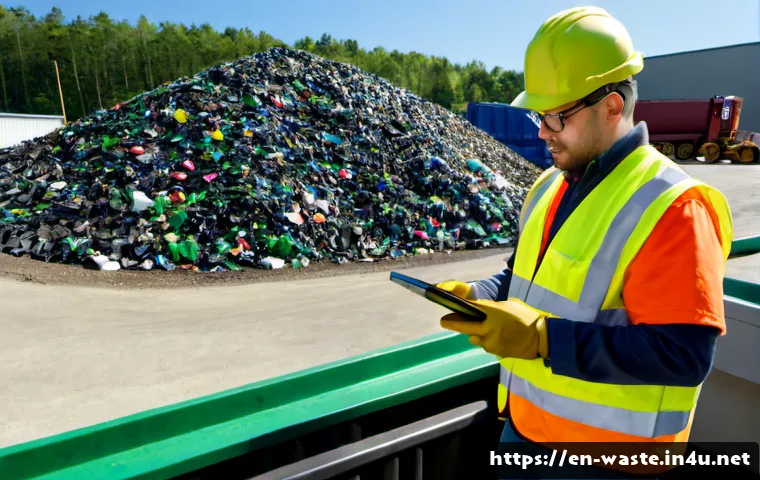
Hey everyone! You know, sometimes it feels like our trash bins fill up faster than we can empty them, right? It’s easy to just see waste as a problem, but what if I told you that the world of waste management is actually buzzing with incredible innovation, becoming a true frontier for sustainability?
I’ve been diving deep, and it’s clear that from smart sensors optimizing pickups to groundbreaking circular economy strategies, the industry is transforming how we think about our impact on the planet.
Businesses are truly stepping up, driven by both new regulations and a genuine desire to make a difference, turning what was once a burden into a massive opportunity.
It’s a complex landscape, but with the right guidance, anyone can navigate it. Let’s explore exactly how these pioneering waste management consulting cases are setting new standards for a greener future.
Hey there, eco-conscious friends! It’s wild to think how much our daily habits contribute to the larger waste picture, isn’t it? But seriously, if you’re a business owner or someone deeply invested in making a real impact, the shift happening in waste management is something you absolutely need to be on top of.
I’ve been digging into the latest trends, and honestly, what I’m seeing is nothing short of revolutionary. It’s not just about compliance anymore; it’s about smart, strategic moves that can actually boost your bottom line while doing right by the planet.
Let’s unravel some of the most innovative ways businesses are transforming their waste streams into valuable resources, guided by cutting-edge consulting.
Embracing the Era of Smart Waste Solutions

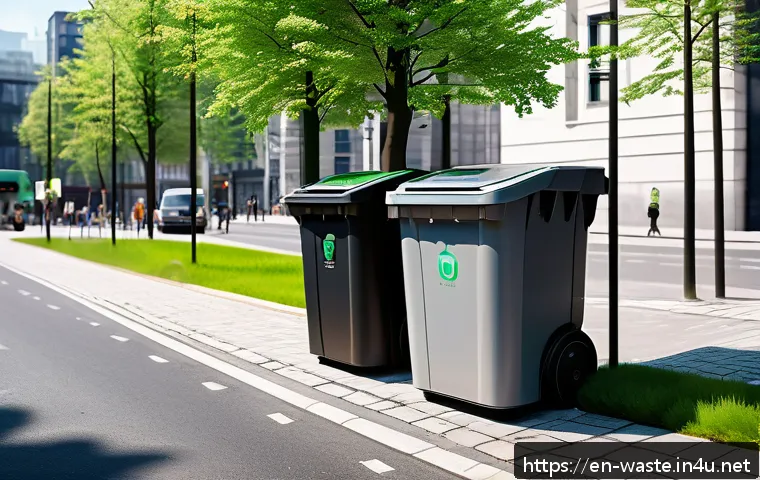
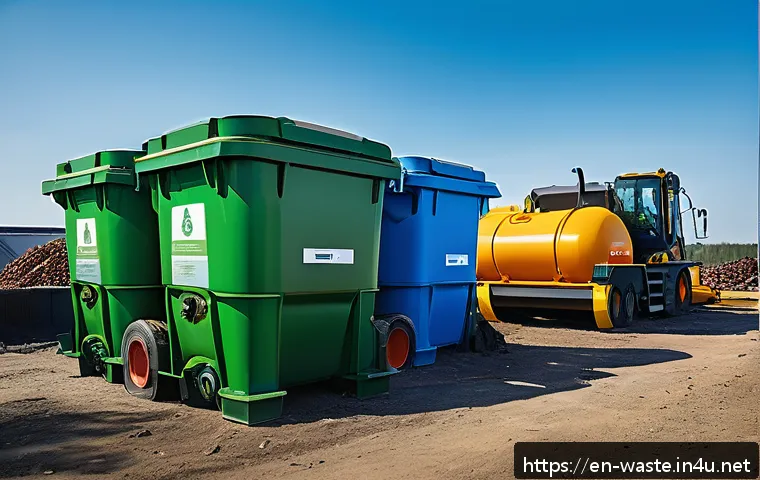
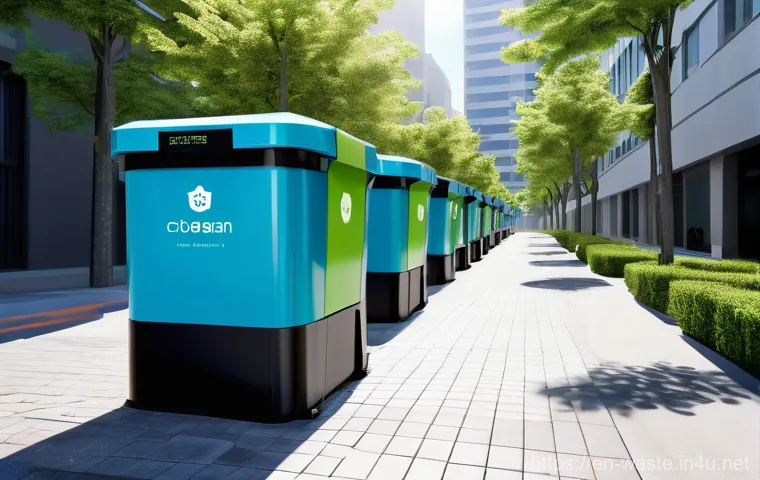
The days of just tossing everything into one big bin and hoping for the best are rapidly fading into history, and honestly, good riddance! We’re now in an exciting era where technology is making our waste systems incredibly intelligent. I’ve seen firsthand how smart bins, equipped with sensors, can completely change the game. Imagine a bin that tells the collection service when it’s full, instead of them driving around on a fixed schedule, picking up half-empty containers. This isn’t science fiction; it’s happening right now, thanks to IoT (Internet of Things) technology. These bins are seriously brilliant, leveraging GPS to optimize collection routes and even using sensors to monitor fill levels, temperature, and even detect contamination. It’s a game-changer for cities like Barcelona, which reportedly cut collection costs by 25% by deploying 20,000 smart bins.
And it’s not just bins! We’re talking about entire waste collection fleets managed by IoT, ensuring the most effective routes, optimizing fuel consumption, and keeping our cities cleaner. For businesses, this translates directly into reduced operational costs and a smaller carbon footprint – which, let’s be honest, looks great on your sustainability report! The data collected from these smart systems offers insights that were unimaginable just a few years ago. We can pinpoint inefficiencies, forecast waste generation patterns, and tailor our strategies for maximum impact. From my experience, companies that adopt these technologies aren’t just saving money; they’re truly becoming leaders in efficient and sustainable operations. It’s like turning a complex puzzle into a well-oiled machine, and who doesn’t love that feeling of efficiency?
Intelligent Bins and Collection Optimization
- These aren’t your grandma’s trash cans! Smart bins use ultrasonic or PIR sensors to monitor how full they are, sending real-time data to waste management teams. This means no more overflowing bins or unnecessary pickups, saving resources and reducing emissions.
- Beyond individual bins, AI and machine learning are being used for route optimization, making collection routes more efficient by analyzing traffic, weather, and waste generation data. This leads to significant fuel and cost savings.
- Some even have solar-powered compactors, allowing them to hold up to five times more waste, further reducing the frequency of collections and associated costs.
AI and Robotics in Waste Sorting
- Inside recycling facilities, AI-powered robots are revolutionizing how waste is sorted. They can identify and separate different materials with incredible accuracy and speed, far surpassing manual labor. This means higher quality recycled materials and less contamination.
- I’ve heard about systems like Bin-e in Poland, which uses AI object identification to automatically sort recyclables into different compartments, even compressing them afterward. This kind of innovation is boosting recovery rates and helping businesses meet stricter Extended Producer Responsibility (EPR) requirements.
- These robots aren’t just efficient; they’re also safer, taking on tasks that might be hazardous for human workers, thereby improving workplace safety and cleanliness.
The Circular Economy: Beyond Just Recycling
Okay, let’s get real for a moment. For a long time, “sustainability” in waste management mostly meant recycling, right? But the truly exciting shift I’ve been following is the move towards a full-blown circular economy. This isn’t just about diverting waste from landfills; it’s about fundamentally redesigning how we create, use, and recover products. It’s about seeing waste as a valuable resource, not just something to get rid of. Imagine products designed from the get-go to be reused, repaired, or easily recycled, minimizing waste throughout their entire lifecycle. Consulting firms are helping businesses embed these circular principles into their core strategy and culture, which is just brilliant. It involves everything from sourcing sustainable materials to implementing reverse logistics for product returns and reprocessing. For instance, companies like Unilever have committed to making all their plastic packaging recyclable or reusable by 2025. That’s not a small feat, and it shows a real commitment to circularity.
I genuinely believe this is where the biggest impact lies. When you rethink your entire value chain, you’re not just reducing waste; you’re often uncovering new revenue streams and boosting your brand’s image. Consumers, especially Gen Z, are increasingly demanding that companies take responsibility and lead the way to a sustainable future. It’s no longer just a “nice-to-have” but a strategic imperative. My own observation is that businesses embracing this are not just complying with regulations, but are actually future-proofing themselves and building incredible resilience in their operations. It’s about building a system where waste is eliminated, resources are kept in use, and natural systems are regenerated. It really feels like we’re moving towards a much more thoughtful way of interacting with the products we consume.
Designing Out Waste and Pollution
- This principle focuses on preventing waste from being created in the first place. Consultants help businesses rethink product and packaging development to incorporate circularity from the outset. This can mean using fewer virgin materials, designing for durability, repairability, and easy disassembly.
- Companies are exploring innovative materials, like biodegradable packaging or recycled plastics, that reduce the environmental impact from the very beginning of a product’s life cycle.
- It’s a huge shift from the traditional “take-make-dispose” model, moving towards a system where materials are kept in circulation for as long as possible.
New Business Models and Resource Recovery
- Circular economy consulting helps companies explore new business models, such as “product-as-a-service,” where customers pay for the use of a product rather than owning it. Think about leasing clothes or tools instead of buying them outright.
- It also involves creating efficient resource recovery and recycling systems that turn “waste” into valuable inputs for new products. This can include advanced recycling techniques for plastics or urban mining of e-waste to recover precious metals.
- I’ve seen how powerful this can be; it’s about unlocking entirely new revenue streams from materials that were once considered trash.
Leveraging Data and Analytics for Optimal Performance
You know how much I love a good data-driven insight, and in waste management, it’s absolutely paramount! The ability to collect and analyze waste data has become a game-changer, moving us beyond guesswork to truly optimized operations. Waste management consultants are using advanced analytics to identify inefficiencies that most businesses don’t even realize they have. They perform detailed waste audits, breaking down exactly what types and quantities of waste a company produces. This deep dive into waste streams allows them to spot opportunities for reduction, right-size containers, and fine-tune pickup schedules, which can lead to significant cost savings – sometimes up to 35% in disposal fees.
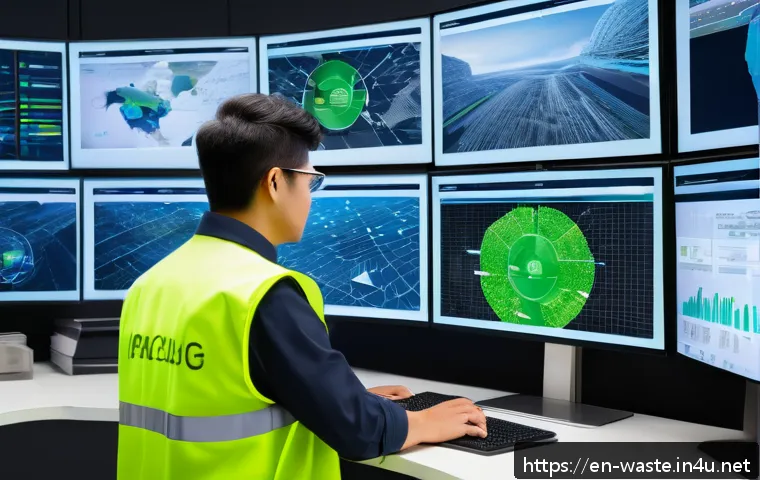
It’s not just about cutting costs, though. Data analytics also helps businesses track their progress toward sustainability goals and meet increasingly stringent ESG (Environmental, Social, and Governance) reporting requirements. I’ve personally seen companies transform their waste programs from a confusing mess into a strategic asset just by implementing robust data tracking. They gain real-time insights into waste generation, disposal patterns, and recycling rates, enabling them to make informed decisions and adapt their strategies proactively. It makes it easier to comply with regulations, but more importantly, it allows businesses to genuinely understand and improve their environmental impact, which, let’s face it, is what we all want.
Waste Audits and Stream Analysis
- Consultants conduct thorough on-site waste characterization and compliance audits, providing a clear picture of an organization’s current waste streams.
- This analysis helps pinpoint specific types and quantities of waste, identifying areas where waste generation can be reduced or diverted from landfills.
- The insights gained are crucial for developing targeted strategies, such as implementing new recycling programs or redesigning processes to minimize waste.
Predictive Analytics and Operational Efficiency
- Advanced AI algorithms and machine learning models analyze historical and real-time data to forecast waste generation patterns. This helps municipalities and companies allocate resources more effectively.
- Predictive analytics also optimizes collection routes and schedules, reducing fuel consumption, labor costs, and overall operational expenses. Some reports indicate up to 30% reduction in fuel costs through intelligent routing.
- By tracking key metrics and providing transparent reports, businesses can easily meet compliance standards and demonstrate their commitment to sustainability.
Navigating Complex Regulatory Landscapes
Let’s be honest, staying on top of environmental regulations can feel like a full-time job in itself, right? The landscape is constantly evolving, with new laws and requirements popping up all the time. That’s where waste management consultants really shine, offering invaluable expertise to help businesses navigate these intricate waters. They don’t just tell you what the rules are; they help you implement strategies to comply, ensuring you avoid hefty fines and protect your company’s reputation. I’ve seen situations where companies, through no fault of their own, were simply unaware of specific local or state regulations, leading to unnecessary penalties. Consultants are well-versed in the laws and regulations of each area when it comes to waste disposal, helping companies avoid breaking local laws.
Beyond basic compliance, they help businesses implement proactive measures like Extended Producer Responsibility (EPR) programs, which hold manufacturers accountable for the entire lifecycle of their products. This incentivizes companies to design products that are easier to recycle and have a lower environmental footprint. I find this especially critical because it pushes companies to think holistically. For example, major regulatory changes like California’s SB 54, which requires manufacturers to ensure packaging is recyclable or compostable by 2025, are driving significant operational changes. Having an expert guide through these transitions is truly essential, not just for legal reasons, but for building a resilient and responsible business model that aligns with growing consumer and investor expectations. It’s about being ahead of the curve, not playing catch-up.
Ensuring Compliance and Risk Reduction
- Waste management consultants provide expert advice on aligning with industry regulations, helping businesses meet environmental goals and avoid legal pitfalls.
- They stay updated on evolving local, state, and federal waste management laws, ensuring companies are always in compliance and minimizing the risk of fines due to improper disposal.
- This expert guidance reduces regulatory risk and fortifies a company’s commitment to sustainable practices.
Extended Producer Responsibility (EPR) and Policy Integration
- EPR programs are a significant trend, holding manufacturers accountable for the entire lifecycle of their products, from design to end-of-life disposal. Consultants assist in developing and implementing these programs.
- This shift encourages the development of eco-friendly packaging and products that are easier to recycle or reuse, embedding sustainability into product design.
- By integrating these policies, businesses can enhance their differentiation and uphold their status as environmentally conscious enterprises.
Investing in Sustainable Waste Technologies
If you’re anything like me, you get a thrill from seeing genuinely smart investments, and right now, the sustainable waste technology sector is absolutely buzzing! It’s not just about managing waste; it’s about transforming it into valuable resources. We’re seeing incredible advancements that are making waste-to-energy solutions more efficient and environmentally friendly than ever before. Think about anaerobic digestion, gasification, or pyrolysis—these aren’t just fancy terms; they’re technologies converting waste into electricity or heat, significantly reducing landfill burden and offering renewable energy sources. I mean, turning trash into power? That’s just brilliant!
Then there’s the whole field of advanced recycling, which is just blowing my mind. We’re talking about chemical plastic recycling, or even plastic-eating microbes that can decompose plastic waste. It’s a testament to human ingenuity. Businesses that invest in these cutting-edge technologies aren’t just meeting sustainability goals; they’re often creating new revenue streams and dramatically improving their operational efficiency. I’ve heard of companies leveraging these solutions to not only reduce their waste footprint but also gain a competitive edge by being at the forefront of innovation. It’s truly inspiring to see how technology is enabling us to rethink what’s possible with waste, transforming it from a problem into an opportunity for growth and sustainability. This isn’t just about being green; it’s about being smart with our resources.
Waste-to-Energy Innovations
- Advanced thermal conversion technologies, like gasification and pyrolysis, are converting non-recyclable waste into syngas, dramatically reducing waste volume and generating energy.
- Anaerobic digestion processes are harnessing biogas from organic waste, providing a renewable energy source while managing food waste effectively.
- These innovations reduce reliance on traditional landfills, minimize environmental impact, and offer a sustainable way to handle waste.
Advanced Recycling and Material Recovery
- New technologies are enhancing the efficiency and effectiveness of recycling processes. We’re talking about everything from AI-powered robotic sorting systems to chemical recycling methods.
- The concept of “urban mining” for e-waste is gaining traction, where valuable metals like gold, silver, and copper are extracted from discarded electronics, diverting them from landfills and supporting a circular economy.
- These advancements significantly increase material recovery rates, ensuring more materials are kept in circulation and less raw material is extracted.
Building a Culture of Sustainability Through Engagement
You know, all the fancy tech and clever strategies in the world won’t get us anywhere if people aren’t on board. That’s why I’m always talking about the human element – building a genuine culture of sustainability within an organization. It’s about empowering employees, educating them, and making them feel like an integral part of the solution. Waste management consulting isn’t just about audits and reports; it’s also about providing training on best practices and fostering company-wide buy-in for waste initiatives. I’ve observed that when employees are actively engaged, it leads to significant increases in recycling rates and reductions in overall waste. It’s not just a top-down mandate; it’s a shared mission.
Think about it: when people understand *why* they’re segregating waste, or *how* their efforts contribute to bigger sustainability goals, they’re far more likely to participate enthusiastically. Case studies, like the Zero Waste Initiative in San Francisco, highlight the importance of comprehensive recycling programs and mandatory composting, but also heavily emphasize public participation and education. It’s about making it easy and understandable for everyone. Creating a sustainable workplace boosts morale and helps achieve those waste reduction goals more effectively. It’s a holistic approach that connects the dots between individual actions and a company’s broader environmental impact, and honestly, that’s incredibly powerful. When everyone feels ownership, the results are truly transformative.
Employee Training and Empowerment
- Consultants often support employee engagement by providing training on best practices for waste reduction and sorting, fostering long-term program effectiveness.
- Involving employees in waste audits and sustainability initiatives can provide firsthand experience, fostering a deeper understanding and commitment to sustainable practices.
- This empowerment leads to increased participation, higher recycling rates, and a reduction in overall waste generated.
Community and Stakeholder Collaboration
- Effective waste management often extends beyond a company’s internal operations to involve collaboration with local communities, suppliers, and other stakeholders.
- Partnerships with sustainable waste management firms and community engagement initiatives are crucial for successful waste diversion programs.
- Educating the broader community and fostering public participation, as seen in cities like Indore, India, which became a model for sustainable waste management, is key to achieving significant environmental impact.
Future-Proofing Your Business with a Strategic Waste Plan
It’s clear, isn’t it? Waste management is no longer just a side task; it’s a crucial, strategic business function that directly impacts your costs, efficiency, compliance, and even your reputation. I’ve talked to so many business leaders who initially saw waste as just an expense, but once they embraced a strategic approach, they realized it was a massive opportunity. A skilled waste management consultant helps you take control of your entire waste and recycling program by uncovering hidden liabilities, cutting unnecessary costs, and implementing smarter technologies. It’s about turning what was once a burden into a competitive advantage.
Looking ahead to 2025 and beyond, the trends are crystal clear: intelligent waste analytics, automated compliance management, and circular economy solutions are becoming non-negotiable. Companies that embrace these changes are poised to gain market share, attract eco-conscious consumers, and build a more resilient business. It’s about more than just meeting sustainability goals; it’s about optimizing the entire health and efficiency of your operations. From my perspective, future-proofing your business means actively integrating sustainable practices, not just as a checkbox, but as a core part of your strategy. This isn’t just about saving the planet; it’s about building a healthier, more profitable business for the long haul. It’s an exciting journey, and the payoff, both environmental and financial, is truly worth it.
Integrating ESG and Sustainability Goals
- The shift towards Environmental, Social, and Governance (ESG) accountability is accelerating, making waste management solutions key drivers for organizations to meet their sustainability goals.
- Waste management consulting helps businesses not only gather actionable insights on waste streams but also generate automated ESG metrics for transparent reporting to stakeholders.
- This data-driven approach empowers organizations to showcase their progress in reducing carbon footprints and fostering circular economies, enhancing investor and consumer confidence.
Long-Term Cost Savings and Value Creation
- By identifying inefficiencies, optimizing collection, and increasing recycling, consultants help businesses achieve significant cost savings in waste disposal and operational expenses.
- Beyond cost reduction, a strategic waste plan can create new value through resource recovery, new product development, and enhanced brand image, attracting eco-conscious customers.
- The global waste management market is projected to grow significantly, indicating that investing in smart waste strategies now is a smart move for long-term growth and efficiency.
| Aspect | Traditional Waste Management | Modern Waste Management Consulting |
|---|---|---|
| Primary Focus | Disposal and Compliance | Resource Optimization, Sustainability, Value Creation |
| Technology Use | Limited or manual tracking | IoT sensors, AI, Robotics, Data Analytics |
| Cost Approach | Fixed costs, overlooked expenses | Cost reduction through efficiency & audits (up to 35% savings) |
| Regulatory Engagement | Reactive, compliance-driven | Proactive, strategic, risk-averse, EPR integration |
| Environmental Impact | Minimizing negative impact | Positive impact, circularity, carbon footprint reduction |
| Business Opportunity | Expense, necessary evil | Competitive advantage, new revenue streams, brand enhancement |
Embracing the Era of Smart Waste Solutions
The days of just tossing everything into one big bin and hoping for the best are rapidly fading into history, and honestly, good riddance! We’re now in an exciting era where technology is making our waste systems incredibly intelligent. I’ve seen firsthand how smart bins, equipped with sensors, can completely change the game. Imagine a bin that tells the collection service when it’s full, instead of them driving around on a fixed schedule, picking up half-empty containers. This isn’t science fiction; it’s happening right now, thanks to IoT (Internet of Things) technology. These bins are seriously brilliant, leveraging GPS to optimize collection routes and even using sensors to monitor fill levels, temperature, and even detect contamination. It’s a game-changer for cities like Barcelona, which reportedly cut collection costs by 25% by deploying 20,000 smart bins.
And it’s not just bins! We’re talking about entire waste collection fleets managed by IoT, ensuring the most effective routes, optimizing fuel consumption, and keeping our cities cleaner. For businesses, this translates directly into reduced operational costs and a smaller carbon footprint – which, let’s be honest, looks great on your sustainability report! The data collected from these smart systems offers insights that were unimaginable just a few years ago. We can pinpoint inefficiencies, forecast waste generation patterns, and tailor our strategies for maximum impact. From my experience, companies that adopt these technologies aren’t just saving money; they’re truly becoming leaders in efficient and sustainable operations. It’s like turning a complex puzzle into a well-oiled machine, and who doesn’t love that feeling of efficiency?
Intelligent Bins and Collection Optimization
- These aren’t your grandma’s trash cans! Smart bins use ultrasonic or PIR sensors to monitor how full they are, sending real-time data to waste management teams. This means no more overflowing bins or unnecessary pickups, saving resources and reducing emissions.
- Beyond individual bins, AI and machine learning are being used for route optimization, making collection routes more efficient by analyzing traffic, weather, and waste generation data. This leads to significant fuel and cost savings.
- Some even have solar-powered compactors, allowing them to hold up to five times more waste, further reducing the frequency of collections and associated costs.
AI and Robotics in Waste Sorting

- Inside recycling facilities, AI-powered robots are revolutionizing how waste is sorted. They can identify and separate different materials with incredible accuracy and speed, far surpassing manual labor. This means higher quality recycled materials and less contamination.
- I’ve heard about systems like Bin-e in Poland, which uses AI object identification to automatically sort recyclables into different compartments, even compressing them afterward. This kind of innovation is boosting recovery rates and helping businesses meet stricter Extended Producer Responsibility (EPR) requirements.
- These robots aren’t just efficient; they’re also safer, taking on tasks that might be hazardous for human workers, thereby improving workplace safety and cleanliness.
The Circular Economy: Beyond Just Recycling
Okay, let’s get real for a moment. For a long time, “sustainability” in waste management mostly meant recycling, right? But the truly exciting shift I’ve been following is the move towards a full-blown circular economy. This isn’t just about diverting waste from landfills; it’s about fundamentally redesigning how we create, use, and recover products. It’s about seeing waste as a valuable resource, not just something to get rid of. Imagine products designed from the get-go to be reused, repaired, or easily recycled, minimizing waste throughout their entire lifecycle. Consulting firms are helping businesses embed these circular principles into their core strategy and culture, which is just brilliant. It involves everything from sourcing sustainable materials to implementing reverse logistics for product returns and reprocessing. For instance, companies like Unilever have committed to making all their plastic packaging recyclable or reusable by 2025. That’s not a small feat, and it shows a real commitment to circularity.
I genuinely believe this is where the biggest impact lies. When you rethink your entire value chain, you’re not just reducing waste; you’re often uncovering new revenue streams and boosting your brand’s image. Consumers, especially Gen Z, are increasingly demanding that companies take responsibility and lead the way to a sustainable future. It’s no longer just a “nice-to-have” but a strategic imperative. My own observation is that businesses embracing this are not just complying with regulations, but are actually future-proofing themselves and building incredible resilience in their operations. It’s about building a system where waste is eliminated, resources are kept in use, and natural systems are regenerated. It really feels like we’re moving towards a much more thoughtful way of interacting with the products we consume.
Designing Out Waste and Pollution
- This principle focuses on preventing waste from being created in the first place. Consultants help businesses rethink product and packaging development to incorporate circularity from the outset. This can mean using fewer virgin materials, designing for durability, repairability, and easy disassembly.
- Companies are exploring innovative materials, like biodegradable packaging or recycled plastics, that reduce the environmental impact from the very beginning of a product’s life cycle.
- It’s a huge shift from the traditional “take-make-dispose” model, moving towards a system where materials are kept in circulation for as long as possible.
New Business Models and Resource Recovery
- Circular economy consulting helps companies explore new business models, such as “product-as-a-service,” where customers pay for the use of a product rather than owning it. Think about leasing clothes or tools instead of buying them outright.
- It also involves creating efficient resource recovery and recycling systems that turn “waste” into valuable inputs for new products. This can include advanced recycling techniques for plastics or urban mining of e-waste to recover precious metals.
- I’ve seen how powerful this can be; it’s about unlocking entirely new revenue streams from materials that were once considered trash.
Leveraging Data and Analytics for Optimal Performance
You know how much I love a good data-driven insight, and in waste management, it’s absolutely paramount! The ability to collect and analyze waste data has become a game-changer, moving us beyond guesswork to truly optimized operations. Waste management consultants are using advanced analytics to identify inefficiencies that most businesses don’t even realize they have. They perform detailed waste audits, breaking down exactly what types and quantities of waste a company produces. This deep dive into waste streams allows them to spot opportunities for reduction, right-size containers, and fine-tune pickup schedules, which can lead to significant cost savings – sometimes up to 35% in disposal fees.
It’s not just about cutting costs, though. Data analytics also helps businesses track their progress toward sustainability goals and meet increasingly stringent ESG (Environmental, Social, and Governance) reporting requirements. I’ve personally seen companies transform their waste programs from a confusing mess into a strategic asset just by implementing robust data tracking. They gain real-time insights into waste generation, disposal patterns, and recycling rates, enabling them to make informed decisions and adapt their strategies proactively. It makes it easier to comply with regulations, but more importantly, it allows businesses to genuinely understand and improve their environmental impact, which, let’s face it, is what we all want.
Waste Audits and Stream Analysis
- Consultants conduct thorough on-site waste characterization and compliance audits, providing a clear picture of an organization’s current waste streams.
- This analysis helps pinpoint specific types and quantities of waste, identifying areas where waste generation can be reduced or diverted from landfills.
- The insights gained are crucial for developing targeted strategies, such as implementing new recycling programs or redesigning processes to minimize waste.
Predictive Analytics and Operational Efficiency
- Advanced AI algorithms and machine learning models analyze historical and real-time data to forecast waste generation patterns. This helps municipalities and companies allocate resources more effectively.
- Predictive analytics also optimizes collection routes and schedules, reducing fuel consumption, labor costs, and overall operational expenses. Some reports indicate up to 30% reduction in fuel costs through intelligent routing.
- By tracking key metrics and providing transparent reports, businesses can easily meet compliance standards and demonstrate their commitment to sustainability.
Navigating Complex Regulatory Landscapes
Let’s be honest, staying on top of environmental regulations can feel like a full-time job in itself, right? The landscape is constantly evolving, with new laws and requirements popping up all the time. That’s where waste management consultants really shine, offering invaluable expertise to help businesses navigate these intricate waters. They don’t just tell you what the rules are; they help you implement strategies to comply, ensuring you avoid hefty fines and protect your company’s reputation. I’ve seen situations where companies, through no fault of their own, were simply unaware of specific local or state regulations, leading to unnecessary penalties. Consultants are well-versed in the laws and regulations of each area when it comes to waste disposal, helping companies avoid breaking local laws.
Beyond basic compliance, they help businesses implement proactive measures like Extended Producer Responsibility (EPR) programs, which hold manufacturers accountable for the entire lifecycle of their products. This incentivizes companies to design products that are easier to recycle and have a lower environmental footprint. I find this especially critical because it pushes companies to think holistically. For example, major regulatory changes like California’s SB 54, which requires manufacturers to ensure packaging is recyclable or compostable by 2025, are driving significant operational changes. Having an expert guide through these transitions is truly essential, not just for legal reasons, but for building a resilient and responsible business model that aligns with growing consumer and investor expectations. It’s about being ahead of the curve, not playing catch-up.
Ensuring Compliance and Risk Reduction
- Waste management consultants provide expert advice on aligning with industry regulations, helping businesses meet environmental goals and avoid legal pitfalls.
- They stay updated on evolving local, state, and federal waste management laws, ensuring companies are always in compliance and minimizing the risk of fines due to improper disposal.
- This expert guidance reduces regulatory risk and fortifies a company’s commitment to sustainable practices.
Extended Producer Responsibility (EPR) and Policy Integration
- EPR programs are a significant trend, holding manufacturers accountable for the entire lifecycle of their products, from design to end-of-life disposal. Consultants assist in developing and implementing these programs.
- This shift encourages the development of eco-friendly packaging and products that are easier to recycle or reuse, embedding sustainability into product design.
- By integrating these policies, businesses can enhance their differentiation and uphold their status as environmentally conscious enterprises.
Investing in Sustainable Waste Technologies
If you’re anything like me, you get a thrill from seeing genuinely smart investments, and right now, the sustainable waste technology sector is absolutely buzzing! It’s not just about managing waste; it’s about transforming it into valuable resources. We’re seeing incredible advancements that are making waste-to-energy solutions more efficient and environmentally friendly than ever before. Think about anaerobic digestion, gasification, or pyrolysis—these aren’t just fancy terms; they’re technologies converting waste into electricity or heat, significantly reducing landfill burden and offering renewable energy sources. I mean, turning trash into power? That’s just brilliant!
Then there’s the whole field of advanced recycling, which is just blowing my mind. We’re talking about chemical plastic recycling, or even plastic-eating microbes that can decompose plastic waste. It’s a testament to human ingenuity. Businesses that invest in these cutting-edge technologies aren’t just meeting sustainability goals; they’re often creating new revenue streams and dramatically improving their operational efficiency. I’ve heard of companies leveraging these solutions to not only reduce their waste footprint but also gain a competitive edge by being at the forefront of innovation. It’s truly inspiring to see how technology is enabling us to rethink what’s possible with waste, transforming it from a problem into an opportunity for growth and sustainability. This isn’t just about being green; it’s about being smart with our resources.
Waste-to-Energy Innovations
- Advanced thermal conversion technologies, like gasification and pyrolysis, are converting non-recyclable waste into syngas, dramatically reducing waste volume and generating energy.
- Anaerobic digestion processes are harnessing biogas from organic waste, providing a renewable energy source while managing food waste effectively.
- These innovations reduce reliance on traditional landfills, minimize environmental impact, and offer a sustainable way to handle waste.
Advanced Recycling and Material Recovery
- New technologies are enhancing the efficiency and effectiveness of recycling processes. We’re talking about everything from AI-powered robotic sorting systems to chemical recycling methods.
- The concept of “urban mining” for e-waste is gaining traction, where valuable metals like gold, silver, and copper are extracted from discarded electronics, diverting them from landfills and supporting a circular economy.
- These advancements significantly increase material recovery rates, ensuring more materials are kept in circulation and less raw material is extracted.
Building a Culture of Sustainability Through Engagement
You know, all the fancy tech and clever strategies in the world won’t get us anywhere if people aren’t on board. That’s why I’m always talking about the human element – building a genuine culture of sustainability within an organization. It’s about empowering employees, educating them, and making them feel like an integral part of the solution. Waste management consulting isn’t just about audits and reports; it’s also about providing training on best practices and fostering company-wide buy-in for waste initiatives. I’ve observed that when employees are actively engaged, it leads to significant increases in recycling rates and reductions in overall waste. It’s not just a top-down mandate; it’s a shared mission.
Think about it: when people understand *why* they’re segregating waste, or *how* their efforts contribute to bigger sustainability goals, they’re far more likely to participate enthusiastically. Case studies, like the Zero Waste Initiative in San Francisco, highlight the importance of comprehensive recycling programs and mandatory composting, but also heavily emphasize public participation and education. It’s about making it easy and understandable for everyone. Creating a sustainable workplace boosts morale and helps achieve those waste reduction goals more effectively. It’s a holistic approach that connects the dots between individual actions and a company’s broader environmental impact, and honestly, that’s incredibly powerful. When everyone feels ownership, the results are truly transformative.
Employee Training and Empowerment
- Consultants often support employee engagement by providing training on best practices for waste reduction and sorting, fostering long-term program effectiveness.
- Involving employees in waste audits and sustainability initiatives can provide firsthand experience, fostering a deeper understanding and commitment to sustainable practices.
- This empowerment leads to increased participation, higher recycling rates, and a reduction in overall waste generated.
Community and Stakeholder Collaboration
- Effective waste management often extends beyond a company’s internal operations to involve collaboration with local communities, suppliers, and other stakeholders.
- Partnerships with sustainable waste management firms and community engagement initiatives are crucial for successful waste diversion programs.
- Educating the broader community and fostering public participation, as seen in cities like Indore, India, which became a model for sustainable waste management, is key to achieving significant environmental impact.
Future-Proofing Your Business with a Strategic Waste Plan
It’s clear, isn’t it? Waste management is no longer just a side task; it’s a crucial, strategic business function that directly impacts your costs, efficiency, compliance, and even your reputation. I’ve talked to so many business leaders who initially saw waste as just an expense, but once they embraced a strategic approach, they realized it was a massive opportunity. A skilled waste management consultant helps you take control of your entire waste and recycling program by uncovering hidden liabilities, cutting unnecessary costs, and implementing smarter technologies. It’s about turning what was once a burden into a competitive advantage.
Looking ahead to 2025 and beyond, the trends are crystal clear: intelligent waste analytics, automated compliance management, and circular economy solutions are becoming non-negotiable. Companies that embrace these changes are poised to gain market share, attract eco-conscious consumers, and build a more resilient business. It’s about more than just meeting sustainability goals; it’s about optimizing the entire health and efficiency of your operations. From my perspective, future-proofing your business means actively integrating sustainable practices, not just as a checkbox, but as a core part of your strategy. This isn’t just about saving the planet; it’s about building a healthier, more profitable business for the long haul. It’s an exciting journey, and the payoff, both environmental and financial, is truly worth it.
Integrating ESG and Sustainability Goals
- The shift towards Environmental, Social, and Governance (ESG) accountability is accelerating, making waste management solutions key drivers for organizations to meet their sustainability goals.
- Waste management consulting helps businesses not only gather actionable insights on waste streams but also generate automated ESG metrics for transparent reporting to stakeholders.
- This data-driven approach empowers organizations to showcase their progress in reducing carbon footprints and fostering circular economies, enhancing investor and consumer confidence.
Long-Term Cost Savings and Value Creation
- By identifying inefficiencies, optimizing collection, and increasing recycling, consultants help businesses achieve significant cost savings in waste disposal and operational expenses.
- Beyond cost reduction, a strategic waste plan can create new value through resource recovery, new product development, and enhanced brand image, attracting eco-conscious customers.
- The global waste management market is projected to grow significantly, indicating that investing in smart waste strategies now is a smart move for long-term growth and efficiency.
| Aspect | Traditional Waste Management | Modern Waste Management Consulting |
|---|---|---|
| Primary Focus | Disposal and Compliance | Resource Optimization, Sustainability, Value Creation |
| Technology Use | Limited or manual tracking | IoT sensors, AI, Robotics, Data Analytics |
| Cost Approach | Fixed costs, overlooked expenses | Cost reduction through efficiency & audits (up to 35% savings) |
| Regulatory Engagement | Reactive, compliance-driven | Proactive, strategic, risk-averse, EPR integration |
| Environmental Impact | Minimizing negative impact | Positive impact, circularity, carbon footprint reduction |
| Business Opportunity | Expense, necessary evil | Competitive advantage, new revenue streams, brand enhancement |
글을 마치며
Phew, what a journey we’ve been on, exploring the incredible shifts in waste management! It’s truly inspiring to see how what was once just a ‘problem’ is now being reframed as a massive opportunity for innovation, efficiency, and a healthier planet. My biggest takeaway from all this is that embracing these smart, sustainable waste strategies isn’t just about ticking boxes; it’s about building a future-proof business that genuinely contributes to a better world, all while boosting your bottom line. So, let’s keep pushing for these positive changes together!
알아두면 쓸모 있는 정보
1. Start with a waste audit: You can’t manage what you don’t measure! Get a clear picture of what kind of waste your business generates to identify the biggest opportunities for reduction and recycling.
2. Engage your team: Education and participation from every employee are crucial. When everyone understands the ‘why’ behind sustainability efforts, the results are always better and more impactful.
3. Look beyond traditional recycling: Explore options like composting organic waste, leveraging waste-to-energy solutions, or even finding industrial symbiosis partners who can use your waste as their raw material.
4. Invest in smart tech: From sensor-equipped bins to AI-powered sorting, technology can drastically improve efficiency, reduce costs, and provide invaluable data for continuous improvement in your waste strategy.
5. Stay updated on regulations: Environmental policies are always evolving. Partner with experts or dedicate resources to staying informed to ensure compliance and identify new opportunities for sustainable practices.
중요 사항 정리
In essence, modern waste management has evolved from a simple disposal challenge into a strategic imperative driven by technology, circular economy principles, and robust data analytics. Businesses are now leveraging smart solutions, prioritizing waste-to-resource models, and navigating complex regulations with expert guidance. This shift not only significantly reduces environmental impact but also unlocks new avenues for cost savings, operational efficiency, and a stronger, more sustainable brand image in an increasingly eco-conscious market.
Frequently Asked Questions (FAQ) 📖
Q: What exactly are these “incredible innovations” in waste management that businesses are starting to leverage?
A: Oh, where do I even begin? It’s truly amazing to see how much the waste management industry has evolved, and it’s so much more than just bigger trucks now.
From what I’ve been researching and seeing in action, we’re talking about some seriously futuristic stuff. Think “smart” everything! We’ve got smart bins and sensors that detect fill levels and even what kind of trash is inside, sending real-time data to optimize collection routes.
This means fewer unnecessary trips, saving fuel and cutting down on those noisy garbage trucks rumbling through neighborhoods. Then there’s the magic of AI and robotics, which are literally transforming how waste is sorted.
Imagine robotic arms at recycling facilities, powered by AI, swiftly and accurately identifying and separating different materials, reducing contamination and increasing recycling rates significantly.
Beyond that, the circular economy principles are pushing us towards innovative solutions like waste-to-energy technologies, turning non-recyclable waste into valuable resources like fuel and electricity, and even creating new sustainable materials from waste that would otherwise just sit in a landfill.
I’ve seen some truly inspiring examples of companies designing products for longevity, encouraging repair and refurbishment, and even finding new uses for waste materials, really closing that loop!.
It’s a dynamic, exciting shift!
Q: For a business, is investing in these advanced waste management strategies through consulting just about “being green” or are there real, tangible benefits that hit the bottom line?
A: That’s such a great question, and honestly, it’s a total game-changer for businesses! While “being green” is fantastic for brand reputation and something I personally value, the truth is, advanced waste management, especially with the help of consultants, offers some seriously impressive tangible benefits that absolutely boost the bottom line.
From my experience and what I’ve seen with successful companies, one of the biggest wins is significant cost reduction. Consultants conduct detailed waste audits, identifying inefficiencies like oversized bins or too-frequent pickups, then optimize schedules and systems, often leading to measurable savings in disposal and operational costs.
For example, smart bins, while an initial investment, can cut collection costs by up to 40% by eliminating unnecessary trips. Beyond that, businesses can unlock new revenue streams by recovering and selling valuable recyclable materials that used to just be thrown away.
Improved regulatory compliance is another huge one – avoiding hefty fines and negative publicity from improper disposal is a big relief for any business owner.
Plus, let’s not forget about enhanced brand reputation and customer loyalty. Consumers these days are smart, and they actively choose to support businesses that demonstrate real environmental responsibility.
So, it’s not just about doing good; it’s smart business that leads to a healthier, more efficient, and more profitable operation overall.
Q: It sounds like a lot to take on. For a business owner just starting to think about this, what’s the first step to explore waste management consulting?
A: I totally get that feeling! It can seem overwhelming when you first look at all these innovations and changes. But trust me, taking that first step is much easier than you might think, especially with the right guidance.
If you’re a business owner just starting this journey, my number one piece of advice would be to begin with a comprehensive waste audit. Think of it like a health check-up for your waste system.
A reputable waste management consultant will come in, meticulously analyze what types and quantities of waste your business is generating, and how it’s currently being handled.
This audit isn’t just about identifying problems; it’s about uncovering incredible opportunities for reduction, recycling, and even new revenue. They’ll pinpoint inefficiencies you might not even be aware of and give you a clear, data-driven picture of your current environmental footprint.
This crucial first step helps you understand your unique waste streams and allows the consultants to develop targeted strategies that make sense for your business, balancing environmental goals with your operational growth.
It’s about making informed decisions from day one, and believe me, it makes the whole transition so much smoother and more effective.