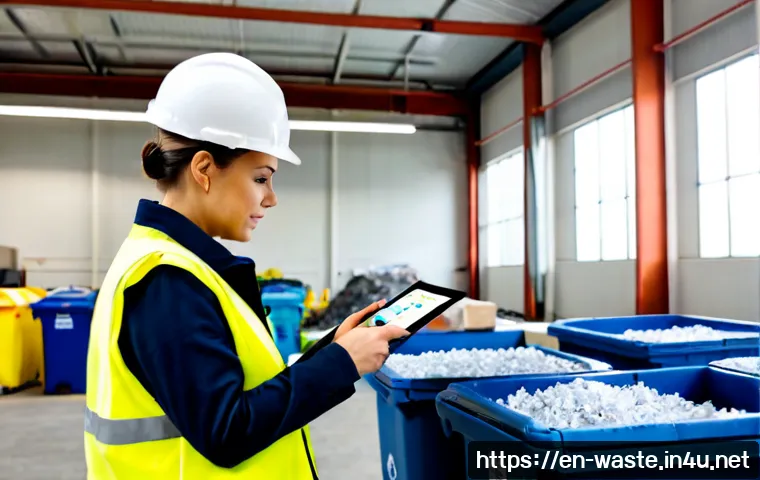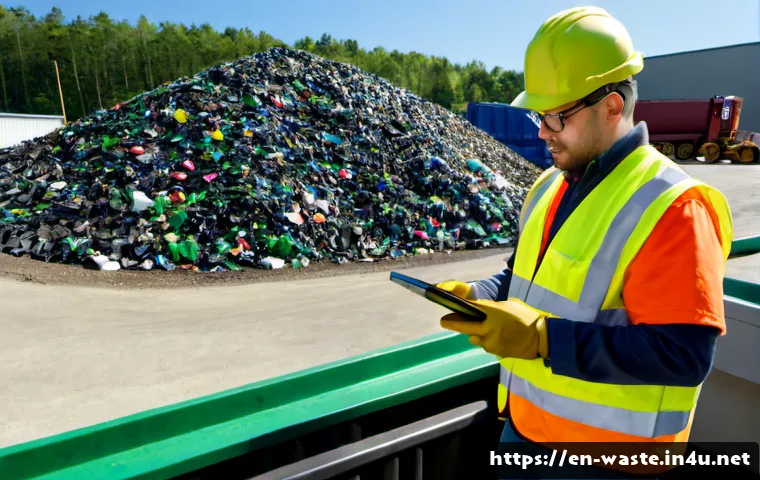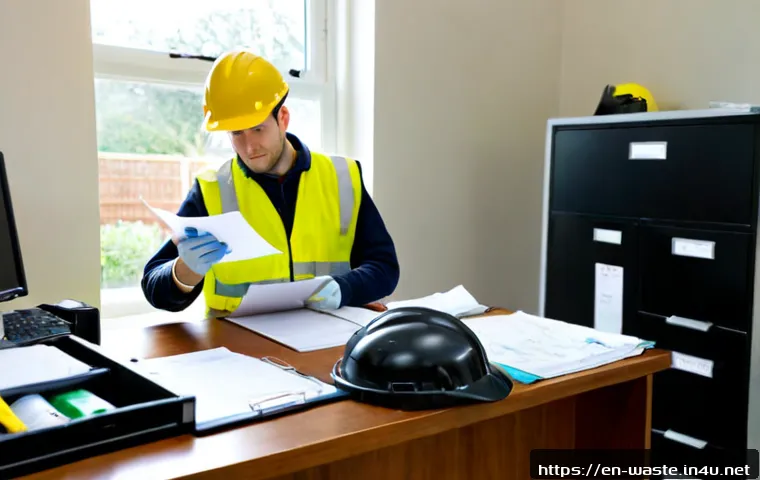
A waste management practical and oral exam is usually passed by showing safe procedures clearly, not by memorizing definitions alone. Focus first on waste identification, PPE, segregation, equipment checks, documentation, and knowing when to stop and escalate.

Self-study may be enough if you already have supervised site experience and clear provider instructions. Workplace practice can help when your employer can provide relevant equipment and feedback.
An accredited refresher course may be worth considering if you need hands-on access, safety certification preparation, or structured oral-question practice.
Always use the current instructions from your exam provider, training center, or employer as your final reference.
At a Glance
- Start with safety: practical assessments commonly look for safe working procedures as well as correct knowledge.
- Match the method to the waste: identify the waste type, contamination risk, and relevant site procedure before handling it.
- Choose support carefully: compare workplace practice and training courses by practical access, supervision, fees, and retake terms.
| Preparation option | Best fit | What to check |
|---|---|---|
| Self-study | You understand the site rules and already have confidence with the expected tasks. | Current assessment instructions, required documents, allowed equipment, and likely oral topics. |
| Employer-led practice | Your workplace can provide supervised practice with relevant waste streams and equipment. | Whether the practice reflects the actual assessment and includes safety feedback. |
| Paid training course | You need structured practical coaching, a refresher, or support with safety certification preparation. | Course scope, hands-on time, instructor experience, assessment fees, and retake policy. |
What a Practical and Oral Waste Assessment Usually Tests
The central question is usually simple: can you work safely and explain your decisions? A practical assessment may require more than naming a waste category. You may need to show that you can identify hazards, follow site procedures, use suitable controls, and communicate concerns before a task becomes unsafe.
The Core Skills: Safety, Identification, Handling, and Communication
Start by checking the task instructions and the work area. Waste should be identified according to its type, possible contamination risk, and the applicable procedure at that site. Do not assume that every bag, container, load, or material follows the same handling route.
PPE selection matters, but PPE is only one part of safe work. It should be suitable for the task and used alongside safe work controls. In an oral assessment, be ready to explain why you would check instructions, inspect the item or container, use the appropriate equipment, and report conditions you cannot safely manage.
A Quick Preparation Summary Before Your Assessment Day
Read the latest provider or employer instructions first. Then rehearse the sequence: assess the task, identify the waste, select controls and PPE, check equipment, complete the handling process, and document or escalate issues where required. Keep your explanation calm and specific. If an instruction is unclear, saying that you would pause and seek clarification is safer than guessing.
Choose the Right Preparation Method: Self-Study, Workplace Practice, or a Training Course
The best preparation method depends on your current confidence, the safety exposure involved, and any employer requirement. A course is not automatically necessary, but it can be useful where you lack practical access or need guided feedback before an assessment.
Comparison Table: Time, Cost Considerations, Supervision, and Hands-On Access
Self-study can work well for reviewing procedures, documentation, hazard recognition, and oral-answer structure. It is less effective if you have never demonstrated the required handling steps. Employer-led practice may offer relevant equipment and real site context, provided that supervision is available and the practice follows current site rules.
A waste management training course may provide a more structured route for candidates who want practical coaching. Before paying, compare what is included rather than choosing based on the advertised course fee alone. Assessment fees, required documents, and retake arrangements can vary by provider and location.
Questions to Ask Before Paying for a Waste-Management Training Course
- Does the course cover the waste stream and work setting relevant to my assessment?
- Will I have supervised practical access to the equipment or procedures I need to demonstrate?
- What safety topics, documentation tasks, and oral-assessment practice are included?
- Are assessment fees, certification steps, or retake terms separate from the course fee?
- What experience does the instructor have with the relevant work environment?
Build a Practical Exam Checklist for Safe Waste Handling
A checklist reduces avoidable mistakes. It should support the actual instructions for your assessment, not replace them. Review it before practice sessions and again before the assessment begins.
PPE, Manual Handling, Segregation, Labeling, and Equipment Checks
- Confirm the task, waste type, and relevant site procedure.
- Check that your PPE is suitable for the task and worn correctly.
- Look for signs of contamination, damage, leakage, or an unclear label.
- Use the correct segregation route rather than mixing waste streams.
- Check equipment before use and do not use it if it appears unsuitable or unsafe.
- Follow safe manual-handling procedures and avoid unnecessary risk.
Documentation, Incident Reporting, and When to Stop and Escalate
Oral questions often test whether you understand reporting and escalation. Prepare to explain what records may be required by the site procedure and who you would inform if there is an incident, damaged container, unexpected contamination, or uncertainty about classification.
Stopping work can be the correct action. If you cannot identify the waste, the container is compromised, equipment is not safe to use, or the situation falls outside your instructions, pause the task and escalate through the proper route. Do not invent a solution simply to keep the demonstration moving.
Answer Oral Questions Clearly Without Guessing
Good oral answers are structured, practical, and tied to safe work. You do not need to sound overly technical. You do need to show that your decision is based on the waste, the hazard, and the procedure.
A Simple Structure for Explaining a Safe Procedure
Use this order: identify, assess, control, act, report. First, identify the material and the task. Next, assess contamination risk and site requirements. Then explain the controls, including suitable PPE and equipment checks. Describe the safe action you would take. Finally, state what you would document or who you would notify if a problem appears.
Common Oral-Assessment Topics and How to Prepare Evidence-Based Answers
Revise hazard recognition, waste segregation, contamination, equipment checks, manual handling, incident reporting, documentation, and escalation procedures. For example, if asked about a damaged container, do not jump straight to moving it. Explain that you would assess the condition, follow the site procedure, use appropriate controls, and report the issue when required.
For transfer stations, recycling sites, and collection operations, the exact procedure may differ. Your preparation should reflect the setting named by your provider or employer rather than relying on a generic answer.

Avoid Mistakes That Can Affect Safety or Assessment Results
Many weak demonstrations come from rushing. A candidate may know the correct term but lose marks by skipping a check, ignoring a label, or handling an item before assessing it.
Skipping Site Instructions or Assuming Every Waste Stream Is the Same
Do not rely on habits from another workplace. Current instructions from the assessment provider, training center, or employer take priority. Check whether the assessment involves general waste, recycling operations, collection work, landfill tasks, hazardous material, clinical waste, or another area before you practise.
Overlooking Contamination, Damaged Containers, and Emergency Reporting
A damaged container, unclear label, or possible contamination is not a detail to ignore. Explain what you notice, state that you would follow the relevant procedure, and identify when escalation is needed. Avoid guessing about disposal routes or emergency actions if the assessment instructions do not confirm them.
Choosing Preparation Support: A Final Comparison Checklist
Before selecting self-study, workplace coaching, or a paid course, compare the points that affect readiness: course scope, practical access, instructor experience, assessment fees, required documents, and retake policies. Ask whether the instruction covers the type of waste and workplace setting you expect to be assessed on. Confirm whether supervised demonstrations and oral-question practice are included. Official course details and conditions should be checked on the relevant provider page before enrolling.
When Professional Instruction May Offer Better Value
Professional instruction may be useful when you need a safety refresher, lack access to supervised equipment practice, or need help organizing your answers for an oral assessment. It may also suit employers arranging consistent workforce compliance training. If you already have relevant supervised experience and clear instructions, targeted self-study and workplace practice may be sufficient.
Final Questions to Confirm With Your Provider or Employer
Ask what qualification or assessment standard applies, what documents are required, what equipment is permitted, and whether the assessment includes a specific waste stream. Confirm the assessment location, current instructions, fee structure, and retake arrangements. These details are not universal and should be verified directly.
Closing Thoughts
Prepare for the practical and oral exam by making safety your starting point. Practise a clear sequence: identify the waste, assess the risk, use appropriate controls, follow the site procedure, and report concerns. A calm explanation of safe decision-making is more useful than trying to memorize broad statements. Use the current instructions for your own assessment as the final authority.
Useful Extra Information
Keep a one-page revision sheet: list the site rules, PPE checks, equipment checks, documentation steps, and escalation contacts or routes provided in your training material.
Practise aloud: explain one handling scenario from start to finish without guessing beyond the available instructions.
Review the setting: preparation for a recycling operation may not match preparation for a collection operation or transfer station.
Important Notes
This guide is general preparation information, not a replacement for provider instructions, workplace procedures, or formal safety training. Qualification rules, marking criteria, permitted equipment, fees, and pass requirements may differ by exam board, country, provider, and employer. Confirm the current requirements before the assessment date.
Frequently Asked Questions
Q1. Is a paid waste-management training course necessary before a practical and oral exam?
A1. Not always. Self-study may be enough when you have clear current instructions, relevant supervised experience, and confidence with the expected tasks. A paid course may be helpful if you need practical access, structured safety certification preparation, or guided oral-question practice.
Q2. What safety topics should I revise first for a waste-handling assessment?
A2. Start with waste identification, contamination risk, PPE suitability, safe work controls, segregation, equipment checks, documentation, incident reporting, and escalation procedures. Match your revision to the exact setting and instructions for your assessment.
Q3. How can I compare training providers if course prices and assessment fees are different?
A3. Compare the full scope, not just the headline price. Check practical access, instructor experience, coverage of your waste stream, assessment and retake fees, required documents, and whether oral-assessment preparation is included. Ask each provider to clarify current terms before you enroll.