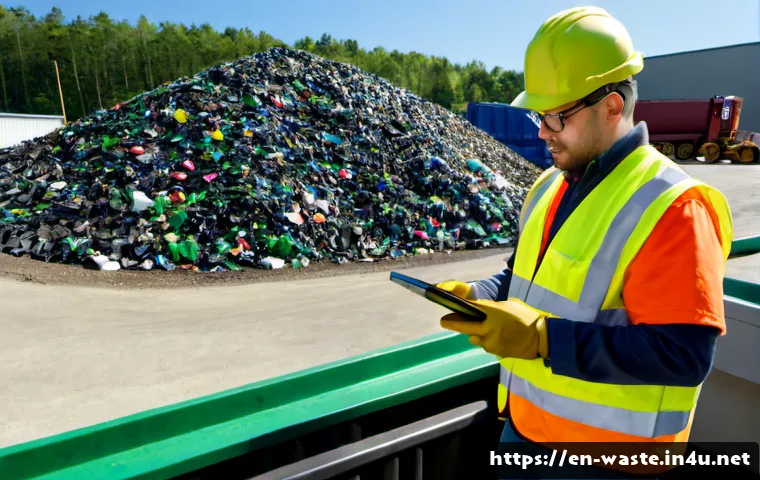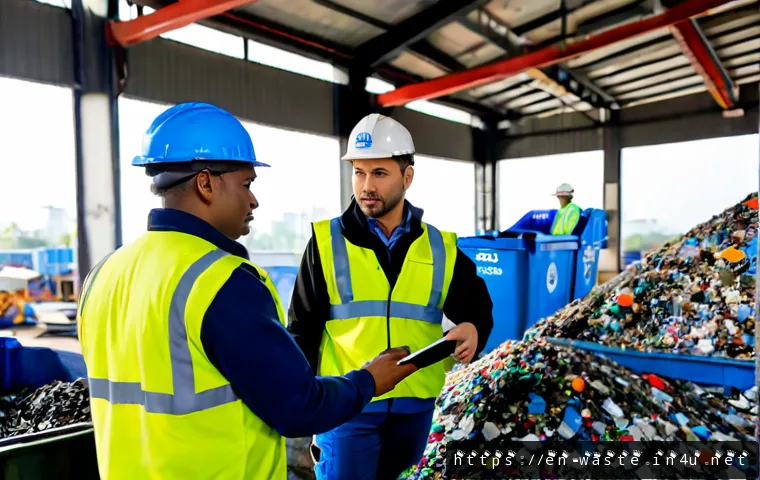
Government support can reduce the cost of waste-management projects, but local eligibility and total operating cost matter more than a headline grant amount.
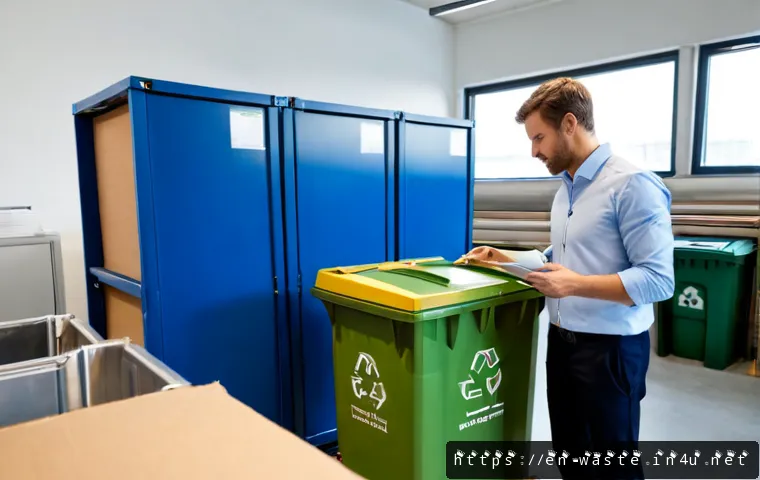
U.S. businesses should compare grants, loans, rebates, tax-related incentives, and commercial waste-service contracts before committing to equipment or a provider.
Support may be available through federal, state, county, city, or utility-provider programs, depending on the project and location. Recycling equipment, composting, food-waste diversion, landfill reduction, hazardous-waste management, and cleanup projects may all be considered under different programs.
The practical choice depends on your waste stream, baseline disposal records, budget, reporting capacity, and expected ongoing costs. A funding application can be useful, but it should not replace a careful comparison of hauling, labor, maintenance, training, and compliance needs.
At a Glance
- Local eligibility comes first: applicant type, location, waste stream, project scale, and public or environmental benefits can affect qualification.
- Support is not limited to grants: loans, rebates, technical assistance, tax-related incentives, and procurement opportunities may also be available.
- Compare total operating cost: funded equipment can still create hauling, maintenance, labor, training, permit, and reporting expenses.
| Option | Best Decision Question | Cash-Flow Effect | Typical Review Point |
|---|---|---|---|
| Grant | Does the project deliver measurable diversion or environmental benefits? | May help with eligible project costs without repayment. | Eligibility, budget, matching funds, procurement, reporting, and deadlines. |
| Low-Interest Loan | Can the operation support repayment while improving waste handling? | Provides financing, but repayment remains part of the cost case. | Financing terms, project budget, and operating savings assumptions. |
| Rebate or Tax-Related Incentive | Is there a qualifying purchase or activity already planned? | May reduce a portion of cost, subject to program conditions. | Eligible expense rules, timing, documentation, and local requirements. |
| Outsourced Waste-Service Contract | Can a commercial hauler manage the waste stream more efficiently than an in-house system? | Usually creates an ongoing service expense rather than project funding. | Collection scope, contamination rules, compliance support, and contract terms. |
What Public Support Can Help Fund in Waste Management?
The short answer for businesses, property operators, and local projects
Public support may be available for projects that improve how waste is collected, separated, processed, diverted, managed, or cleaned up. A small business may be reviewing recycling equipment, while a property manager may be considering organics collection or improved tenant recycling. Manufacturers and municipal contractors may have larger material-recovery or handling needs. The key issue is not simply whether a project involves waste; it is whether the applicant and project meet the requirements of a current program.
Waste streams and project types that may receive support
Programs can relate to recycling infrastructure, composting, food-waste diversion, landfill reduction, hazardous-waste management, and environmental cleanup. Some opportunities may focus on a specific material stream or a local public-benefit goal. Before treating a piece of waste equipment as fundable, identify the waste stream, the planned activity, and the expected result. A proposal with clear baseline information is easier to evaluate than a broad claim that a new system will “save money” or “go green.”
Why local rules matter more than general funding headlines
A national or statewide funding headline does not confirm that a specific facility qualifies. Geographic coverage, deadlines, matching-fund rules, eligible expenses, permits, and reimbursement conditions can differ by program. Confirm local requirements before ordering equipment or signing a hauling contract. A purchase made too early, a contractor selected outside a required procurement process, or incomplete records can affect whether costs are eligible.
Compare Grants, Loans, Rebates, and Tax-Related Incentives
Upfront cash support versus financing and long-term savings
A grant may appear to be the strongest option because it can help cover eligible costs without repayment. However, it may also require more documentation, reporting, and project controls. A low-interest loan can be more useful when a project needs financing on a defined schedule. A rebate may be smaller but simpler if it matches a planned equipment purchase. Tax-related incentives can affect the overall cost picture, but their application depends on the relevant rules and should be verified for the specific business and location.
When a smaller rebate may be more practical than a larger grant
A smaller rebate may fit better when the project is straightforward, the purchase is already necessary, and the organization has limited capacity for a detailed application or ongoing reporting. A larger grant can still be worthwhile, but only if the eligible expenses, timeline, matching-fund requirements, and reporting burden fit the project. Compare the administrative workload with the value of the support, not just the advertised funding category.
Build a Realistic Cost Case Before Applying
Costs to include: collection, hauling, equipment, labor, training, and permits
Build a full cost case before assuming public support makes an option cheaper. Include collection arrangements, commercial hauling charges, recycling equipment, installation, equipment maintenance, labor, staff training, permits, compliance work, and reporting. If the project changes how materials are stored or separated, consider the operational impact as well. Funding may address only certain expenses, while the business remains responsible for ongoing costs.
Compare outsourced waste services with in-house processing
An outsourced waste-service contract may be practical when a commercial hauler can manage collection, transport, and required handling without adding internal workload. In-house processing may deserve consideration when the organization can manage equipment, staff procedures, maintenance, and compliance responsibilities. Neither route is automatically less expensive. Compare the actual scope of service against the equipment and operating obligations your team would take on.
How to evaluate vendor quotes without focusing only on the lowest price
Ask each provider to clarify what is included. A waste hauling quote should be compared for collection scope, material acceptance, contamination handling, reporting, service reliability, and any compliance-related responsibilities. An equipment estimate should be reviewed for installation, training, maintenance, and operational requirements. The lowest initial quote may not be the lowest total-cost option.
Prepare an Application and Avoid Common Compliance Mistakes
Gather baseline disposal records and waste-audit information
Many programs require documentation of baseline waste volumes and projected diversion results. Gather available disposal records, hauling information, internal waste-audit notes, and budget documents before applying. If records are incomplete, do not fill gaps with unsupported savings claims. Instead, identify what can be documented and what needs verification.
Define measurable diversion, recycling, or reduction outcomes
Describe the expected outcome in practical terms: what material will be addressed, what process will change, and how results will be tracked. Measurable outcomes help show why a recycling, composting, or landfill-reduction project may provide a public or environmental benefit. Keep projections tied to the available baseline data and the actual scope of the project.

Check matching-fund, procurement, reporting, and deadline requirements
Review whether matching funds are required, whether procurement steps apply, and when the project must be completed. Also check reporting duties and restrictions on eligible expenses. These items can shape the decision as much as the funding type itself. Do not assume a vendor invoice, equipment purchase, or contractor cost is reimbursable without confirmation.
Choose a Path Based on Your Project Situation
Small businesses reducing collection and disposal costs
Small businesses can start with basic disposal records and a practical review of current collection needs. A rebate, technical assistance opportunity, or revised commercial waste-service arrangement may be easier to manage than a complex project. If applying for support, connect the project to a clear waste stream and a workable recordkeeping plan.
Manufacturers improving material recovery or handling systems
Manufacturers may need to compare recycling equipment, material handling, internal labor, equipment maintenance, and hauling arrangements together. A project that improves material recovery can still require ongoing training and operating oversight. Confirm whether the proposed equipment and contractor work fit the program’s eligible-expense rules.
Property managers adding recycling or organics collection
Property managers should consider tenant use, collection logistics, contamination risk, available storage space, and the reporting information needed to measure results. A service provider may simplify collection, but the contract should be compared against expected operational needs. Local rules can be especially important when a property serves multiple users or waste streams.
Organizations with hazardous or regulated waste concerns
Hazardous or regulated waste requires careful attention to applicable permits, handling requirements, and contractor qualifications. Government support may exist for certain management or cleanup activities, but eligibility and legal obligations must be checked locally. Professional environmental compliance consulting may be appropriate when the project involves complex requirements or uncertain responsibilities.
Selection Criteria and Comparison Summary
Before applying, financing, outsourcing, or delaying the project, check these points:
- Eligibility: Does the applicant type, location, waste stream, and project purpose fit the program?
- Documentation: Are baseline volumes, budgets, permits, and projected results supportable?
- Total cost: Have hauling, labor, maintenance, training, compliance, and reporting costs been included?
- Timing: Can the project meet application, procurement, and completion requirements?
- Operational fit: Is an equipment purchase truly more suitable than a compliant hauling contract or outside service?
Compare compliant hauling quotes, equipment estimates, or professional grant-support advice based on the exact waste stream and project scope. Official program pages and local agency guidance are the right places to confirm detailed eligibility and conditions.
Closing Thoughts
Government support can improve the financial case for a waste-management project, but it does not remove the need for careful planning. The strongest decision usually combines verified eligibility with a realistic operating-cost comparison. Start with documented waste data, then assess whether funding, financing, outsourced service, or a phased project best fits the organization. When requirements are unclear, confirm them before making a purchase or contractual commitment.
Useful Information to Keep in Mind
First: Keep disposal and hauling records organized before a funding opportunity appears. Second: Treat projected diversion results as documentation tasks, not marketing language. Third: Compare provider scope, compliance support, and ongoing obligations alongside price. Fourth: A smaller, simpler support option may be easier to use than a larger program with burdensome conditions.
Important Notes
Available programs, funding amounts, deadlines, geographic coverage, matching-fund requirements, and eligible costs must be confirmed for the specific location and project. This information is a planning framework, not legal, tax, permitting, or compliance advice. Requirements for hazardous or regulated waste can be particularly location- and activity-specific.
Frequently Asked Questions
Q1. Can a small business get government help for recycling or waste disposal equipment?
A1. It may be possible, depending on the business location, applicant type, waste stream, project scale, and the measurable public or environmental benefits of the project. Support may take the form of a grant, loan, rebate, technical assistance, tax-related incentive, or another local program. Confirm that the equipment purchase is an eligible expense before committing to it.
Q2. Are waste management grants better than commercial financing or a service contract?
A2. Not always. Grants may help with eligible costs but can involve applications, matching funds, procurement rules, reporting, and completion deadlines. Commercial financing may suit a project that needs predictable funding, while an outsourced service contract may reduce internal operating responsibilities. Compare total cost and administrative burden for your situation.
Q3. What costs should I compare before choosing a waste hauling company or recycling equipment provider?
A3. Compare collection and hauling scope, equipment purchase and maintenance, installation, labor, staff training, permits, compliance needs, reporting duties, and ongoing operating costs. Also ask what materials are accepted, how contamination is handled, and which responsibilities remain with your organization.