Insider Strategies to Land Your Next Job in Waste Management with Proven Career Experience

webmaster

폐기물처리 경력직 이직 팁 - A professional waste management specialist in a modern recycling facility office, wearing business c...

Navigating the job market in waste management has never been more dynamic, especially as sustainability takes center stage across industries. With increasing demand for eco-friendly solutions, this sector offers unique opportunities for those ready to make a meaningful impact.

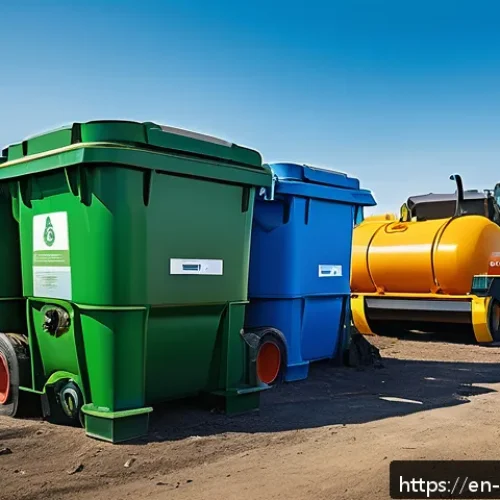
폐기물처리 경력직 이직 팁 관련 이미지 1

If you’ve been wondering how to stand out and secure your next role, you’re in the right place. Drawing from real-world experience and insider tips, this guide will help you unlock strategies that work.

Let’s dive into practical advice that can transform your job search and set you on a path to success in waste management.

Mastering the Art of Tailoring Your Waste Management Resume

Highlighting Relevant Skills That Employers Crave

When applying for roles in waste management, it’s tempting to throw in every skill you’ve ever acquired. But the reality is, recruiters are looking for specific competencies that align with sustainability goals and regulatory compliance.

From my experience, focusing on skills like waste stream analysis, hazardous materials handling, and knowledge of environmental regulations can make your resume shine.

Don’t forget to include software proficiency, such as GIS mapping or waste tracking systems, as these technical skills demonstrate your adaptability to modern waste management practices.

Crafting a Compelling Professional Summary

The professional summary is your elevator pitch on paper. I’ve noticed that resumes with generic statements don’t get much traction. Instead, start with a strong sentence that encapsulates your years of experience and your passion for sustainable waste solutions.

Mention key achievements, like reducing landfill waste by a certain percentage or successfully implementing recycling programs. This approach immediately signals to hiring managers that you’re results-driven and ready to contribute.

Quantifying Achievements with Data

Numbers speak louder than words in any industry, but especially in waste management where measurable impact matters. For instance, stating that you “managed a team that improved waste diversion rates by 30% within one year” is far more compelling than simply saying you led a team.

When I revamped my resume, including specific data points helped me stand out and opened doors to interviews that otherwise seemed out of reach.

Advertisement

Networking Strategies That Actually Open Doors

Leveraging Industry Associations and Events

Joining professional groups like the Solid Waste Association of North America (SWANA) or attending local sustainability conferences can be game-changers.

I’ve personally connected with hiring managers and insiders through these channels, which led to opportunities that weren’t publicly advertised. Don’t just attend—engage.

Asking thoughtful questions or sharing your own experiences during networking sessions can leave a lasting impression.

Utilizing LinkedIn Beyond the Basics

LinkedIn is more than a digital resume; it’s a powerful networking tool. Instead of passively waiting for recruiters to find you, actively join discussions in waste management groups, share insightful articles, and post about your own projects.

I’ve found that personalized connection requests referencing shared interests or recent industry trends significantly increase acceptance rates. Plus, maintaining a consistent, professional presence keeps you top of mind when opportunities arise.

Informational Interviews as a Stepping Stone

Reaching out for informational interviews can feel intimidating, but it’s one of the smartest moves you can make. These conversations provide inside knowledge about company culture and hiring needs, which you can tailor your applications around.

When I scheduled a few informal chats with waste management professionals, not only did I gain valuable insights, but some of those contacts later became advocates during my job hunt.

Advertisement

Developing In-Demand Certifications and Training

Why Certifications Matter More Than Ever

Certifications like the Certified Hazardous Materials Manager (CHMM) or Leadership in Energy and Environmental Design (LEED) accreditation add significant weight to your resume.

Employers view these credentials as proof of your commitment and expertise in environmental stewardship. I noticed a marked increase in interview callbacks after completing relevant certifications, especially for positions with a sustainability focus.

Choosing the Right Courses for Career Growth

Not all training programs offer the same value. Look for courses that blend practical skills with regulatory knowledge, such as waste audit techniques or environmental compliance training.

Online platforms like Coursera or industry-specific workshops often provide flexible options that fit busy schedules. Personally, investing time in targeted courses boosted both my confidence and my marketability.

Maintaining Certification and Continuing Education

Once you earn a certification, staying current is crucial. Many certifications require ongoing education credits or periodic renewal. Keeping up with the latest regulations, technologies, and best practices demonstrates to employers that you’re proactive and dedicated.

I make it a point to schedule regular learning goals each year, which has kept my skills sharp and relevant.

Advertisement

Leveraging Technology to Enhance Your Waste Management Expertise

Embracing Data Analytics in Waste Management

Data-driven decision-making is reshaping how waste management professionals operate. Tools that analyze waste streams, track recycling rates, or optimize collection routes are increasingly important.

From my hands-on experience, proficiency in data analytics software like Excel with advanced functions or specialized platforms can set you apart. Employers appreciate candidates who can translate numbers into actionable strategies.

Adopting Sustainable Technologies and Innovations

Technological innovation doesn’t stop at software. Emerging trends like anaerobic digestion, waste-to-energy systems, and smart bins are transforming the industry.

Familiarizing yourself with these innovations shows that you’re forward-thinking and ready to contribute to cutting-edge solutions. I’ve found that referencing these technologies during interviews sparks engaging conversations and demonstrates industry awareness.

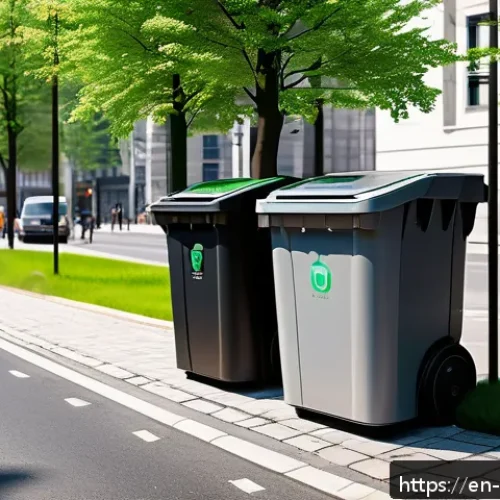
폐기물처리 경력직 이직 팁 관련 이미지 2

Improving Communication through Digital Tools

Clear communication is vital, especially when coordinating with teams, regulators, and the public. Tools like project management software, video conferencing platforms, and digital reporting systems have become standard.

My experience using these tools has streamlined workflows and enhanced stakeholder collaboration, which are qualities hiring managers actively seek.

Advertisement

Showcasing Leadership and Team Collaboration Skills

Demonstrating Leadership in Project Management

Whether you’re managing a landfill operation or coordinating a recycling initiative, leadership skills are crucial. Sharing examples of how you’ve led teams through challenges, met deadlines, or improved processes resonates with employers.

I’ve learned that highlighting your ability to motivate and manage diverse teams, while keeping sustainability goals in focus, makes a strong case for your candidacy.

Building Effective Cross-Functional Partnerships

Waste management often involves working alongside environmental scientists, local governments, and community groups. Showing your experience in fostering partnerships across departments or organizations can be a major asset.

In my career, these collaborations have led to more comprehensive solutions and better project outcomes, which employers recognize as valuable.

Conflict Resolution and Problem-Solving in the Field

The waste management sector is not without its conflicts, whether due to regulatory changes, budget constraints, or operational hiccups. Being able to resolve conflicts diplomatically and solve problems creatively is a skill that employers prize.

I recall a situation where mediating between contractors and local officials prevented costly delays, and sharing such stories during interviews helped demonstrate my practical leadership abilities.

Advertisement

Understanding Market Trends to Target Your Job Search

Identifying High-Growth Areas Within Waste Management

Certain niches like electronic waste recycling, circular economy initiatives, and hazardous waste treatment are experiencing rapid growth. Focusing your job search on these sectors can increase your chances of landing a role with long-term potential.

I often recommend researching regional market demands and tailoring applications to companies leading innovation in these areas.

Aligning Your Goals with Corporate Sustainability Agendas

Many companies now publish sustainability goals and waste reduction targets. Aligning your career objectives with these agendas can make you a more attractive candidate.

For instance, mentioning how your expertise can help meet zero-waste goals or improve carbon footprints during interviews shows you’re not just job hunting—you’re invested in the company’s mission.

Adapting to Regulatory Shifts and Policy Changes

Waste management is heavily influenced by evolving regulations at local, state, and federal levels. Staying informed about these changes and understanding their implications can give you an edge.

I subscribe to industry newsletters and attend webinars to keep up, which has allowed me to speak knowledgeably during interviews and tailor my applications accordingly.

Key Area Recommended Action Impact on Job Search
Resume Tailoring Focus on sustainability skills and quantify achievements Improves visibility and relevance to hiring managers
Networking Engage in industry events and LinkedIn groups Access to unadvertised opportunities and referrals
Certifications Obtain CHMM, LEED, or related credentials Boosts credibility and expertise perception
Technology Proficiency Learn data analytics and waste management software Demonstrates adaptability and modern skills
Leadership Skills Showcase project management and collaboration experience Highlights ability to drive results and work well with others
Market Awareness Target growing sectors and align with sustainability goals Enhances fit with employer priorities and trends
Advertisement

Conclusion

Mastering your waste management resume and job search strategies takes focused effort but pays off significantly. By highlighting relevant skills, building strong networks, and staying current with certifications and technology, you position yourself as a top candidate. Remember, tailoring your approach to industry trends and demonstrating measurable results truly sets you apart. Stay proactive, and your next opportunity in waste management is within reach.

Advertisement

Helpful Tips to Keep in Mind

1. Customize your resume by emphasizing sustainability and compliance skills to catch recruiters’ attention.

2. Actively participate in industry associations and online platforms like LinkedIn to unlock hidden job opportunities.

3. Invest in certifications that showcase your expertise and commitment to environmental stewardship.

4. Develop proficiency in data analytics and emerging waste management technologies to stay ahead.

5. Align your career goals with corporate sustainability agendas and stay informed about regulatory changes.

Advertisement

Key Takeaways

Focusing your efforts on relevant skills and quantifiable achievements enhances your resume’s impact. Networking strategically both online and offline opens doors beyond traditional job postings. Continuous learning through certifications and technology adoption signals dedication and adaptability. Demonstrating leadership and collaboration abilities reinforces your value to employers. Lastly, staying aware of market trends and regulatory shifts ensures your career path aligns with evolving industry demands.

Frequently Asked Questions (FAQ) 📖

Q: uestionsQ1: What skills are most important for a career in waste management today?

A: In today’s waste management field, the key skills blend technical knowledge with sustainability awareness. Employers look for proficiency in recycling technologies, waste reduction strategies, and compliance with environmental regulations.
On top of that, strong project management and communication skills are essential because you’ll often coordinate with diverse teams and communities. From my experience, showing a genuine passion for sustainability and staying updated on green innovations really makes a candidate stand out.

Q: How can I make my resume and application stand out in the competitive waste management job market?

A: To catch the recruiter’s eye, tailor your resume to highlight specific achievements related to waste reduction, sustainability projects, or process improvements.
Use metrics whenever possible — for example, “Reduced landfill waste by 15% through a new sorting initiative.” Also, don’t underestimate the power of a compelling cover letter that tells your story and explains why you care about making an environmental impact.
I found that adding real examples from volunteer work or internships in eco-friendly programs can give you a practical edge.

Q: What are the best ways to network and find job opportunities in the waste management sector?

A: Networking is crucial in this industry. Attending sustainability conferences, joining professional organizations like the Solid Waste Association of North America (SWANA), and participating in local environmental groups can open doors.
Online platforms like LinkedIn also offer great ways to connect with industry professionals. Personally, I found that reaching out directly to hiring managers or employees at companies I admired led to valuable informational interviews and sometimes even job referrals.
Staying active and visible in the community really pays off.

📚 References


➤ Link

– Google Search

➤ Link

– Bing Search

➤ Link

– Google Search

➤ Link

– Bing Search

➤ Link

– Google Search

➤ Link

– Bing Search

➤ Link

– Google Search

➤ Link

– Bing Search

➤ Link

– Google Search

➤ Link

– Bing Search

➤ Link

– Google Search

➤ Link

– Bing Search

➤ Link

– Google Search

➤ Link

– Bing Search
Advertisement