5 Game-Changing Strategies from Top Waste Treatment Sites

webmaster

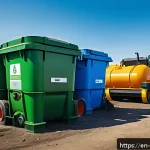
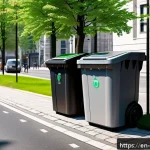
폐기물처리 현장 사례 분석 - Here are three detailed image prompts in English, designed for an image generator, based on the prov...

Hey everyone, it’s your favorite eco-conscious blogger here, and I’ve got something really thought-provoking for you today! You know, we all toss things away daily without a second thought, but have you ever stopped to consider the incredible ingenuity (and sometimes, the staggering challenges) involved in managing it all?

I certainly have, especially after diving deep into some truly eye-opening waste management sites from around the world. It’s not just about landfills anymore; we’re talking about mind-blowing innovation, from AI-powered sorting facilities that revolutionize recycling to groundbreaking waste-to-energy plants that are literally turning trash into treasure.

The world of waste management is evolving at a breakneck pace, driven by a global push for sustainability and a true circular economy. It’s a field brimming with fascinating real-world examples that not only impact our environment but also shape our communities and economies in profound ways.

If you’re anything like me, you’ll be amazed at the stories these sites tell, revealing both our planet’s struggles and our collective efforts to build a greener future.

Ready to uncover some truly insightful lessons and see what the future of waste looks like? Let’s dive in and explore some compelling waste treatment site case studies together!

The AI Revolution in Waste Sorting: Smarter Than We Thought

폐기물처리 현장 사례 분석 - Here are three detailed image prompts in English, designed for an image generator, based on the prov...

You know, I used to think of recycling as just throwing stuff into different bins, maybe with a person on a conveyor belt trying to catch the obvious mistakes.

Boy, was I wrong! Visiting some of these state-of-the-art Material Recovery Facilities (MRFs) felt like stepping into a sci-fi movie. What truly blew my mind was seeing how artificial intelligence and advanced robotics are completely transforming how we separate waste.

It’s not just about speed; it’s about incredible precision. These systems can identify materials with uncanny accuracy, differentiating between types of plastic, paper, and even metals that a human eye might miss.

It means less contamination, higher quality recyclables, and ultimately, a much more efficient circular economy. This technological leap means we’re recovering valuable resources that would have otherwise ended up in a landfill, and frankly, that’s a game-changer for our planet.

When I saw the sheer volume these machines could process, I honestly felt a huge surge of hope for our collective future. It’s a testament to human ingenuity when applied to some of our biggest environmental challenges.

Robotics and Optical Scanners: Precision at Scale

The real magic happens with optical sorters and robotic arms. Imagine a stream of mixed recyclables moving at incredible speed; optical sensors scan each item, identifying its composition and even color.

Then, a perfectly timed puff of air or a quick grab by a robotic arm diverts it to the correct stream. It’s mesmerizing to watch. I saw facilities where these robots could perform tasks that would be impossible for humans to sustain, like sorting minute pieces of plastic or handling hazardous sharps without risk.

This level of automation means higher throughput, reduced operational costs, and, most importantly, a significant increase in the purity of recycled materials, making them much more valuable for manufacturers.

Data-Driven Recycling: Optimizing Every Stream

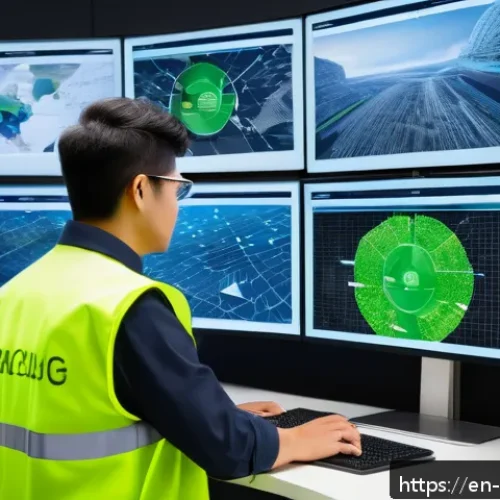
What’s often overlooked in these high-tech MRFs is the data. Every scan, every sort, every stream of material generates a mountain of data. This data isn’t just sitting there; it’s actively used to optimize the entire process.

Operators can pinpoint inefficiencies, track market demands for specific materials, and even predict maintenance needs for their machinery. It allows for a dynamic and responsive waste management system that adapts to changing waste streams and market conditions, ensuring that our recycling efforts are as effective and economically viable as possible.

It’s like having a super-smart brain constantly fine-tuning the entire operation.

From Rubbish to Radiance: The Power of Waste-to-Energy

Okay, so if AI sorting is the brain, then waste-to-energy (WtE) facilities are definitely the muscles of modern waste management. I’ve always been fascinated by the idea of turning something considered “useless” into something incredibly valuable, and WtE plants perfectly embody this.

It’s not just about burning trash anymore; these are sophisticated power stations that process non-recyclable waste to generate electricity, heat, or even fuel.

The technology has advanced so much that modern plants are incredibly efficient and operate with stringent emissions controls, often exceeding environmental standards set for traditional power plants.

When I walked through one of these facilities, the sheer scale of the operation was staggering, but what really hit me was the sense of purpose. It’s about more than just disposing of waste; it’s about creating a tangible, sustainable resource from what would otherwise occupy precious landfill space.

It felt like watching alchemy, truly transforming trash into treasure, and providing energy for thousands of homes in the process. It’s a huge step towards energy independence and environmental responsibility.

Beyond Incineration: Advanced Thermal Technologies

Modern waste-to-energy facilities employ a variety of advanced thermal technologies that go far beyond simple incineration. We’re talking about processes like gasification and pyrolysis, which convert waste into synthetic gas (syngas) or bio-oil that can then be used to generate electricity or produce chemicals.

These methods are much cleaner and more efficient than older combustion techniques, allowing for the recovery of valuable energy with significantly reduced environmental impact.

It’s a complex dance of chemistry and engineering that aims to extract the maximum amount of energy while minimizing air pollutants, making them a crucial part of an integrated waste management strategy in many progressive cities.

Local Impact: Sustainable Energy for Communities

One of the most compelling aspects of waste-to-energy plants is their direct benefit to local communities. Beyond diverting waste from landfills, these facilities provide a reliable, local source of energy.

Many WtE plants feed electricity directly into the local grid or provide district heating to homes and businesses. This not only reduces reliance on fossil fuels but also strengthens local energy security.

I’ve seen communities that have truly embraced their WtE plant as a symbol of sustainability, a source of local jobs, and a provider of essential services.

It creates a powerful, tangible connection between waste management and daily life, showing how our efforts to manage waste can directly contribute to a more sustainable and resilient future for everyone.

Waste Treatment Method Primary Output/Benefit Environmental Impact (General) Key Considerations
Recycling (AI/Robotic MRF) High-quality raw materials for manufacturing Reduced virgin resource extraction, lower energy consumption Market demand for recycled materials, collection infrastructure
Waste-to-Energy (WtE) Electricity, heat, reduced landfill volume Reduced greenhouse gas emissions (compared to landfill methane), energy independence Emissions controls, ash management, public perception
Composting Nutrient-rich soil amendment Reduces methane emissions from landfills, improves soil health Space requirements, odor control, contamination prevention
Anaerobic Digestion Biogas (renewable energy), digestate (fertilizer) Reduces methane emissions, produces renewable energy Feedstock quality, initial investment, digestate management
Landfilling (Modern) Final disposal of residual waste Engineered to prevent pollution, but still a source of emissions over time Land availability, leachate management, long-term monitoring
Advertisement

Closing the Loop: Cities Embracing the Circular Economy

The dream of a truly circular economy is no longer just a distant vision; it’s becoming a tangible reality in many forward-thinking cities around the globe.

This isn’t just about recycling more; it’s a fundamental shift in how we design, produce, consume, and rethink everything. It’s about keeping resources in use for as long as possible, extracting the maximum value from them while in use, then recovering and regenerating products and materials at the end of each service life.

When I first started learning about this concept, I felt overwhelmed by its ambition, but after seeing communities actively implementing circular strategies, I realized it’s profoundly practical.

It’s about valuing our resources, fostering local economies, and creating a resilient future where waste is truly an outdated concept. It moves beyond just managing waste at the end of the line and instead focuses on preventing it from the very beginning, and that, my friends, is where the real magic happens for our planet.

Design for Disassembly: Rethinking Products from the Start

A cornerstone of the circular economy is “design for disassembly.” This means that products are intentionally created with their end-of-life in mind. Instead of glued-together, impossible-to-separate components, imagine products built with modular parts, easily replaceable components, and materials that can be cleanly separated and recycled or reused.

I’ve seen some incredible examples, from modular phones that you can upgrade piece by piece to furniture designed to be taken apart and reassembled in different configurations.

This approach not only extends product lifespans but also ensures that valuable materials don’t get trapped in a landfill, making true recycling and reuse genuinely feasible and economically attractive.

Urban Mining: Valuing What We Already Have

“Urban mining” sounds like something out of a futuristic movie, but it’s happening right now in our cities. It’s the process of recovering raw materials from discarded products and buildings, essentially seeing our urban environments as rich veins of resources.

Think about all the precious metals in old electronics or the construction materials from demolished buildings. Instead of shipping new materials from distant mines, urban mining taps into this readily available supply, reducing the environmental impact of extraction and processing.

I visited a facility that specialized in recovering rare earth metals from e-waste, and it was fascinating to see how they meticulously broke down circuit boards to reclaim these incredibly valuable, finite resources.

It’s a powerful testament to the idea that our waste isn’t truly waste; it’s just resources in the wrong place.

Community Buy-In: The Heart of Circularity

None of these grand visions of a circular economy would work without strong community engagement. It’s not just top-down policy; it’s about individual choices and collective action.

I’ve seen local initiatives where communities organize repair cafes, tool libraries, and local sharing economies, all contributing to reducing consumption and extending product life.

Education plays a huge role, helping people understand the “why” behind circular practices and empowering them to make more sustainable choices in their daily lives.

When people feel connected to the movement, that’s when real, lasting change happens.

Tackling the Tough Stuff: Innovations in Hazardous Waste Management

When we talk about waste, it’s easy to focus on our everyday trash, but what about the really challenging stuff – the hazardous waste? This category includes everything from industrial chemicals and medical waste to old batteries and certain electronics.

Managing these materials isn’t just about disposal; it’s about protecting human health and the environment from potentially devastating contamination.

The complexity and risk involved mean that innovation in this sector is absolutely critical, and honestly, it’s one of the areas where I’ve seen some of the most impressive scientific and engineering breakthroughs.

It takes a unique blend of expertise, rigorous safety protocols, and cutting-edge technology to handle these substances responsibly. Visiting a specialized hazardous waste facility felt like witnessing an intricate ballet of safety and precision, where every step is meticulously planned and executed.

It definitely put into perspective just how much goes into keeping us all safe from the unseen dangers lurking in our waste streams.

Safe Disposal and Neutralization: Protecting Our Planet

For certain hazardous wastes, safe and secure disposal remains the primary goal. This often involves highly specialized landfills engineered with multiple containment layers to prevent leachate from contaminating soil and groundwater.

But even more fascinating are the advanced treatment methods designed to neutralize or detoxify waste before disposal. Technologies like high-temperature incineration (for certain organic hazardous wastes), chemical treatment to alter the waste’s properties, or solidification processes to bind contaminants are at the forefront.

These methods dramatically reduce the toxicity and mobility of hazardous substances, effectively turning a dangerous threat into a more inert, manageable material, thereby safeguarding our ecosystems for generations to come.

Resource Recovery from Toxic Streams

Perhaps the most exciting development in hazardous waste management is the increasing focus on resource recovery. Instead of simply disposing of everything, innovators are finding ways to extract valuable materials even from seemingly toxic waste streams.

Think about solvents that can be purified and reused, or precious metals recovered from industrial sludge. This not only reduces the volume of hazardous waste requiring disposal but also lessens the demand for virgin resources, creating a double win for the environment and the economy.

It requires sophisticated chemical processes and often significant investment, but the long-term benefits in terms of resource conservation and reduced environmental burden are truly immense.

It’s a testament to the idea that even the most challenging waste streams hold hidden value waiting to be unlocked.

Advertisement

Green Gold: Composting and Anaerobic Digestion for Organics

폐기물처리 현장 사례 분석 - Prompt 1: AI-Powered Recycling Facility**

Let’s talk about something we all generate every single day: organic waste. Food scraps, yard trimmings – it seems harmless enough, right? But when this stuff ends up in landfills, it breaks down anaerobically (without oxygen) and produces methane, a greenhouse gas far more potent than carbon dioxide.

That’s why I get so excited about composting and anaerobic digestion! These processes aren’t just about managing waste; they’re about transforming it into valuable resources like nutrient-rich soil amendments or renewable energy.

It’s a complete turnaround from a problem to a solution, and honestly, it just feels *right*. I’ve seen everything from small community composting programs that turn neighborhood food scraps into garden gold to massive industrial anaerobic digesters that power entire facilities.

It’s a truly beautiful example of working *with* nature to create sustainable cycles, and it makes you realize how much potential we often just throw away without a second thought.

Food Waste to Fuel: Biogas and Nutrient-Rich Fertilizers

Anaerobic digestion facilities are truly marvels of biochemical engineering. They take organic waste – food scraps, agricultural waste, even sewage sludge – and place it into sealed tanks without oxygen.

Microbes then go to work, breaking down the material and producing biogas, which is rich in methane. This biogas can be captured and used to generate electricity, heat, or even be upgraded to biomethane for vehicle fuel or injection into the natural gas grid.

What’s left behind is a nutrient-rich digestate, an excellent natural fertilizer that can be returned to the soil, completing a truly circular nutrient loop.

It’s a powerful way to reduce greenhouse gas emissions, generate clean energy, and improve soil health all at once, making it a cornerstone of sustainable waste management.

Decentralized Solutions: Empowering Local Communities

While large-scale anaerobic digesters are impressive, I’ve also been incredibly inspired by the rise of decentralized composting and digestion initiatives.

These are smaller-scale operations, often community-run or even backyard setups, that empower individuals and neighborhoods to manage their organic waste locally.

Community composting sites turn local food scraps into valuable compost for urban gardens, reducing collection costs and fostering a stronger sense of environmental responsibility.

These smaller-scale solutions are not only efficient but also build resilience within communities, allowing them to manage their resources closer to home and fostering a deeper connection to the food system and waste cycle.

It’s a great example of how impactful change can happen from the ground up.

The Rise of Smart Waste Systems: Efficiency Unleashed

If there’s one area where I’ve seen a dramatic shift, it’s in the application of smart technology to waste management. We’re moving beyond just knowing when a bin is full; we’re talking about entire interconnected networks that optimize everything from collection routes to resource allocation.

It’s like the waste management system itself is developing a brain, constantly learning and adapting. For someone like me, who’s always looking for ways to make things more efficient and sustainable, this is incredibly exciting.

Imagine fewer trucks on the road, less fuel consumed, and a much more responsive service for residents and businesses. These systems are not only cutting costs but also significantly reducing the environmental footprint of waste collection, making our cities cleaner and more livable.

It truly feels like the future is now when you see these intelligent systems in action, streamlining what was once a very manual and often inefficient process.

Sensors and IoT: Real-Time Collection Optimization

The core of smart waste systems lies in the ubiquitous deployment of sensors and the Internet of Things (IoT). Bins are no longer just passive containers; they’re equipped with sensors that monitor fill levels, compaction rates, and even odors.

This real-time data is then transmitted to a central platform, allowing waste management companies to dynamically optimize collection routes. Instead of following fixed schedules, trucks only visit bins that are actually full, dramatically reducing mileage, fuel consumption, and labor costs.

I’ve heard stories from city managers about how these systems have slashed their collection fleet sizes and cut fuel use by 30% or more, which is absolutely astounding.

It’s a perfect example of how targeted technology can have massive environmental and economic benefits.

Predictive Analytics: Anticipating Waste Flows

Taking it a step further, smart waste systems are increasingly leveraging predictive analytics. By analyzing historical data on waste generation patterns, seasonal variations, public holidays, and even local events, these systems can forecast future waste flows with remarkable accuracy.

This allows for proactive planning, ensuring that resources are allocated optimally before a problem even arises. For example, a city might anticipate increased waste generation in a specific area after a major festival and dispatch additional bins or collection services in advance.

This foresight not only prevents overflowing bins and unsightly litter but also ensures that the entire waste management infrastructure is always running at peak efficiency, adapting to the ever-changing pulse of urban life.

Advertisement

Beyond the Bin: Global Inspiration for a Zero-Waste Future

You know, sometimes it feels like waste is an insurmountable problem, but then I look at all these incredible initiatives around the world, and I just feel so invigorated.

The journey to a truly zero-waste future isn’t about one magic bullet; it’s about a mosaic of solutions, driven by innovation, community spirit, and strong policy.

It’s about rethinking our entire relationship with consumption and truly understanding the value of every single resource. I’ve seen communities in unexpected places achieving astounding waste diversion rates, proving that it’s absolutely possible to dramatically reduce our environmental footprint.

These aren’t just isolated experiments; they’re blueprints for a healthier, more sustainable planet, and they offer so much hope. It’s a continuous learning process, a global conversation, and every successful case study is another beacon guiding us towards that greener future we all yearn for.

Policy and Public Engagement: Driving Change

At the heart of many successful zero-waste initiatives are bold government policies coupled with robust public engagement. Policies like extended producer responsibility (where manufacturers are accountable for their products’ entire lifecycle), strict landfill bans for certain materials, or pay-as-you-throw schemes directly incentivize waste reduction and recycling.

But crucially, these policies are most effective when accompanied by strong public awareness campaigns and educational programs. I’ve witnessed cities where residents are incredibly proud of their low waste generation, participating enthusiastically in composting, recycling, and reuse programs because they understand the benefits and feel empowered to make a difference.

It’s a synergistic relationship: policy creates the framework, and engaged citizens bring it to life.

Innovative Startups: Disrupting the Status Quo

The drive towards a zero-waste future is also being fueled by an exciting wave of innovative startups that are challenging traditional linear models. From companies creating packaging from mushroom mycelium or agricultural waste to platforms facilitating the sharing and reuse of goods, these agile businesses are finding creative ways to intercept waste streams and create new value.

I recently learned about a startup that turns plastic waste into durable building materials, effectively locking carbon in useful products rather than letting it degrade in the environment.

These entrepreneurs are not just creating profitable businesses; they’re actively designing out waste and building the circular economy from the ground up, proving that sustainability can also be a powerful engine for economic growth and innovation.

글을 마치며

Well, folks, what a journey we’ve had through the evolving world of waste management! It’s truly incredible to see how far we’ve come from simply burying our trash. My hope is that this deep dive has opened your eyes, just as it did mine, to the immense potential that lies in rethinking our relationship with waste. From AI-driven sorting to turning trash into energy, and the powerful embrace of the circular economy, every innovation brings us closer to a cleaner, more sustainable future. It’s not just about technology; it’s about a collective shift in mindset, valuing our resources, and creating a world where ‘waste’ becomes an outdated concept. Remember, every little effort counts, and together, we’re building something truly remarkable for generations to come.

Advertisement

알아두면 쓸모 있는 정보

1. Always check your local municipality’s recycling guidelines. Rules vary significantly from city to city, and knowing what’s accepted (and what’s not!) is crucial to ensure your efforts genuinely contribute to recycling and don’t end up contaminating the stream. A quick search on your city’s waste management website can save a lot of confusion and make a huge difference.

2. Embrace the ‘reduce’ principle first. While recycling and composting are fantastic, the most effective way to manage waste is to prevent it in the first place. Before buying, ask yourself if you truly need it, or if there’s a reusable alternative. Less consumption means less waste generated, fewer resources used, and a smaller environmental footprint. It’s a simple habit with profound impact.

3. Consider starting a home composting system for your organic waste. Even a small backyard compost bin or a vermicomposting setup (worm composting) for apartment dwellers can divert a significant amount of food scraps from landfills. Not only does it reduce methane emissions, but it also creates nutrient-rich soil for your plants, turning your kitchen waste into garden gold.

4. Explore the world of upcycling. Instead of throwing away old items, get creative and transform them into something new and useful. An old tire can become a planter, a glass jar can be a stylish storage container, or worn-out clothes can be repurposed into rags or even unique fashion statements. Upcycling breathes new life into discarded items and reduces demand for new products.

5. Support businesses that prioritize sustainability and circular economy principles. Seek out companies that offer refillable products, take-back programs, or use recycled content in their manufacturing. Your purchasing power is immense, and by choosing brands committed to reducing waste, you send a powerful message and encourage more businesses to adopt eco-friendly practices.

중요 사항 정리

The journey through global waste management innovations has truly been an eye-opener, hasn’t it? If there’s one thing I hope you take away from today’s discussion, it’s this: waste isn’t just ‘waste’ anymore. It’s a resource, a challenge, and an incredible opportunity for innovation. We’ve seen how AI and robotics are revolutionizing sorting, making recycling smarter and more efficient than ever. We’ve explored how waste-to-energy plants are turning what was once a problem into a valuable energy source, powering homes and reducing landfill burden. The circular economy isn’t a fantasy; it’s a tangible goal that cities and communities worldwide are actively pursuing, rethinking design, consumption, and reuse from the ground up. And let’s not forget the crucial role of composting and anaerobic digestion in transforming organic waste into green gold. Each step forward, whether technological or behavioral, underscores a collective commitment to a healthier planet. It’s a complex puzzle, but with every piece falling into place, we’re forging a path towards a future where sustainability is not just a buzzword, but a lived reality for all of us. Keep learning, keep questioning, and keep making those conscious choices!

Frequently Asked Questions (FAQ) 📖

Q: What exactly are these “mind-blowing innovations” you mentioned in waste management, and how do they actually work?

A: Oh, I’m so glad you asked! When I dove into those waste management sites, I was genuinely floored by the ingenuity, especially in places that are really pushing the envelope.
We’re not just talking about bigger landfills anymore – thank goodness! A huge game-changer is AI-powered sorting facilities. Imagine this: instead of relying on human eyes alone, which can get tired and miss things (we’ve all been there with a tricky pizza box!), these facilities use advanced optics, sensors, and machine learning to identify and separate different materials with incredible accuracy.
It’s like having super-smart robots on the sorting line, ensuring that more plastics, metals, and papers actually get recycled instead of ending up in the general waste stream.
I saw one facility where they could even distinguish between different types of plastic, which is huge for creating higher-quality recycled materials.
Then there’s the incredible rise of waste-to-energy plants. This isn’t just incineration, mind you, but highly controlled processes where non-recyclable waste is burned at extremely high temperatures to generate steam, which then drives turbines to produce electricity.
It’s literally turning trash into treasure, powering homes and businesses while drastically reducing the volume of waste sent to landfills. I remember visiting one plant in Sweden that not only powers its local city but also heats homes – it felt like something out of a sci-fi movie!
These innovations are truly transforming our approach from “dispose and forget” to “recover and reuse,” making our waste a valuable resource.

Q: I’m just one person, so how can I make a real difference with all these massive waste challenges?

A: This is a question I hear a lot, and honestly, it’s one I ask myself constantly! It’s easy to feel overwhelmed by the sheer scale of global waste, but trust me, your actions absolutely matter – perhaps more than you think.
From my own experience, the biggest impact starts right at home, even before something hits your recycling bin or trash can. First off, really focus on reducing what you buy.
Before clicking “add to cart” or grabbing something off a shelf, pause and ask yourself if you truly need it, or if there’s a reusable alternative. Think about things like coffee cups, water bottles, and plastic bags – swapping those for reusable versions is such an easy win!
When you do buy, try to choose products with minimal or recyclable packaging. Secondly, become a recycling guru in your own home. Get to know what your local municipality actually accepts.
There’s nothing worse than “wishcycling” – tossing something in the recycling bin hoping it’s accepted, only for it to contaminate the whole batch. I even have a little cheat sheet on my fridge for what goes where!
And finally, support brands and policies that champion sustainability. Every dollar you spend and every voice you raise for better infrastructure or eco-friendly companies sends a powerful message.
It might seem small, but collective small actions create monumental change. I’ve personally found so much satisfaction in knowing my daily choices contribute to that bigger, greener picture.

Q: You talked about waste management shaping economies and communities. Can you give us some real-world examples of places that are truly leading the way?

A: Absolutely! This is where the story gets really exciting, as we see communities not just managing waste but thriving because of how they do it. One of the shining stars I’ve encountered is San Francisco, California.
They’ve set ambitious zero-waste goals and have some of the most comprehensive composting and recycling programs in the U.S. I remember reading about their “Fantastic Three” system – separate bins for recycling, composting, and landfill – which has made it incredibly clear for residents.
Their success isn’t just about diverting waste; it’s about creating green jobs and fostering a culture of environmental responsibility that permeates the entire city.
Another incredible example is Ljubljana, Slovenia. They’ve achieved an astounding recycling rate and have completely transformed their waste management system, moving from a landfill-heavy approach to a sophisticated circular economy model.
What struck me about Ljubljana is how beautifully they integrated public education and accessibility, making it genuinely easy for everyone to participate.
And, of course, many Nordic countries, like Sweden and Denmark, are absolute powerhouses in waste-to-energy. They’ve perfected the art of turning non-recyclable waste into energy, often importing waste from other countries because they’ve run out of their own!
These places aren’t just cleaning up; they’re demonstrating how innovative waste management can build stronger, healthier communities, stimulate local economies, and become a significant part of their energy independence.
It truly shows what’s possible when vision meets practical application!

Advertisement