Hey there, sustainability enthusiasts and aspiring environmental pros! Ever felt the growing weight of global waste and wondered how you could genuinely make a difference?
It’s a huge challenge, no doubt, but what if I told you that tackling this head-on could also lead to an incredibly rewarding and absolutely in-demand career?
With climate change and resource scarcity becoming undeniable realities, the “green industry” isn’t just a buzzword anymore; it’s a rapidly expanding sector crying out for skilled individuals.
Getting your professional qualifications as a Waste Management Engineer is a fantastic step, truly a path to a future-proof career. But let’s be real for a moment – those certification exams can sometimes feel like navigating a dense forest blindfolded, right?
I’ve personally been there, staring at study guides and wondering if I was even focusing on the truly important stuff. That’s precisely why having access to top-notch, reliable practice questions is an absolute game-changer.
It’s not merely about memorizing facts; it’s about deeply understanding the core principles and being able to apply them effectively in real-world scenarios.
So, if you’re truly ready to sharpen your skills and confidently ace those critical exams, I’ve got some insights that are going to make a real difference for your preparation journey.
Let’s get down to the brass tacks and find out more!
Mastering the Certification Journey: Your Blueprint for Success

Alright, so you’ve decided to take the plunge into the world of waste management engineering, and trust me, it’s one of the best decisions you could make. But let’s be honest, the certification exams can feel like a formidable gatekeeper, can’t they? I distinctly remember my own journey, feeling a mix of excitement for the future and a healthy dose of anxiety about the sheer volume of material to cover. It wasn’t just about memorizing facts and figures; it was about truly grasping complex environmental regulations, understanding intricate waste treatment processes, and being able to apply critical thinking to real-world scenarios. That feeling of being overwhelmed is completely normal, and it’s precisely why a structured, strategic approach to your studies is absolutely non-negotiable. You can’t just wing it and hope for the best; this isn’t a high school pop quiz. It requires dedication, a clear study plan, and most importantly, access to reliable, up-to-date resources. From understanding the nuances of hazardous waste disposal to mastering the principles of circular economy, every aspect demands your full attention. The effort you put in now isn’t just for a piece of paper; it’s building the foundational knowledge that will underpin your entire career, enabling you to tackle significant environmental challenges and genuinely make a positive impact on our planet’s future. It’s about becoming a competent, confident professional who can make informed decisions when the stakes are high.
Demystifying Core Exam Modules
When you look at the syllabus for waste management engineering certifications, it can feel like a labyrinth of technical jargon and scientific principles. My advice? Break it down. Focus on understanding the core modules rather than just trying to commit every single detail to memory. Think about categories like solid waste management, liquid waste treatment, air pollution control, and environmental regulations. Each of these areas has its own set of challenges and solutions. For example, in solid waste, you’ll delve into topics like landfill design, waste-to-energy technologies, and recycling processes. Liquid waste will lead you into the complexities of wastewater treatment plants, sludge management, and water quality standards. Air pollution might cover emissions control technologies and air quality modeling. And then there are the environmental laws – the backbone of responsible practice – which vary from state to state and country to country, but often share common principles. I found it incredibly helpful to create mind maps for each module, linking concepts and seeing how they all fit together. It’s like building a puzzle; once you see the full picture, the individual pieces make so much more sense. Don’t be afraid to spend extra time on areas you find particularly challenging, because that’s where true understanding, and ultimately, success on the exam, will come from.
Leveraging Practice Questions Effectively
Here’s a secret weapon that truly transformed my exam preparation: practice questions, and lots of them. But it’s not just about answering them; it’s about *how* you use them. Think of practice questions as diagnostic tools. Each question you attempt, whether you get it right or wrong, provides invaluable insight into your current understanding and highlights areas where you need to improve. When I was studying, I made it a point to not just review the correct answer, but to deeply understand *why* it was correct, and equally important, *why* the other options were incorrect. This analytical approach helps you build a robust understanding of the underlying principles, rather than just memorizing a specific answer. Furthermore, timed practice tests are absolutely essential for simulating exam conditions. The pressure of the clock, the need to quickly recall information, and the endurance required to sit through a lengthy exam are all skills that need to be honed. I used to set aside specific blocks of time, mirroring the actual exam duration, to work through full-length practice tests. It helped me identify my pacing, manage my time effectively, and reduce anxiety on the actual exam day. Don’t underestimate the power of consistently incorporating practice questions into your study routine; they are the bridge between theoretical knowledge and applied competence.
The Undeniable Impact: How Your Expertise Shapes Tomorrow
Let’s talk about the ‘why’ behind all this hard work. Becoming a Waste Management Engineer isn’t just about a job; it’s about being on the front lines of sustainability, making tangible differences in our communities and for the planet. I remember one of my first projects involved optimizing a municipal recycling program. Initially, it seemed like a straightforward task, but delving into the data, interacting with residents, and collaborating with local government really opened my eyes. We managed to increase diversion rates by 15% in just six months by implementing better sorting education and more accessible drop-off points. That’s 15% less waste going to landfill, a direct reduction in environmental impact. It’s those moments, those concrete results, that make all the late nights studying and the complex calculations feel incredibly worthwhile. Your expertise directly translates into cleaner air, purer water, and healthier ecosystems. You’re not just moving trash; you’re safeguarding public health, conserving natural resources, and driving innovation towards a circular economy. The decisions you make, the systems you design, and the policies you influence will have ripple effects for generations to come. It’s a heavy responsibility, yes, but also an immense privilege to be at the forefront of such critical environmental stewardship. This isn’t just a career; it’s a mission, and the demand for skilled professionals like you is only going to grow.
Safeguarding Public Health and the Environment
One of the most profound aspects of being a Waste Management Engineer is the direct role you play in protecting both public health and the natural environment. Think about it: improperly managed waste can lead to a litany of problems – contaminated groundwater, soil pollution, air pollution from incinerators, and vectors for disease. I’ve seen firsthand the detrimental effects of unregulated waste dumps in certain parts of the world, and it’s a stark reminder of why our work is so crucial. As an engineer, you’ll be designing and overseeing systems that prevent these disasters. This could mean developing advanced landfill liners to prevent leachate from seeping into water tables, implementing sophisticated filtration systems for emissions from waste-to-energy plants, or creating comprehensive collection systems that keep hazardous materials out of general waste streams. Your knowledge of microbiology, chemistry, and civil engineering will be put to the test daily to ensure that waste is handled in a way that minimizes risk to human populations and preserves biodiversity. It’s a constant balancing act between efficiency, cost-effectiveness, and environmental protection, but the satisfaction of knowing you’re contributing to a safer, cleaner world is unparalleled. This isn’t just about compliance; it’s about ethical responsibility and proactive guardianship of our shared resources.
Pioneering Sustainable Resource Management
Beyond simply dealing with waste, your role as a Waste Management Engineer evolves into becoming a pioneer in sustainable resource management. The old linear model of “take, make, dispose” is no longer viable, and you’re part of the generation pushing for a truly circular economy. This means constantly looking for innovative ways to reduce, reuse, and recycle materials, transforming what was once considered waste into valuable resources. I’ve been involved in projects exploring everything from turning food waste into biofuel to recovering rare earth metals from electronic scrap. It’s incredibly exciting to work on solutions that not only divert waste from landfills but also reduce our reliance on virgin materials and decrease our carbon footprint. You’ll be at the forefront of developing new technologies, advocating for policy changes that incentivize sustainable practices, and educating industries and communities on the benefits of circularity. This isn’t just about managing problems; it’s about creating solutions, fostering innovation, and designing a future where waste is seen not as an end product, but as a potential input for new processes. The ingenuity required is immense, but the potential for positive impact is even greater, making this a truly dynamic and future-oriented field.
Strategic Study Habits: Beyond Rote Memorization
Let’s be real, simply trying to cram facts into your brain the night before the exam is a recipe for disaster. I learned that the hard way during my undergrad days! For something as complex and interconnected as waste management engineering, you need a strategic approach that goes far beyond rote memorization. It’s about building mental frameworks, understanding interdependencies, and developing problem-solving muscles. This means engaging with the material actively, not passively. Instead of just reading, try to explain concepts aloud to yourself or a study partner. Draw diagrams, create flowcharts for processes, and write summaries in your own words. When you can articulate a concept without looking at your notes, you know you’ve truly grasped it. I found that teaching the material, even to an imaginary audience, solidified my understanding in ways that simply re-reading never could. Furthermore, integrating spaced repetition into your study schedule can work wonders. Instead of reviewing everything every day, revisit topics at increasing intervals – a day later, then three days, a week, two weeks. This scientifically proven method helps transfer information from your short-term to your long-term memory, ensuring you retain critical knowledge when it matters most. It’s about working smarter, not just harder, and making every minute of your study time count towards genuine comprehension.
Building a Comprehensive Study Schedule
A well-structured study schedule is your compass in the vast ocean of certification material. Without one, it’s easy to feel lost or to inadvertently neglect crucial topics. When I was preparing, I started by mapping out all the exam topics and allocating specific time slots for each, based on its complexity and my personal familiarity. Be realistic about your energy levels and commitments; trying to cram too much into one day will only lead to burnout. I found breaking my study sessions into smaller, focused chunks (e.g., 60-90 minutes per topic) with short breaks in between was far more effective than marathon sessions. Consistency is key here. It’s better to study for an hour consistently every day than to pull an all-nighter once a week. Also, remember to factor in review days. These are crucial for revisiting older material and ensuring that information sticks. Don’t just reschedule if you miss a session; analyze why you missed it and adjust your plan accordingly. Life happens, but a flexible yet disciplined approach to your schedule will keep you on track. Think of it like a project plan for your career advancement – meticulous planning now will save you a lot of stress down the line and dramatically increase your chances of success.
Leveraging Visual Aids and Case Studies
For a field as practical and hands-on as waste management, visual aids and real-world case studies are indispensable learning tools. I always found that seeing a diagram of a multi-barrier landfill system or a flow chart of a wastewater treatment process helped me understand the mechanics far better than just reading a description. Don’t shy away from searching for diagrams, videos, and even virtual tours of facilities online. YouTube, for instance, is a treasure trove of content from environmental engineering firms and educational institutions that can bring theoretical concepts to life. Moreover, actively engaging with case studies is where you transition from knowing the facts to understanding how to *apply* them. Many certification bodies and textbooks include real-world scenarios that challenge you to identify problems, propose solutions, and consider regulatory implications. When you analyze a case study, ask yourself: What are the key issues? What engineering principles apply here? What are the economic, environmental, and social impacts of different solutions? How would I approach this if I were on site? This critical thinking practice is invaluable, not only for the exam but also for your future career, where you’ll constantly be faced with unique challenges requiring practical, informed solutions. It truly makes the learning experience much more engaging and relevant.
Real-World Relevance: Bridging Theory and Practice
The beauty of waste management engineering is how profoundly theoretical knowledge intertwines with practical application. You can read all the textbooks in the world, but until you see a massive municipal solid waste incinerator in operation or walk through a meticulously designed hazardous waste storage facility, some concepts just won’t click. That’s why I’m a huge advocate for finding ways to bridge that gap between theory and practice, even before you’ve landed your first professional role. Every schematic, every regulation, every chemical formula you study has a real-world counterpart. Understanding the ‘why’ behind the ‘what’ is crucial, and often, that understanding comes from seeing these principles in action. This holistic approach not only deepens your comprehension but also makes the study process far more engaging. You’re not just memorizing abstract data; you’re equipping yourself with the tools to solve tangible problems that impact real people and real ecosystems. The more you can connect the dots between your study materials and actual industry operations, the more robust and resilient your knowledge base will become, preparing you not just to pass an exam, but to excel in your career.
Connecting with Industry Professionals
One of the most effective ways to gain real-world insight and truly understand the practicalities of waste management engineering is by connecting with those already in the field. This could mean informational interviews, attending industry webinars, or joining professional organizations. I can’t stress enough how much I learned just by having conversations with experienced engineers. They can offer perspectives on current challenges, emerging technologies, and career paths that you won’t find in any textbook. Hearing about their day-to-day responsibilities, the types of projects they work on, and the problems they solve provides invaluable context to your studies. LinkedIn is a fantastic tool for this; don’t be afraid to reach out respectfully and ask for a brief chat. You’d be surprised how willing people are to share their knowledge and experience. These connections can also open doors to internships, mentorship opportunities, and future job prospects. Beyond just gaining information, building a professional network is critical for long-term career growth, offering a support system and a community of like-minded individuals who are all working towards a more sustainable future. It’s about building relationships that will last throughout your career journey.
Exploring Site Visits and Internships
If there’s one piece of advice I wish I had given myself earlier, it would be to actively seek out site visits and internships even before I felt “ready.” There’s truly no substitute for hands-on experience. Stepping onto a landfill, observing the processes at a wastewater treatment plant, or seeing a materials recovery facility in action will bring your textbook knowledge to vivid life. I remember being utterly fascinated during my first visit to an anaerobic digestion facility; suddenly, all those diagrams of bioreactors and gas collection systems made perfect sense. Internships, even short ones, are an incredible way to gain practical skills, understand operational challenges, and see how theoretical concepts are applied in a professional setting. They offer a safe space to learn, ask questions, and make mistakes under supervision. Even if you’re still a student, many companies offer summer internships or co-op programs. Don’t limit yourself to large corporations; smaller local municipalities or environmental consulting firms often have fantastic opportunities. This experience is not only invaluable for your learning but also looks fantastic on your resume, signaling to future employers that you have initiative and a genuine understanding of the industry’s practical demands. It’s an investment in your future that pays dividends.
Charting Your Green Career Path: Opportunities Abound
Once you’ve got that certification in hand, a whole new world of opportunities opens up. The “green industry” isn’t just a niche anymore; it’s a booming sector, and waste management engineering is at its very core. We’re talking about a field that is resilient to economic downturns because waste generation is a constant, and the need for its proper management is only growing with population increases and stricter environmental regulations. The skills you develop are highly transferable, allowing you to work in various capacities – from designing new facilities to managing existing ones, from developing environmental policies to consulting for private businesses. I’ve seen peers transition from municipal roles to private consulting, or even to international development projects focused on sustainable waste infrastructure in emerging economies. The sheer diversity of roles means you’re unlikely to ever feel stuck in a rut; there’s always a new challenge, a new technology, or a new policy area to explore. This isn’t just a job; it’s a career with incredible potential for growth, offering a sense of purpose and the satisfaction of knowing you’re contributing to a better future. It’s a career path that truly future-proofs your professional journey in an increasingly environmentally conscious world.
Diverse Roles in Waste Management
The beauty of a career in waste management engineering lies in its incredible versatility. It’s not a one-size-fits-all role; instead, it encompasses a wide array of specializations. You could find yourself as a design engineer, meticulously planning the layout and infrastructure of new recycling centers or advanced waste-to-energy plants. Perhaps you’ll lean towards operations management, overseeing the day-to-day running of a landfill, ensuring compliance with environmental regulations, and optimizing efficiency. Many engineers gravitate towards environmental consulting, advising businesses and governments on waste reduction strategies, regulatory compliance, and sustainability initiatives. There are also roles in research and development, where you might be innovating new treatment technologies or exploring novel ways to recover resources from waste streams. Don’t forget the public sector, with opportunities in municipal waste departments or environmental protection agencies, where you can influence policy and ensure community well-being. The point is, your certification is a passport to a diverse landscape of professional avenues, allowing you to tailor your career to your specific interests and strengths. Each path offers unique challenges and rewards, ensuring your work remains engaging and impactful.
Future-Proofing Your Professional Journey
In an era of rapid technological advancement and increasing environmental awareness, a career in waste management engineering is, in many ways, inherently future-proof. Society will always generate waste, and the need for skilled professionals to manage it responsibly will only intensify. What makes this field particularly resilient is its continuous evolution. We’re seeing exciting developments in areas like artificial intelligence for waste sorting, advanced pyrolysis and gasification technologies, and sophisticated data analytics for optimizing collection routes. As a waste management engineer, you’re not just applying existing knowledge; you’re also a lifelong learner, constantly adapting to new regulations, embracing emerging technologies, and contributing to innovative solutions. This dynamic environment means your skills remain highly relevant and in demand. Furthermore, the global push towards a circular economy and net-zero targets ensures sustained investment and growth in this sector. Companies and governments worldwide are recognizing the critical importance of effective waste management, making professionals in this field indispensable. This isn’t just about job security; it’s about being at the forefront of an essential industry that is actively shaping a more sustainable future for everyone, making your expertise not just valuable, but vital.
Navigating Regulatory Landscapes and Compliance

One of the less glamorous, but absolutely critical, aspects of waste management engineering is grappling with the intricate web of environmental regulations. I remember early in my career, feeling like I needed a legal degree just to understand the permitting process for a new transfer station! But seriously, understanding these laws isn’t just about avoiding penalties; it’s about ensuring ethical practice, protecting public health, and safeguarding the environment. Regulations are the guardrails that keep our industry operating responsibly. From federal statutes like the Resource Conservation and Recovery Act (RCRA) in the U.S. to regional directives and local ordinances, there’s a layered approach to environmental protection. Staying current with these regulations is an ongoing challenge, as they frequently evolve to address new scientific understandings or emerging waste streams. It requires diligence, continuous learning, and often, collaboration with legal experts. But mastering this domain sets you apart; it demonstrates not only your technical prowess but also your commitment to legal and ethical compliance, building trust with communities and stakeholders. It’s a foundational pillar upon which all successful waste management projects are built, ensuring that our efforts to manage waste don’t inadvertently create new problems.
Understanding Key Environmental Regulations
As a waste management engineer, a deep understanding of key environmental regulations isn’t just beneficial; it’s absolutely essential. In the United States, for example, foundational laws like RCRA dictate how solid and hazardous waste must be managed, from generation to disposal. You’ll need to know the classifications of waste, the requirements for manifesting hazardous waste, and the design standards for landfills. Then there’s the Clean Water Act, which impacts wastewater discharge and stormwater management, and the Clean Air Act, which governs emissions from waste facilities. Beyond these federal mandates, each state and even local municipality often has its own set of specific rules and permitting requirements that you’ll need to navigate. I’ve found that staying up-to-date often means subscribing to industry newsletters, attending regulatory update webinars, and regularly checking governmental environmental agency websites. These regulations are the legal framework that guides every decision you make, from site selection to treatment technology choices, and ignoring them can lead to significant legal and environmental repercussions. Developing a strong grasp of these laws allows you to design compliant, effective, and sustainable waste management solutions, ensuring your projects are not only technically sound but also legally robust.
The Role of Permitting and Compliance
Permitting and compliance are the daily bread and butter for many waste management engineers. Before you can even break ground on a new facility or modify an existing one, you’ll likely spend months, if not years, working through the permitting process. This involves detailed environmental impact assessments, public hearings, and submitting extensive documentation to regulatory bodies to demonstrate that your proposed project meets all environmental and safety standards. It’s a meticulous, often bureaucratic, but absolutely necessary process designed to protect communities and the environment. Once a facility is operational, the focus shifts to ongoing compliance. This means regularly monitoring emissions, tracking waste streams, conducting inspections, and submitting reports to ensure continuous adherence to permit conditions and environmental laws. I’ve personally been involved in numerous compliance audits, and it’s a rigorous process of verifying that operational practices align with regulatory requirements. Any deviation can lead to fines, operational shutdowns, or even legal action. Therefore, developing a keen eye for detail, strong organizational skills, and a proactive approach to monitoring are crucial. It’s about building a culture of compliance where environmental stewardship is woven into every aspect of operations, making sure that what’s designed on paper is faithfully executed in practice.
Embracing Innovation: The Future of Waste Management
The field of waste management engineering is anything but static; it’s a dynamic arena constantly being reshaped by innovation. If you’re someone who thrives on new challenges and cutting-edge technologies, then you’ve absolutely found your calling. We’re moving far beyond the traditional “dump and forget” mentality, embracing advanced solutions that weren’t even imaginable a few decades ago. Think about the potential of artificial intelligence and robotics in materials sorting, drastically improving efficiency and purity in recycling streams. Consider the advancements in waste-to-energy technologies, transforming mixed waste into valuable resources like electricity, heat, or even liquid fuels, while minimizing emissions. There’s also incredible work being done in areas like anaerobic digestion to convert organic waste into biogas and nutrient-rich digestate, closing nutrient loops and generating renewable energy. This constant push for innovation means that as an engineer in this field, you’ll always be learning, adapting, and potentially even contributing to the next big breakthrough. It’s an exciting time to be involved, with opportunities to shape how societies manage their resources and minimize their environmental footprint for generations to come. The future of waste management isn’t just about disposal; it’s about transformation and creating value from what was once considered waste.
Emerging Technologies in Waste Processing
Get ready to be amazed by the incredible technologies emerging in waste processing that are revolutionizing how we handle refuse. Beyond the well-known recycling and composting, we’re seeing incredible advancements. For instance, advanced thermal treatment technologies, like pyrolysis and gasification, are becoming more sophisticated, allowing for the conversion of difficult-to-recycle plastics and mixed waste into synthetic fuels or chemical feedstocks, rather than just burning them. Imagine extracting valuable chemicals that can be used to make new products, effectively turning waste into a resource. Biological treatments are also evolving, with new strains of microorganisms being developed to break down specific types of waste more efficiently, or to produce higher yields of biogas from organic waste. Then there’s the exciting field of waste valorization, where scientists and engineers are finding ways to extract high-value products, such as activated carbon from tire waste or bioplastics from food waste. These innovations are not just theoretical; many are already being implemented on an industrial scale, demanding engineers who are not only familiar with traditional methods but also eager to learn and apply these groundbreaking solutions. It’s a field where your curiosity and willingness to embrace change will be handsomely rewarded with impactful work.
The Role of Data and AI in Optimization
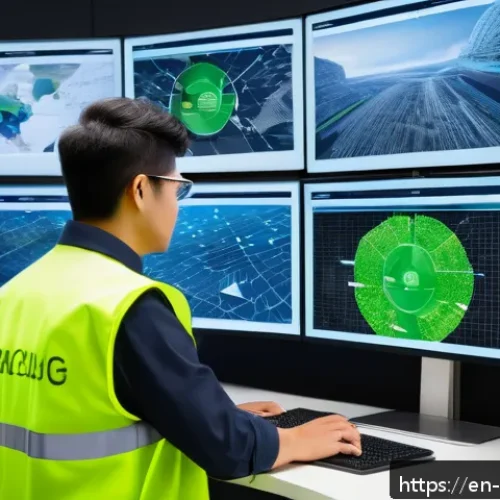
In today’s world, data is king, and waste management is no exception. Artificial intelligence (AI) and advanced data analytics are rapidly transforming how we optimize waste collection, sorting, and processing. Imagine fleets of garbage trucks equipped with sensors and GPS, feeding data into AI algorithms that predict optimal routes, reducing fuel consumption and emissions. This isn’t science fiction; it’s happening now. AI-powered optical sorters are dramatically improving the efficiency and accuracy of separating different materials in recycling facilities, far surpassing human capabilities and reducing contamination. Data analytics can help us understand waste generation patterns, forecast future volumes, and identify opportunities for waste reduction at the source. For example, by analyzing community waste audits, cities can pinpoint specific types of waste that are prevalent and tailor educational campaigns or policy initiatives accordingly. As a waste management engineer, being comfortable with data analysis, understanding how to interpret metrics, and even having a basic grasp of AI concepts will give you a significant edge. It allows you to move beyond reactive problem-solving to proactive, predictive management, making systems smarter, more efficient, and ultimately, more sustainable. It’s about harnessing the power of information to create truly intelligent waste management systems.
Building Your Professional Network and Reputation
Trust me, in any career, but especially in a field as interconnected as waste management, your network is your net worth. It’s not just about who you know; it’s about the relationships you build, the trust you cultivate, and the reputation you establish. I’ve found that some of my most valuable insights and opportunities have come from conversations at industry conferences, connecting with mentors, or collaborating on projects. These connections are more than just names in a contact list; they are sources of knowledge, potential collaborators, and even future employers or employees. Building a strong professional network isn’t something that happens overnight; it’s an ongoing process that requires genuine engagement, a willingness to learn, and an openness to share your own expertise. It’s about being visible, contributing to the industry dialogue, and demonstrating your commitment to the field. A solid reputation for being knowledgeable, reliable, and collaborative will open doors that technical skills alone might not. Remember, this industry, while large, is also quite tight-knit. Your professional demeanor and interactions today will certainly influence your opportunities tomorrow. It’s about becoming a recognized and respected voice in the community dedicated to sustainable waste management.
Engaging with Industry Associations
One of the absolute best ways to build your professional network and stay informed is by actively engaging with industry associations. Organizations like the Solid Waste Association of North America (SWANA) or the National Waste & Recycling Association (NWRA) in the US, or international bodies like the International Solid Waste Association (ISWA), offer a wealth of resources. I’ve personally found immense value in attending their conferences, workshops, and local chapter meetings. These events are fantastic for networking, as they bring together professionals from various sectors – municipal, private, consulting, and academic. You’ll hear about the latest industry trends, regulatory changes, and technological innovations directly from the experts. Beyond networking, these associations often provide continuing education credits, certification programs, and access to valuable publications and research. Becoming a member is an investment in your career, providing credibility and demonstrating your commitment to professional development. Don’t just show up; participate. Volunteer for committees, ask insightful questions, and be genuinely interested in what others are doing. This active engagement will not only broaden your knowledge but also significantly raise your professional profile within the waste management community, paving the way for future collaborations and opportunities.
Mentorship and Collaborative Learning
Never underestimate the power of mentorship and collaborative learning. Finding a mentor, someone who has walked the path you’re on and can offer guidance and insights, can be truly transformative. I was fortunate enough to have a couple of fantastic mentors early in my career who helped me navigate complex projects, understand office politics, and even prepare for career advancements. They provided perspectives that no textbook could offer, sharing their experiences, successes, and even their failures, which were often the most valuable lessons. Don’t be shy about seeking out experienced professionals you admire and respectfully asking if they’d be willing to share some time with you. Furthermore, collaborative learning, whether through study groups for your certification or participating in industry forums, can significantly enhance your understanding and problem-solving skills. When you discuss challenging concepts with peers, you often gain new perspectives and identify blind spots in your own understanding. It’s a reciprocal process where everyone benefits. These relationships foster a sense of community and support, which is invaluable in a demanding field. Remember, you don’t have to figure everything out on your own; leaning on the collective wisdom and experience of your network is a smart and effective way to accelerate your growth and success.
Monetizing Your Expertise: Financial Rewards in Green Careers
Let’s talk about the elephant in the room that often gets overlooked when discussing passion projects and environmental impact: the financial rewards. While many of us are drawn to waste management engineering for its positive impact, it’s also a highly lucrative and stable career path. With specialized skills and certifications, you’re not just making a difference; you’re also commanding a competitive salary and enjoying excellent job security. The demand for qualified professionals in this sector is consistently high, driven by population growth, increasing regulatory scrutiny, and the global push towards sustainability. This translates into strong earning potential, attractive benefits packages, and opportunities for rapid career advancement. I’ve seen my peers achieve significant financial milestones, allowing them to live comfortably, invest in their futures, and enjoy a fulfilling work-life balance. It’s truly a field where you don’t have to choose between doing good and doing well; you can achieve both. The return on investment for your education and certification is substantial, making it a smart strategic move for anyone looking for a rewarding and financially stable profession in the long term. This isn’t just about a paycheck; it’s about building a secure future for yourself while contributing to a better world.
Understanding Salary Expectations and Growth
When you enter the field of waste management engineering, you’re stepping into a profession with highly competitive salary expectations and robust growth potential. Entry-level positions, even with just a bachelor’s degree and your foundational certification, typically offer attractive starting salaries, especially in regions with a high demand for environmental professionals. As you gain experience, take on more complex projects, and earn advanced certifications or a master’s degree, your earning potential increases significantly. Senior engineers, project managers, and directors in this field can command six-figure salaries, particularly in consulting firms or large industrial operations. Geographical location also plays a role, with major metropolitan areas and regions with strong industrial bases often offering higher compensation. Furthermore, the specialized nature of your skills means you’re not easily replaceable; your expertise is a valuable asset. I’ve observed a steady upward trend in compensation within this sector over my career, reflecting the growing importance and complexity of waste management challenges. It’s a career where your dedication to continuous learning and professional development directly translates into tangible financial rewards, allowing you to build a comfortable and secure life for yourself and your family. The investment in your education truly pays dividends.
Maximizing Your Value in the Job Market
To truly maximize your value in the job market and accelerate your financial growth, it’s essential to strategically position yourself. Beyond your foundational certification, consider specializing in a high-demand niche. For example, expertise in hazardous waste management, circular economy consulting, or specific waste-to-energy technologies can make you an even more sought-after candidate. Continuously pursue professional development – attend advanced workshops, earn additional certifications, or even pursue a master’s degree in a specialized area. These additional credentials signal your commitment to excellence and expand your skill set. Also, don’t underestimate the power of soft skills: strong communication, leadership abilities, and project management expertise are highly valued by employers. Being able to articulate complex technical information clearly, lead a team effectively, and manage projects on time and within budget will significantly enhance your marketability. Regularly update your resume and LinkedIn profile, showcasing your accomplishments with quantifiable results wherever possible. For example, instead of just saying “managed waste,” say “optimized waste collection routes, reducing operational costs by 12%.” This data-driven approach demonstrates your impact and value. By proactively developing both your technical and soft skills, you can significantly enhance your earning potential and secure a leading role in this vital industry.
| Key Area of Expertise | Description and Importance | Relevant Skill Set |
|---|---|---|
| Solid Waste Management | Focuses on collection, treatment, and disposal of non-hazardous waste. Essential for municipal planning and resource recovery. | Landfill design, recycling systems, composting, waste-to-energy technologies, logistics. |
| Hazardous Waste Management | Deals with waste posing substantial threats to public health or the environment. Requires strict regulatory compliance. | Chemical properties, treatment processes (incineration, neutralization), secure disposal, regulatory compliance (RCRA). |
| Wastewater Treatment | Processes used to remove contaminants from wastewater to produce an effluent that is safe for discharge or reuse. | Fluid dynamics, microbiology, chemical engineering, biological and physical treatment systems, sludge management. |
| Air Quality Control | Management of emissions from waste treatment facilities to comply with air quality standards. | Combustion principles, emission control technologies (scrubbers, filters), atmospheric dispersion modeling. |
| Environmental Regulations & Policy | Understanding and applying local, national, and international laws governing waste management and environmental protection. | Legal interpretation, permitting processes, compliance auditing, environmental impact assessments (EIAs). |
| Circular Economy Principles | Designing out waste and pollution, keeping products and materials in use, and regenerating natural systems. | Life Cycle Assessment (LCA), resource recovery, industrial symbiosis, sustainable design, policy advocacy. |
Wrapping Things Up
Whew! We’ve covered a lot of ground today, haven’t we? From the nitty-gritty of certification exams to the exhilarating future of green careers, my hope is that this deep dive has armed you with not just information, but also a renewed sense of purpose and confidence. I’ve truly poured my own experiences and observations into this guide, aiming to give you that insider perspective that textbooks often miss. Remember, every accomplished engineer once stood exactly where you are now, facing a learning curve, and perhaps a touch of apprehension. But with the right strategy, unwavering dedication, and a genuine passion for making a difference, you’re not just capable of passing an exam; you’re poised to become a vital force in shaping a more sustainable world. This journey, while demanding, is incredibly rewarding, both personally and professionally. Keep that fire burning, stay curious, and never stop seeking opportunities to learn and grow. Your impact on the planet, and indeed on humanity, is waiting to be made.
Handy Tips You’ll Be Glad You Knew
From my own journey through this incredible field, I’ve picked up a few nuggets of wisdom that I genuinely wish someone had explicitly told me earlier. These aren’t just theoretical pointers; they’re battle-tested strategies that can smooth out your path and amplify your impact. Seriously, incorporating these into your approach will make a world of difference as you navigate the complexities of waste management engineering. It’s about working smarter, connecting deeper, and truly understanding the multifaceted nature of this essential profession. So, let’s dive into some practical advice that goes beyond the textbooks and into the heart of what makes a successful and impactful waste management engineer.
1. Prioritize Active Recall Over Passive Reading: Don’t just read your notes. Actively test yourself. Flashcards, self-quizzing, and trying to explain complex topics aloud are far more effective for long-term retention. I found that if I could teach it, I truly understood it. This isn’t about simply recognizing information; it’s about being able to retrieve and apply it under pressure.
2. Network Before You Need a Job: Seriously, start building relationships with industry professionals *now*. Attend webinars, join LinkedIn groups, and don’t be afraid to send a polite introductory message. These connections can offer invaluable insights, mentorship, and open doors to opportunities you might never find through traditional job boards. It’s about building a community around your passion.
3. Embrace Case Studies: Theoretical knowledge is crucial, but real-world case studies bridge the gap to practical application. Analyze how problems were solved, what regulations applied, and the outcomes. This helps develop your critical thinking and problem-solving skills, which are paramount in this field, trust me. It prepares you for the unexpected challenges you’ll face.
4. Understand the “Why” Behind the “What”: Don’t just memorize processes or regulations. Always ask *why* something is done a certain way. Understanding the underlying principles, environmental impacts, and safety reasons will make the information stick better and allow you to adapt to new situations. It’s about true comprehension, not just recitation.
5. Stay Curious About Emerging Tech: The waste management industry is constantly innovating. Keep an eye on new technologies like AI in sorting, advanced thermal treatments, or novel resource recovery methods. Being informed about these trends makes you a more valuable asset and keeps your skills future-proof. It shows you’re a forward-thinker, ready for what’s next.
Key Insights to Remember
If there’s one overarching message I want you to walk away with today, it’s that your journey into waste management engineering is not merely about accumulating facts, but about cultivating a holistic understanding, building a robust network, and consistently embracing innovation. This isn’t just a career; it’s a profound commitment to environmental stewardship and a vibrant, financially rewarding path where your expertise directly contributes to a healthier planet and more sustainable communities. The skills you’ll gain are not only specialized but also incredibly versatile and in high demand, ensuring a future-proof professional trajectory. Remember, every challenge you overcome, every concept you master, and every connection you forge brings you closer to becoming a true leader in shaping our collective green future. Keep pushing forward with passion and purpose!
Frequently Asked Questions (FAQ) 📖
Q: Why is Waste Management Engineering considered such a “future-proof” career right now?
A: Hey there! It’s an awesome question, and one I get a lot. From what I’ve personally seen and experienced in the field, “future-proof” isn’t just a buzzword here; it’s the absolute truth.
With the world waking up to the undeniable realities of climate change and resource scarcity, the pressure on industries and governments to manage waste effectively – and even turn it into a resource – is immense.
Companies are genuinely scrambling for professionals who don’t just understand the basics but can innovate sustainable solutions, design efficient recycling systems, and navigate complex environmental regulations.
It’s gone way beyond just collecting trash; we’re talking about circular economies, energy recovery, and cutting-edge material science. I mean, every single thing we use eventually becomes waste, right?
So, someone always needs to figure out what to do with it, and that someone is increasingly a skilled waste management engineer. It’s a field that’s constantly evolving, which makes it incredibly exciting and, yes, incredibly secure for the long haul.
Q: The intro mentioned certification exams can feel like “navigating a dense forest blindfolded.” What exactly makes them so challenging, and what’s your top tip for truly understanding the material?
A: Oh, you hit the nail right on the head with that one! I remember those days of feeling completely overwhelmed. What makes these certification exams tricky isn’t just the sheer volume of information – there’s a lot to cover, no doubt – but it’s also how they test your practical application of knowledge.
They’re not just looking for rote memorization. You might know all the regulations by heart, but can you apply them to a complex real-world scenario where you’re dealing with hazardous waste on a specific type of industrial site?
That’s where it gets tough. My personal ‘aha!’ moment came when I stopped trying to just cram facts and started focusing on understanding the underlying why and how.
Instead of just reading about a process, I’d try to visualize myself actually implementing it, troubleshooting potential issues. Engaging with case studies and thinking critically about different waste streams really helped the concepts click into place for me.
It transformed the dense forest into a navigable path, I promise!
Q: So, if I’m preparing for these exams, are practice questions really that much of a “game-changer,” or can I just stick with my textbooks and study guides?
A: I totally understand why you might think that! For years, I was the “textbook only” kind of student. But honestly, for these specific waste management engineering certifications, practice questions aren’t just helpful; they are an absolute game-changer.
I found out the hard way that knowing the content in theory is one thing, but being able to apply it under exam conditions is entirely another. Practice questions do so much more than just test your knowledge.
They train you to recognize the common pitfalls, understand the specific wording of the questions (which can be super tricky!), and manage your time effectively.
It’s like training for a marathon; you can read all the books about running technique, but until you actually hit the pavement and practice, you won’t build the stamina or muscle memory.
Regularly tackling those practice questions helped me pinpoint my weak areas, build confidence, and truly understand the exam’s rhythm. Trust me, it made a phenomenal difference in my scores and my overall peace of mind going into the actual test!